
Original briefings. Zero spin.
Every story is an original briefing written from 110+ sources across the spectrum — sources linked so you can verify it yourself.
 economy
Breaking / Critical (9/10)
Event date: August 28, 2026
economy
Breaking / Critical (9/10)
Event date: August 28, 2026
US Strikes Iranian Island, Iran Retaliates: Qatar Pushes New Talks as Tehran's Oil Exports Collapse 87%
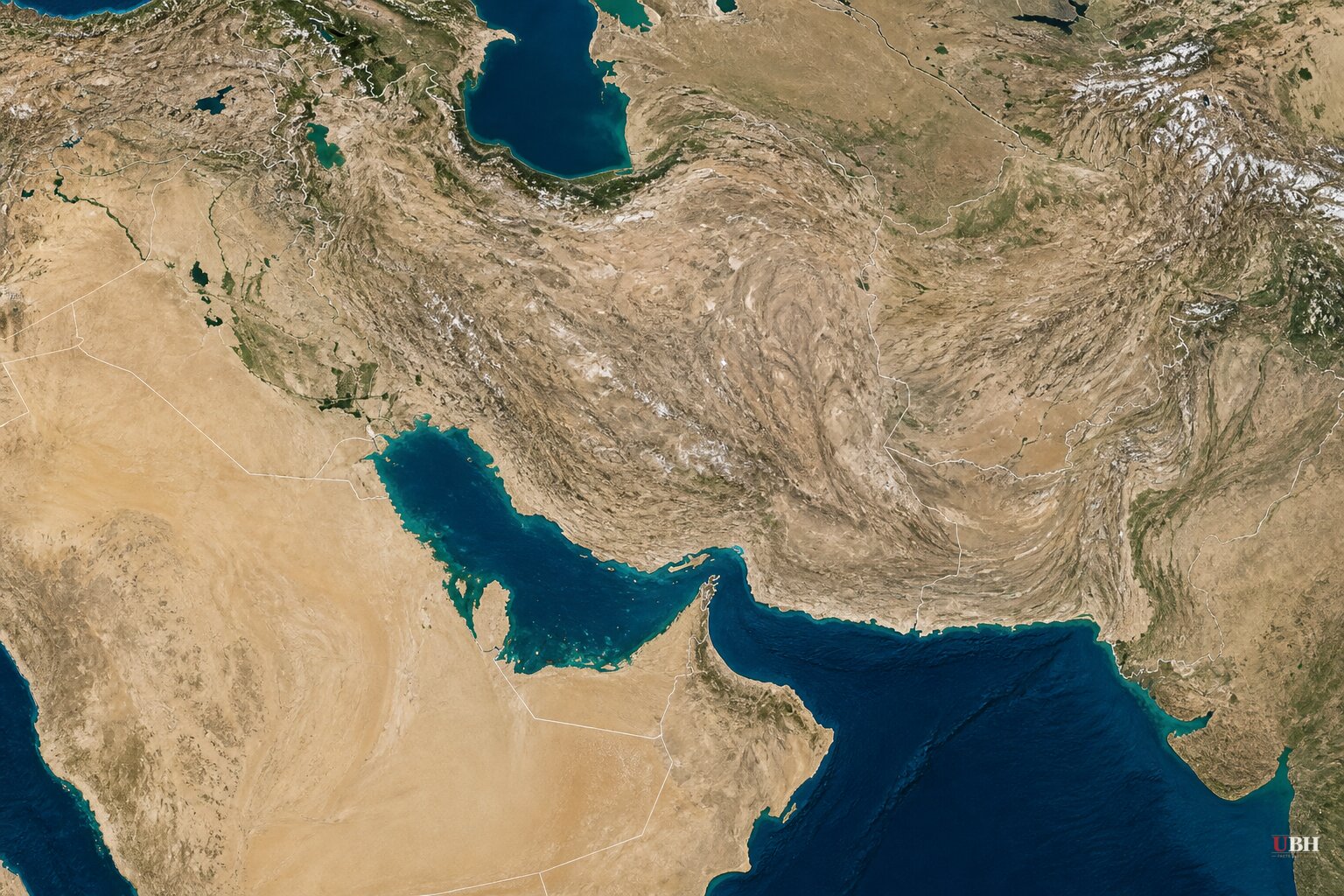
Since the US and Israel launched their war on Iran on February 28, and since Washington reinstated its naval blockade of Iranian ports on July 14, Iran's oil exports through the Strait of Hormuz have been strangled to a fraction of their prewar levels. That slow squeeze took a sharp turn over the weekend.
On Sunday, the US struck an Iranian island in the Strait of Hormuz, according to Al Arabiya. Iran retaliated quickly, hitting US military targets across the Middle East. Qatar's Foreign Ministry spokesman Majed Al-Ansari said the flare-up proved exactly what Doha had been warning about.
"We have said from day one that leaving the issue unresolved and trying to normalise the closure of the Strait would lead to escalation," Al-Ansari told reporters Tuesday, according to Al Arabiya. "This is precisely what we have witnessed over the past two days." He added, "We urge the parties to exercise wisdom and return to the negotiating path, and we continue to intensify our efforts with our mediation partners to ensure a return to that path."
A Corridor Deal in Jeopardy
The timing is brutal for diplomacy. Just days before the strikes, Iran and Oman had floated a temporary shipping arrangement to get commercial traffic moving again. Iranian Deputy Foreign Minister Kazem Gharibabadi told state television on August 25 that inbound vessels would transit through Iranian waters while outbound ships would split their route between Iranian and Omani waters, with a permanent plan targeted within 30 to 60 days, according to the Epoch Times. Two days later, an unidentified projectile struck a commercial tanker in the Strait, sparking a fire that was later contained with no injuries reported, the UK Maritime Trade Operations authority said.
Qatar is now working parallel tracks with Oman and Pakistan to keep that corridor idea alive, Al-Ansari said. Qatari Prime Minister Sheikh Mohammed bin Abdulrahman Al Thani traveled to Tehran last week specifically to press the mediation effort, according to Al Jazeera and Al Arabiya. Iranian President Masoud Pezeshkian said Tuesday that Tehran would "immediately" reciprocate if Washington returned to a June memorandum of understanding both sides had agreed to before the war reignited, Al Arabiya reported. Pakistan's prime minister has separately called that same MOU "the only way forward," per Al Arabiya.
The Export Numbers Behind the Pressure
Whatever happens diplomatically, the blockade's physical toll on Iran's economy is stark. Iranian crude loadings through Hormuz fell to between 220,000 and 255,000 barrels per day in August, down from roughly 740,000 bpd in July and nearly 2 million bpd back in March, according to shipping-tracking analysis published by Crypto Briefing. The five-month decline represents an 87% drop.
As of late August, 29 Iranian tankers were sitting inside the Strait holding roughly 36.11 million barrels of crude with nowhere to go, plus another 41.7 million barrels stuck in floating storage elsewhere. That's nearly 78 million barrels of oil, worth billions of dollars, parked at sea instead of generating revenue for Tehran. Kpler analyst Homayoun Falakshahi has said the cratering foreign-currency earnings are pushing Iran toward financing government operations through monetary expansion, a path that typically accelerates inflation.
Reporting on Iran's oil exports diverges on the numbers. Breitbart, citing CENTCOM and President Trump, has described Iranian oil exports as being "at zero" since mid-July. Crypto Briefing's shipping-data analysis shows a steep collapse but not a complete halt, with 220,000 to 255,000 bpd still moving in August. Both describe the same blockade; they simply measure its severity differently.
Military Claims and Legal Moves
Separately from the weekend flare-up, CENTCOM Commander Adm. Brad Cooper announced last week that US forces had cleared Iranian sea mines from the Strait's internationally recognized shipping lanes, calling it a "major milestone." Cooper said US forces have assisted nearly 1,500 commercial vessels transiting the strait, protecting shipments of almost 750 million barrels of crude. One US official told Axios, as cited by Breitbart, that "the Iranians have lost control over the strait. Now the U.S. controls it."
The Justice Department is separately preparing to reactivate maritime prize courts, a legal mechanism that would let the government formally claim seized Iranian tankers and sell their cargo, with proceeds going to the Treasury, according to a Bloomberg Law report cited by Fox News.
Trump has said Tehran is "begging to make a deal." Iran's own public position, through Pezeshkian, is conditional: reciprocate only if Washington returns first to the June MOU. Those are two different claims about who is prepared to move first, and neither government has offered evidence settling the question. Separately, Iran's Supreme National Security Council secretary Mohsen Rezaei dismissed as "a lie" an Iranian state television report alleging a plot against Barron Trump, which the Secret Service said it is investigating, according to Fox News.
The open question is whether the Iran-Oman corridor talks, with their 30-to-60-day timeline for a permanent arrangement, survive this weekend's exchange of strikes, or whether the Strait reverts to the standoff Qatar has spent months trying to prevent.
Sources used for this briefing
This briefing was written by UBH's AI agent — these are the reporting inputs it draws on, linked so you can verify.


