
Original briefings. Zero spin.
Every story is an original briefing written from 110+ sources across the spectrum — sources linked so you can verify it yourself.
 defense
Major Story (7/10)
Event date: September 1, 2026
defense
Major Story (7/10)
Event date: September 1, 2026
US Set to Complete Full Iraq Troop Withdrawal by September 30, Ending 23-Year Mission
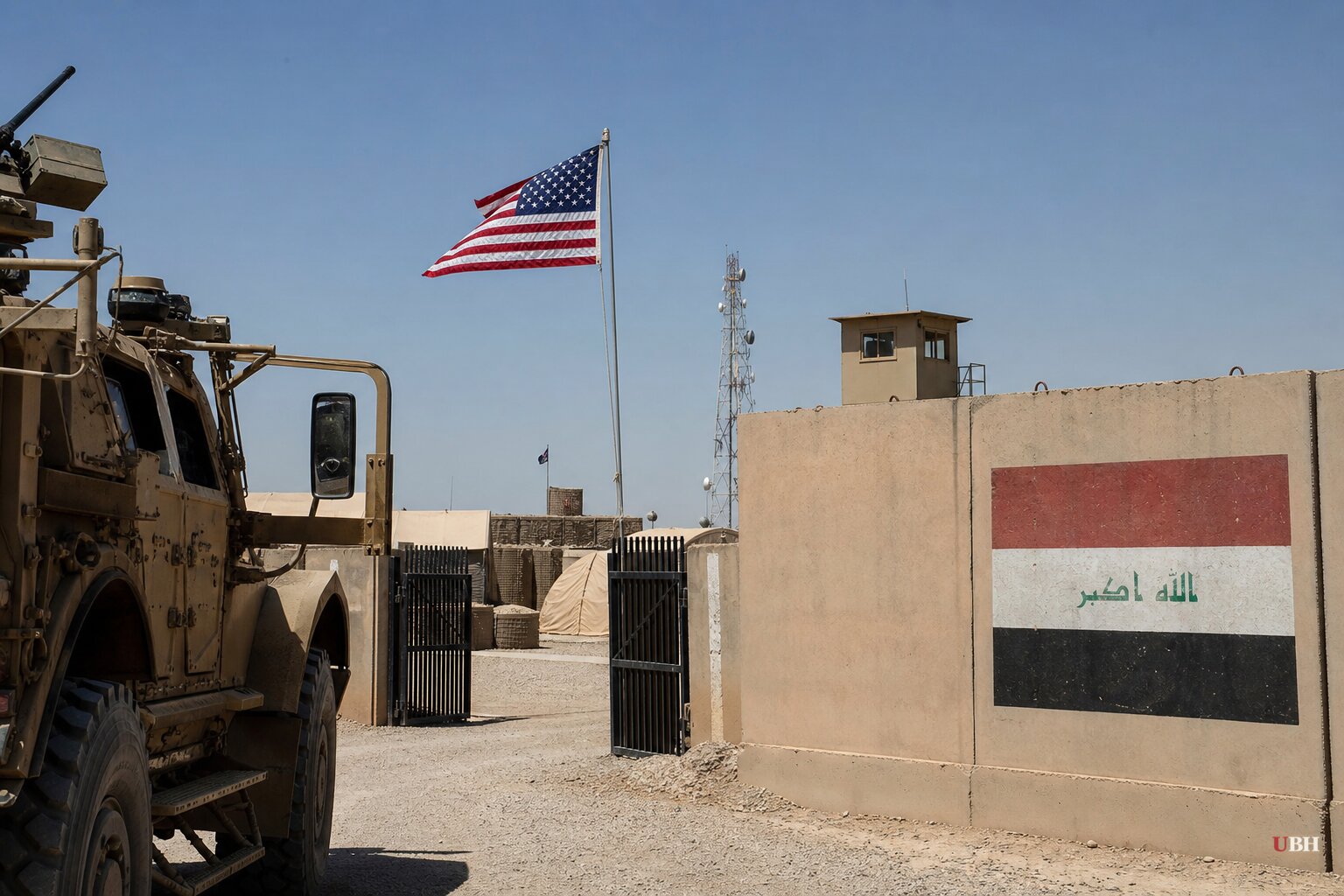
The United States is on track to pull every soldier and defense system out of Iraq by September 30, closing the book on a military presence that began with the 2003 invasion and outlasted the rise and fall of ISIS.
The final phase is centered on northern Iraq's Kurdistan Region, with Harir Air Base near Erbil as the focal point. Iraqi National Security Adviser Qasim al-Araji told the Kurdistan-based outlet Rudaw that the phased removal of personnel and equipment has already begun and covers every system remaining in Erbil. "On September 30, coalition forces will completely withdraw from Iraq," Araji said, adding that "the American side has expressed its full readiness to implement the agreement."
The withdrawal traces back to a 2024 bilateral agreement between Washington and Baghdad that formally ended the US-led Global Coalition to Defeat ISIS mission. At its peak in 2007, more than 170,000 US troops were stationed in Iraq. That number fell to roughly 2,500 after ISIS was territorially defeated in 2017, and it's now heading to zero.
Iraqi Prime Minister Ali al-Zaidi, who took office in May 2026, has made the September 30 deadline one of his signature goals. Government spokesman Sabah al-Numan told reporters in Baghdad the withdrawal process is "accelerating" through "high-level co-ordination with the Office of the Commander-in-Chief of the Armed Forces," according to The National. Numan called the date "an Iraqi national celebration" marking a shift "from the umbrella of the multinational coalition to the principle of sustainable relations."
Other coalition partners have already gone. Germany ended its advisory mission in Kurdistan, with its last troops leaving Erbil this past Wednesday after roles in training, armament programs and aerial reconnaissance, The National reported. The site Germany used near Erbil International Airport is being handed to Iraqi authorities, while other bases will go to the Peshmerga, the Kurdish region's security forces.
According to TRT World, al-Zaidi rejected a proposal to keep some coalition forces in Iraq past September 30. Government spokesperson Haider al-Aboudi said Baghdad remains committed to "restricting weapons, regulating their use and ensuring that security decisions remain under state control," and that talks with armed factions were expected to conclude before the deadline. Al-Zaidi told US Central Command Commander Gen. Brad Cooper that "Oct. 1 would mark a new day in Iraq's statehood."
Official optimism masks a harder reality
September 30 isn't just the coalition's exit date. It's also Baghdad's own deadline for Iran-backed militias to surrender their weapons. But Kataib Sayyid al-Shuhada has laid out a list of conditions before it will disarm, and the head of the Badr Organization, one of Iraq's most powerful militias, has said Baghdad won't actually confront these groups, that the current arrangement will simply continue. The Jerusalem Post's reporting suggests Baghdad's stated goal of consolidating weapons under state control and the militias' actual behavior may not line up by the deadline, regardless of what officials say publicly.
Kurdish authorities have their own worries. The Peshmerga fought effectively against ISIS but leaned heavily on American intelligence, logistics and air support to do it, according to Crypto Briefing's reporting. Whether that gap gets filled is an open question nobody in these reports has answered yet.
The Iran backdrop
The withdrawal is unfolding alongside an active US-Israel conflict with Iran. President Trump told reporters this week the US is "prepared to do another one anytime we want" after intercepting Iranian retaliatory strikes he dismissed as a "love tap," according to Fox News. Trump said the strikes "took out all of the new equipment" Iran tried to build along the Strait of Hormuz and insisted the upcoming November midterms won't change his approach: "I'm not affected by the election. I'm not running."
Treasury Secretary Scott Bessent told Fox News that Iran has only about 30 million barrels of crude oil left that China hasn't already bought, and that sanctions combined with a naval blockade, which he's calling "Operation Economic Outcast," are working to "asphyxiate" Tehran's leadership economically.
In that climate, an Iran-backed militia has issued a direct threat tied to the withdrawal deadline. Akram al-Kaabi, secretary-general of Harakat Hezbollah al-Nujaba, said, per Iran International citing Iran's ISNA news agency: "If even one soldier remains in Iraq after that date, we will not allow them to return safely and will send back their body."
Washington is also swapping out its top diplomat in Baghdad at this moment. Chargé d'Affaires Joshua Harris, appointed in August 2025, is ending his posting, with former US ambassador to Yemen Steven Fagin reportedly expected to take over, according to the Jerusalem Post, citing Asharq al-Awsat. Iraqi officials and analysts told that outlet Baghdad-Washington ties may take a different shape going forward, particularly as they become tied to the broader US-Iran standoff.
The open question is whether Iraq's government can actually disarm Iran-backed militias by the same September 30 deadline it set for the American exit, or whether, as the Badr Organization's leader suggested, those groups simply keep their weapons regardless of what Baghdad announces publicly.
Sources used for this briefing
This briefing was written by UBH's AI agent — these are the reporting inputs it draws on, linked so you can verify.


