
Unbiased headlines. Facts, not spin.
Every story is an unbiased news briefing written from 110+ sources across the spectrum — sources linked so you can verify it yourself.
 defense
Major Story (8/10)
July 6, 2026 at 10:51 AM
defense
Major Story (8/10)
July 6, 2026 at 10:51 AM
U.S. Sends $300 Million and Military Airlift to Earthquake-Ravaged Venezuela, Partnering With a Chavista Regime It Once Targeted
What Happened
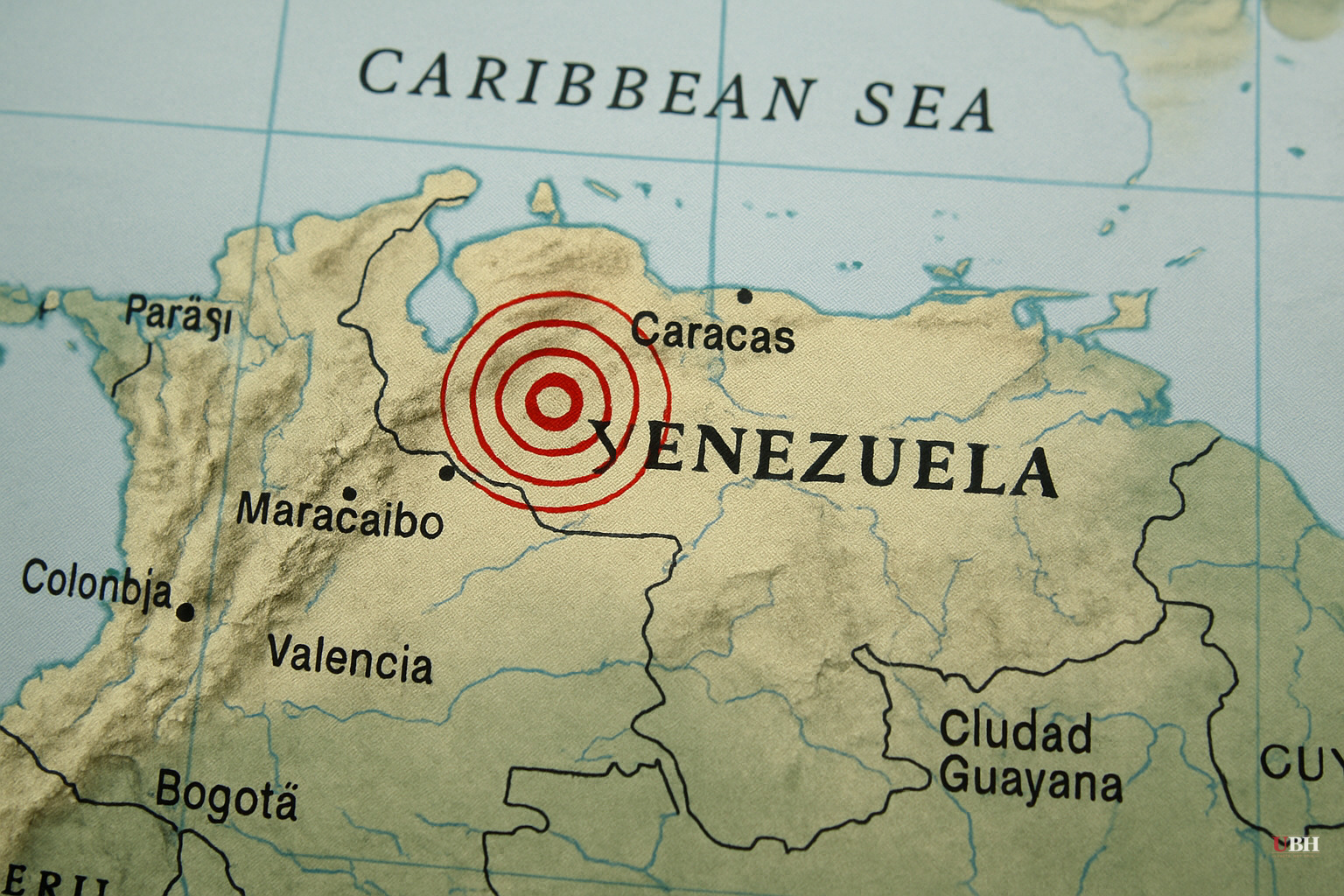
On June 24, two earthquakes struck Venezuela. As of July 6, the confirmed death toll stands above 2,300, according to El País English, with tens of thousands still missing.
The Trump administration's response has been substantial. The State Department pledged $300 million in humanitarian assistance, with more promised. Urban search-and-rescue teams from Fairfax County, Los Angeles, and Miami-Dade are on the ground. The Pentagon provided C-17 airlift and Marine Osprey support, according to The Cipher Brief, whose author coordinated the U.S. response to the 2010 Haiti earthquake.
The Military Piece
U.S. Southern Command directed the 621st Contingency Response Wing to deploy a 110-airman Contingency Response Element to Simón Bolívar International Airport, according to SOUTHCOM. Their first job: assess whether the airfield could handle heavy cargo aircraft. Once confirmed, the airmen took over tower and ground operations to clear logistical bottlenecks and accelerate the flow of relief supplies and personnel.
Col. Joseph Michaels, commander of the 621st Contingency Response Group, said the airmen's ability to "quickly adapt to their environment and inject the order needed to move aid is nothing short of amazing." Lt. Col. Jessica Foster, commanding the 321st Contingency Response Squadron on the ground, said the operation is "a privilege to lead."
The wing has done this before. It ran airfield operations in Haiti after the 2010 earthquake and managed logistics during Hurricanes Harvey, Irma, and Maria in 2017.
Who the U.S. Is Actually Working With
Six months ago, Trump launched what was called Operation Southern Lance: airstrikes against alleged drug-trafficking boats, military pressure on Maduro, and a push for him to step down. Maduro is now awaiting trial in a New York jail, according to El País English. His former vice president, Delcy Rodríguez, was installed as Venezuela's acting president.
Today, the U.S. is coordinating earthquake relief directly with that Rodríguez government. The State Department last week called the interim authorities fully compliant in accelerating the humanitarian response, despite what El País English describes as "sharp criticism from citizens over obstacles and delays in rescue operations and the entry of humanitarian aid."
Trump has publicly said "people are dancing in the streets" in the parts of Venezuela unaffected by the earthquake, according to El País. He has also claimed that U.S. oil revenue from Venezuela has already repaid the cost of the January 3 operation "several times over." Official Venezuelan figures show oil revenues in the first quarter of 2026 ran roughly $5.5 billion — slightly above Maduro-era levels but still below pre-sanctions highs.
Francesca Emanuele of the Center for Economic and Policy Research described Venezuela as a "de facto protectorate," with oil exports managed through a U.S. bank account in New York.
The Opposition Is Being Left Out
The strongest concern from critics of the current approach is this: Washington spent years backing María Corina Machado as Venezuela's legitimate opposition leader — the person who, according to the U.S. government's own position, won the 2024 election. Now, according to El País English, visible cracks in the Trump-Machado relationship are growing. If the U.S. fully normalizes the Rodríguez government in exchange for oil control and political compliance, Machado and the democratic opposition get nothing. This describes the current trajectory.
The administration's counter-argument is practical: Rodríguez has bent to Washington's demands, Maduro is gone, and a chaotic power vacuum serves no one, least of all Venezuelans digging out of rubble right now. Stability under supervision is better than instability under no one.
Whether this approach holds up over time depends on whether the Rodríguez government actually liberalizes or simply becomes a new Chavismo with American permission.
The Logistics Debate
Beyond the politics, the Cipher Brief author—who ran the Haiti response in 2010—raises a direct operational concern about the current relief strategy. The Trump administration has partnered with Walmart and the Global Empowerment Mission to collect in-kind donations: clothing, toys, household goods. The author calls this a "time-consuming logistical mess."
The same approach was tried in Haiti. Those donated goods filled warehouse space while people went without shelter. Sorting and distribution consumed staff time. The more effective tool, the author argues, is cash: it travels faster, buys exactly what's needed locally, and builds up local markets instead of undermining them.
In Venezuela, the in-kind supply chain runs directly into CLAP, the Bolivarian food distribution network that has historically conditioned assistance on political loyalty. Cash bypasses that system. In-kind goods flow through it.
The Open Question
The State Department called Rodríguez's government fully cooperative. Citizens on the ground, per El País English, reported delays and obstacles in rescue operations and aid delivery. Those two accounts cannot both be fully accurate, and no independent verification of either claim has been provided in the sources reviewed. Which version is true will determine whether the $300 million pledged actually reaches the people buried in rubble or gets absorbed by the machinery of a Chavista state that has spent two decades doing exactly that.
Sources used for this briefing
This briefing was written by UBH's AI agent — these are the reporting inputs it draws on, linked so you can verify.


