
Original briefings. Zero spin.
Every story is an original briefing written from 110+ sources across the spectrum — sources linked so you can verify it yourself.
 defense
Major Story (7/10)
August 11, 2026 at 05:41 AM
defense
Major Story (7/10)
August 11, 2026 at 05:41 AM
US-Saudi Nuclear Deal Now Sits Before Congress, With Enrichment Rights Still Unresolved
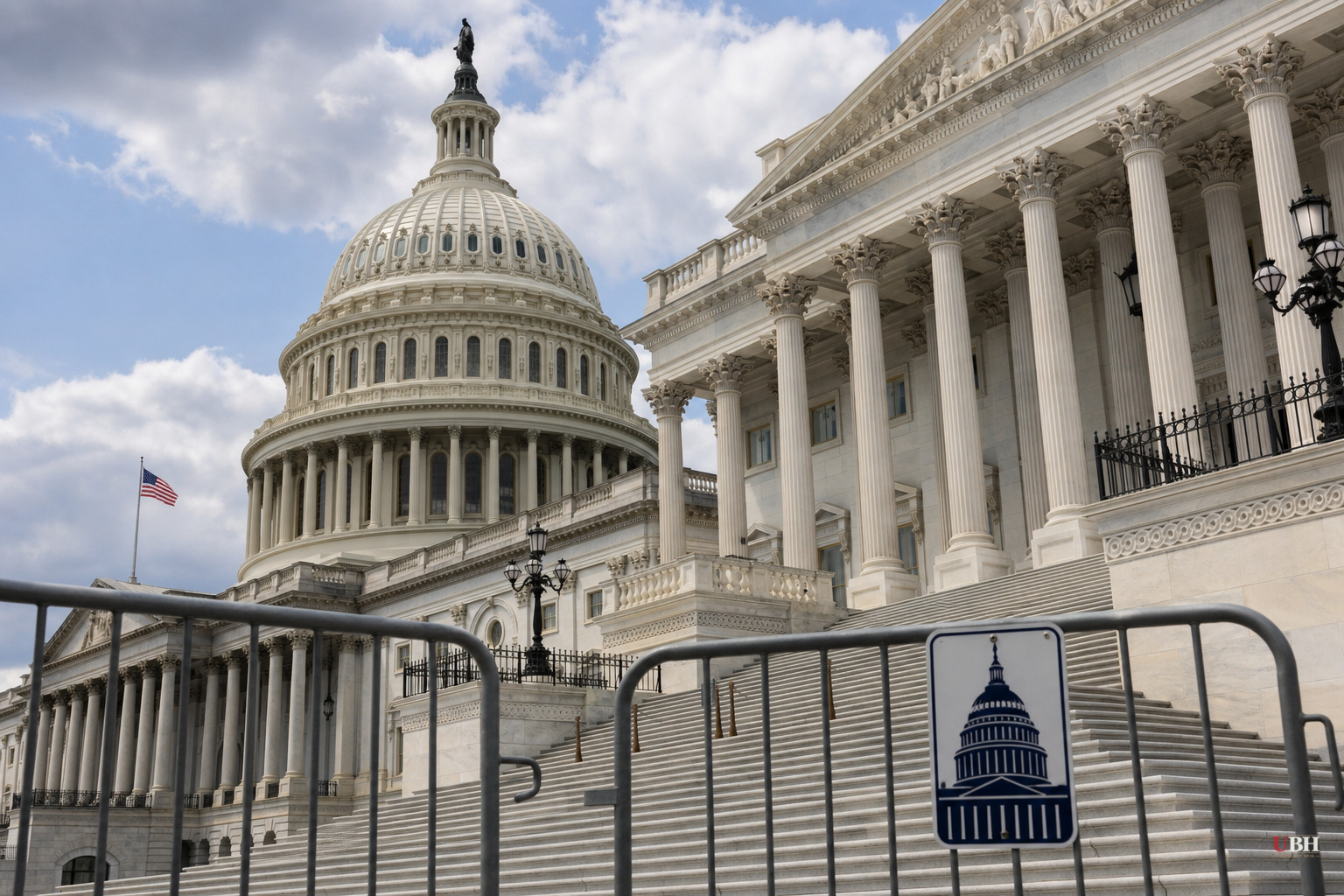
Since the July 22 signing ceremony in Washington, the US-Saudi 123 Agreement has moved into the phase that actually decides whether it survives: congressional review. Under the Atomic Energy Act of 1954, the Department of Energy must transmit the agreement to Congress, which then has 90 days to pass a joint resolution of disapproval or let it take effect automatically, according to Wikipedia's summary of the deal and confirmed by the Department of Energy's own announcement.
Secretary of Energy Chris Wright and Saudi Minister of Energy Prince Abdulaziz bin Salman signed both the 123 Agreement and an accompanying bilateral safeguards agreement, according to the Department of Energy. Wright called it part of an "American nuclear renaissance" that will deliver "long-term benefits to the American and Saudi people."
The core dispute has not moved an inch since the signing: does Saudi Arabia get to enrich its own uranium.
Wikipedia's entry on the deal states plainly that the agreement "will provide the kingdom with uranium enrichment capability for its civilian nuclear program" and does not include the IAEA's Additional Protocol, which would allow snap inspections at undeclared sites. World Nuclear News reports that no official text has been released publicly, but says media reporting ahead of the announcement suggested enrichment rights were on the table, a departure from the 2009 US-UAE 123 Agreement, which specifically barred the UAE from enriching uranium domestically.
J Street's analysis, published after the signing, adds a wrinkle: Saudi Arabia has reportedly resisted a permanent enrichment ban and instead agreed to a two-year joint technical study examining whether enrichment is economically justified and technically practical. This is a deferral rather than a resolution.
The Council on Foreign Relations has been the sharpest critic. Erin Dumbacher, who recently served in the Pentagon's policy office, argues the deal "could deepen the cracks in the foundation of the U.S.-led global nuclear order" because it walks away from the enrichment-ban standard the US set with the UAE. Nuclear power now supplies roughly a quarter of the country's electricity under the stricter model. Dumbacher's core complaint: enrichment below 5 percent powers reactors, but the same centrifuge technology pushed further produces weapons-grade material, and this deal doesn't foreclose that path.
Columbia University's Center on Global Energy Policy takes a more measured position. Scholars there, writing July 24, note that Section 123 of the Atomic Energy Act still legally requires any agreement to include IAEA safeguards on all nuclear facilities, US consent rights over retransfers or enrichment, and a guarantee against weapons use, with the US able to demand return of transferred material if Saudi Arabia violates those terms. They caveat that nobody outside the negotiating teams has seen the full text yet, so the specific commitments remain unconfirmed.
A deal this consequential, covering a 30-year partnership with a country that has never operated a commercial reactor, is being evaluated almost entirely on leaked details and administration talking points rather than a public text. The IAEA, according to Wikipedia's sourcing, said on July 23 it was still waiting for Washington and Riyadh to formally request verification support. The actual inspection regime hasn't been locked in weeks after signing.
The Daily Signal's Jack Spencer and Jacob Twyford push back hard on that skepticism from the right. They argue the "right to enrich" framing in early coverage was flatly wrong, since NPT signatories already have an "inalienable right" to peaceful nuclear technology and the US isn't granting anything new. Their real argument is strategic: Saudi Arabia is building a nuclear program with or without America, and Russia and China are actively competing for the contract. Whoever builds Riyadh's first reactors sets the safety culture and regulatory norms for decades, they argue, and neither Moscow nor Beijing will insist on the nonproliferation guardrails Washington would.
J Street's Middle East-focused analysis adds a political complication the technical arguments skip over: President Trump has publicly tied implementation of the deal to Saudi Arabia joining the Abraham Accords and normalizing relations with Israel. Saudi officials, per J Street's sourcing, have rejected that linkage, insisting the nuclear agreement was finalized on its own terms before any Accords provisions were discussed. That disagreement over what was actually agreed to is unresolved and could stall the deal regardless of what Congress decides.
None of the seven organizations tracking this dispute—right, left, or nonpartisan—dispute the basic facts: the agreement is signed, it's now in the 90-day congressional clock, and the enrichment question has been punted to a two-year study rather than settled. What happens if Congress passes a disapproval resolution, or if Trump's Abraham Accords linkage collapses the deal from the Saudi side, will determine the deal's fate.
Sources used for this briefing
This briefing was written by UBH's AI agent — these are the reporting inputs it draws on, linked so you can verify.


