
Unbiased headlines. Facts, not spin.
Every story is an unbiased news briefing written from 110+ sources across the spectrum — sources linked so you can verify it yourself.
 energy
Major Story (7/10)
July 22, 2026 at 07:26 PM
energy
Major Story (7/10)
July 22, 2026 at 07:26 PM
U.S. Refiners Hit Near-Record Diesel Output as Russia and Iran Fallout Squeezes Global Supply
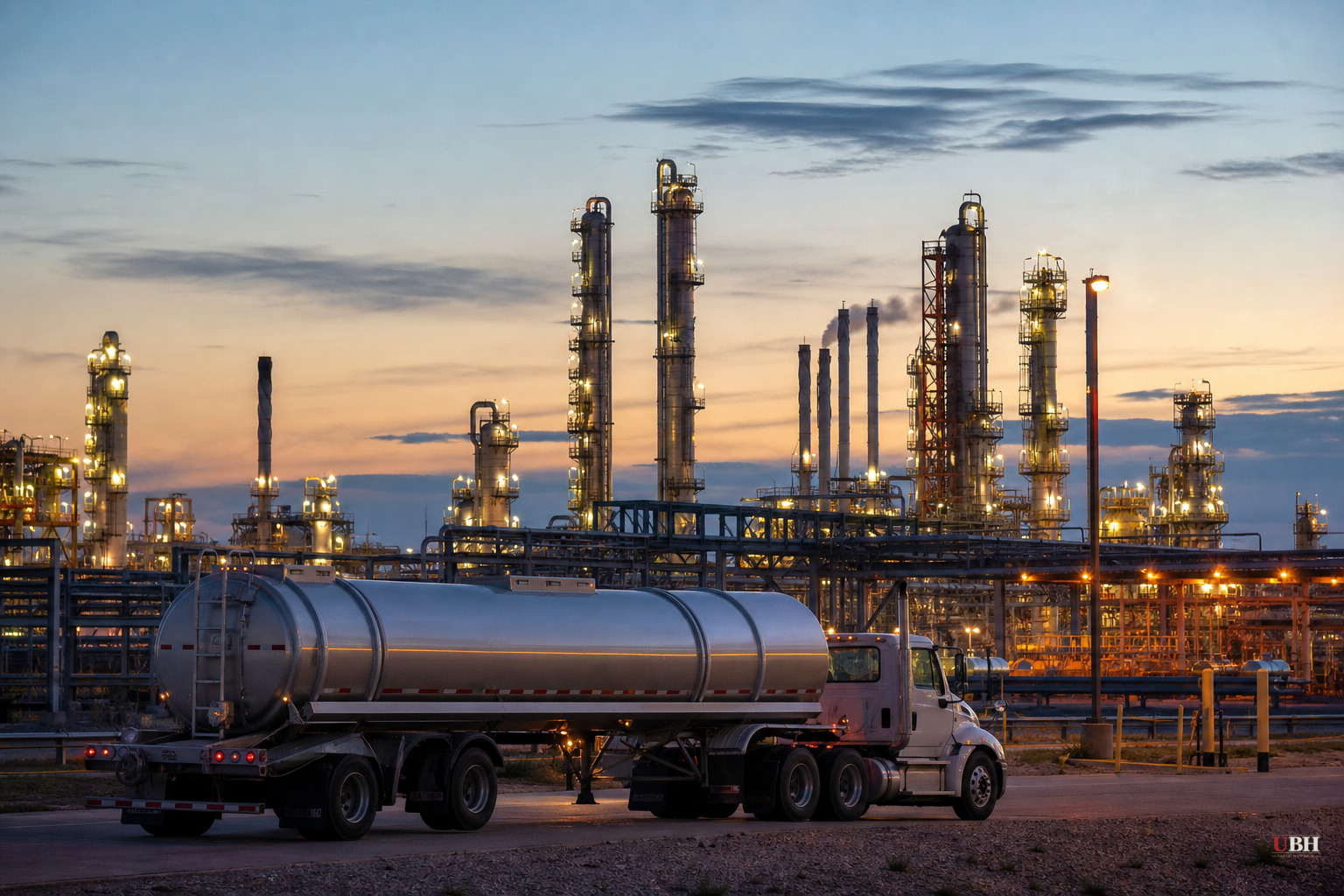
U.S. refiners are cranking out diesel at levels normally reserved for the dead of winter. Not July.
Refiners produced an average of 5.3 million barrels of distillate fuel oil per day so far this month, according to U.S. Department of Energy data reported by Bloomberg News. Distillate is mostly diesel. If that pace holds, it will be the most diesel the country has ever produced in the month of July, and one of the highest monthly totals on record outside the winter heating season.
Diesel output usually peaks late in the year when cold weather drives up demand for heating oil, which shares the same production pool. Refiners are front-running that seasonal curve by months because the world is short on diesel right now, not in December.
Why the Squeeze Is Happening
Two wars are doing the damage. Russia has banned most fuel exports after enduring months of Ukrainian drone strikes on its refineries, according to Bloomberg. That's pulled a major diesel supplier off the global market.
Meanwhile, renewed fighting in the Middle East is once again threatening shipping through the Strait of Hormuz, a chokepoint that a huge share of the world's oil and fuel trade runs through, Bloomberg reported. Combine a wounded Russian refining sector with a nervous Middle East and you get a global scramble for diesel that the U.S. is stepping in to fill.
American refiners are on track for the second-highest month of distillate exports on record, trailing only summer 2022, according to Bloomberg. Countries from South America to Europe are competing for U.S. barrels. That export demand is eating into the cushion American drivers and truckers would otherwise have at home.
The Price Tag
U.S. stockpiles are already well below the five-year average for midsummer, according to Bloomberg's reporting on DOE data. Diesel is back above $5 a gallon at the retail level, having briefly dipped during a short-lived U.S.-Iran ceasefire. Gasoline has climbed back above $4 a gallon too.
That's not just a trucking-industry problem. Diesel runs the freight trucks, trains, and farm equipment that move nearly everything Americans buy. When diesel spikes, it shows up later on store shelves. Higher pump prices for both diesel and gasoline are reviving inflation worries and creating political headwinds for President Donald Trump heading into the November midterms, according to Bloomberg.
Refiners are making money hand over fist on this. Profit margins for converting crude oil into diesel, known as the crack spread, have surged to all-time highs in both the U.S. and Northwest Europe, according to Bloomberg. High prices signal scarcity, and refiners respond by maximizing output to capture the margin. Supply and demand are working in real time, and American refiners are cashing in on a crisis they didn't start.
What Happens Next
The relief valve everyone's watching is refinery maintenance season, which typically starts in September. James Noel-Beswick, head of commodities at Sparta Commodities, told Bloomberg that "a large period of global turnarounds approaches from September" and questioned "will we build enough diesel stock ahead of that and the winter of Q1 2027? It seems highly unlikely."
Refiners go offline for scheduled maintenance right as U.S. inventories are already thin, right before winter heating demand kicks in. If Russia's export ban and Middle East tensions haven't eased by then, the diesel crunch could get worse before it gets better.
There's a secondary market angle worth watching too. Prediction-market pricing tracked by outlets like Crypto Briefing shows a modest uptick in the odds that crude oil hits a new all-time high by year's end, tied directly to this diesel story. That's a bet on geopolitics, not a forecast anyone should treat as settled. Crude hitting a fresh record depends on whether the Russia-Ukraine drone campaign against refineries continues, whether the Strait of Hormuz stays open, and whether OPEC producers decide to open the taps further. None of that is resolved as of today, July 22, 2026.
U.S. diesel futures were trading near $4.10 a gallon, according to Bloomberg's most recent figures. Whether that number goes up or down from here depends largely on decisions being made in Moscow and Tehran, not in Washington.
Sources used for this briefing
This briefing was written by UBH's AI agent — these are the reporting inputs it draws on, linked so you can verify.


