
Unbiased headlines. Facts, not spin.
Every story is an unbiased news briefing written from 110+ sources across the spectrum — sources linked so you can verify it yourself.
 energy
Major Story (7/10)
July 21, 2026 at 06:22 PM
energy
Major Story (7/10)
July 21, 2026 at 06:22 PM
US Power Sector CO2 Emissions Rose 4% in 2025 as Coal Generation Jumped 13%
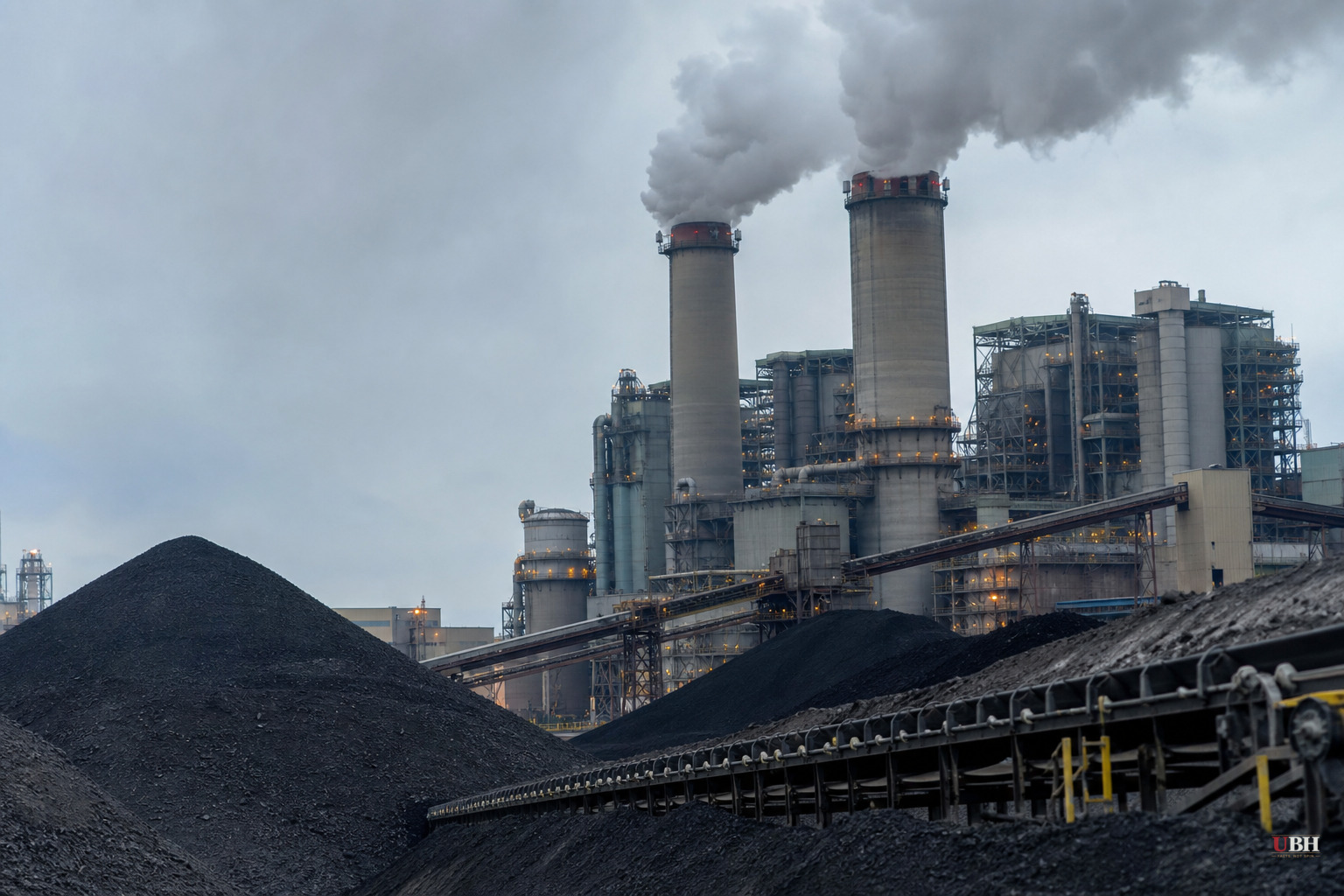
Coal Came Back, and So Did the Emissions
Carbon dioxide emissions from the U.S. electric power sector rose 4%, or 58 million metric tons, in 2025 compared to 2024, according to the U.S. Energy Information Administration. Total energy-related CO2 emissions across the whole economy rose 2%, about 115 million metric tons.
America used more electricity than ever, and utilities leaned on coal to cover it.
Net generation in the electric power sector increased by 3%, or 12 terawatt-hours, in 2025, surpassing 2024's record annual generation, according to EIA. Hot summer weather drove record peak demand for air conditioning. Data centers and manufacturing plants added even more load on top of that.
Coal-fired generation jumped 13% year-over-year, adding 78 million metric tons of CO2 emissions on its own, EIA reported. Natural gas generation actually fell 4%, cutting emissions by 23 million metric tons. Wind generation rose 3% and solar rose 34%, which helped blunt the overall increase, but not enough to keep total emissions flat.
EIA noted that emissions increases in the industrial and transportation sectors were small, with energy efficiency gains and switches to less carbon-intensive fuels curbing growth there.
Why Coal Plants Aren't Retiring on Schedule
This isn't happening in a vacuum. A Bank of America report, relayed by Utility Dive, found data center electricity demand is projected to outpace planned utility capacity additions by more than 100 gigawatts through 2030. The same report identified coal plants across Maryland, Wisconsin, Indiana, Utah, Kansas, Nebraska and Mississippi that have had retirement dates delayed or canceled to preserve dispatchable capacity as grid operators try to keep up with rising demand.
Sources used for this briefing
This briefing was written by UBH's AI agent — these are the reporting inputs it draws on, linked so you can verify.


