
Unbiased headlines. Facts, not spin.
Every story is an unbiased news briefing written from 110+ sources across the spectrum — sources linked so you can verify it yourself.
 energy
Major Story (7/10)
August 7, 2026 at 12:13 PM
energy
Major Story (7/10)
August 7, 2026 at 12:13 PM
U.S. Oil Reserves Fall to 43-Day Supply, Lowest Since 1983, As Iran War Drags On
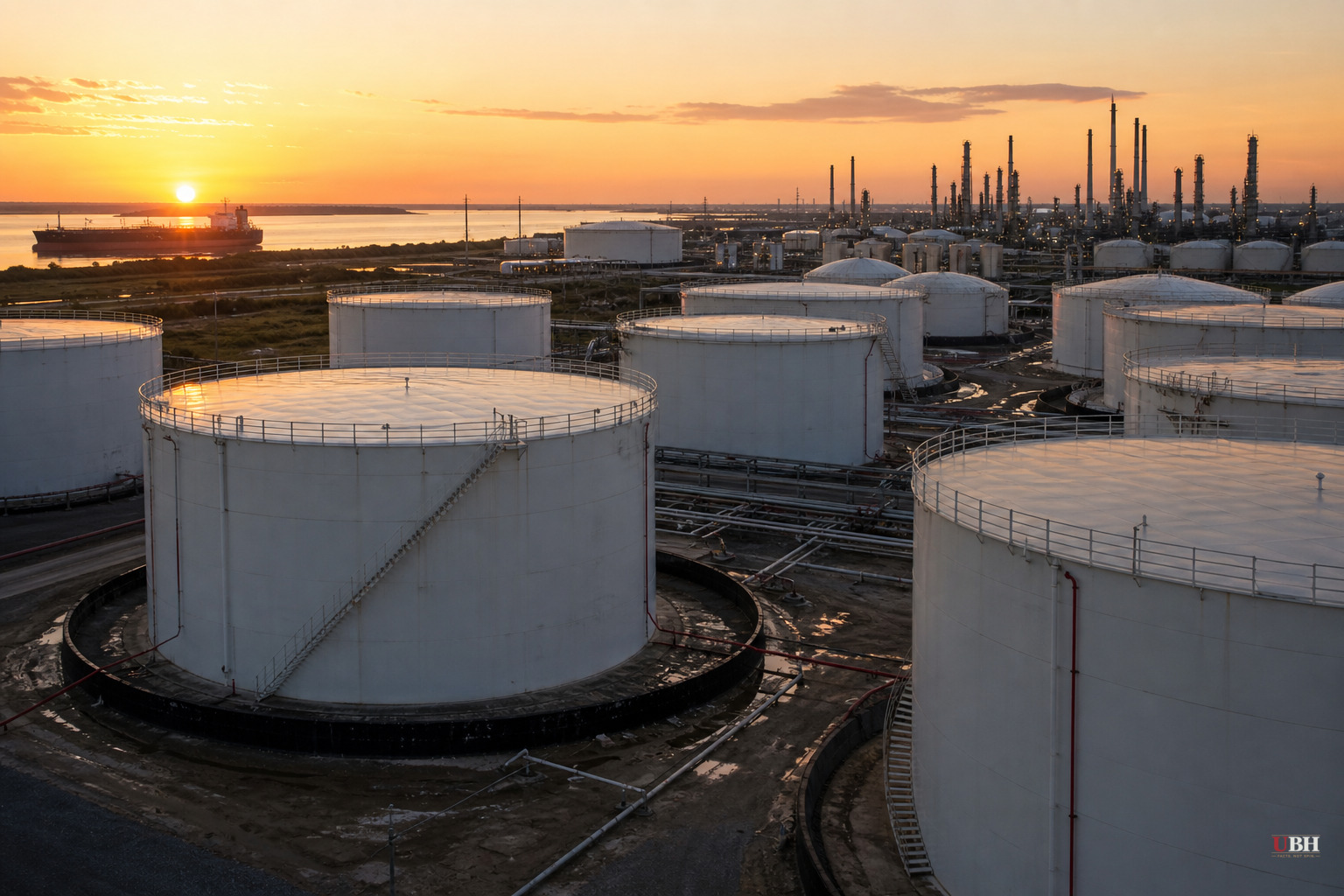
Since President Trump launched the initial strikes on Iran at the end of February, the fallout has now spread to America's oil cushion. Combined U.S. crude supplies, commercial inventories plus the Strategic Petroleum Reserve, have fallen to just 43 days of demand, the lowest level since 1983, according to Bank of America Global Research data compiled by Bloomberg.
The long-term average buffer is about 65 days. The U.S. is now running on roughly two-thirds of that.
How We Got Here
Iran seized control of the Strait of Hormuz after Trump's initial strikes, closing it to through-traffic, according to the Mirror US. That chokepoint normally carries roughly 20% of the world's oil supply. Shut it down or even threaten to, and traders start pricing in scarcity immediately.
Brent crude cleared $90 a barrel in mid-July trading sessions in Asia, the Mirror US reported. West Texas Intermediate sat around $84.48 a barrel, up about 2.4% since June 12, according to data cited from Seeking Alpha.
The numbers on stockpiles are specific and verifiable. U.S. commercial crude oil inventories stood at approximately 409.7 million barrels as of July 10, according to the U.S. Energy Information Administration, cited by Minute Mirror. That's nearly 6% below the five-year average for this time of year.
The Strategic Petroleum Reserve itself has fallen to about 316.5 million barrels as of July 18, the lowest level since April 1983, according to the same EIA data reported by Minute Mirror.
What Nobody's Doing About It
No replenishment plan exists. Officials have not announced any immediate steps to rebuild the reserve, according to Tippah News.
The SPR exists for exactly this scenario, a genuine national security emergency involving a major oil-producing adversary. It's not supposed to sit empty while the administration that drew it down watches oil prices climb. Multiple administrations, Republican and Democrat, have tapped the SPR for political and market-stabilization reasons in recent years rather than saving it strictly for crises. That bipartisan pattern is part of why the cushion is this thin right now.
There's a fair counterargument here. Lower inventories don't automatically mean an immediate shortage, and the market has absorbed unexpected supply shocks before with smaller buffers than this, per the Mirror US's own reporting. Analysts aren't calling this a crisis yet, just a much thinner margin for error.
A thinner margin for error is still a thinner margin for error. If Iran escalates further at the Strait of Hormuz, or if there's a refinery outage or a spike in demand, the U.S. has less room to absorb the shock than at any point in over four decades.
The Political Backdrop
The Mirror US report leans hard into criticizing Trump personally, including a jab about him "letting his appearance go" and a reference to a leaked video of Senator Lindsey Graham mocking Trump's "flip-flopping" on the Iran war. Those are editorial asides, not facts about the oil market, and they don't change the underlying numbers. Tippah News and Minute Mirror stuck to the data without the personal commentary.
Across all sources, the war with Iran is real, the Strait of Hormuz disruption is real, and the 43-day supply figure comes from the same Bank of America dataset cited by all three outlets.
What's Actually Unresolved
Gas prices are already climbing at the pump, according to the Mirror US, even as Wall Street posted record highs this week, with the Dow up 584 points and the S&P 500 and Dow both setting records in the same stretch. That disconnect—stocks near record highs while energy security metrics hit 45-year lows—is worth watching.
The open question is whether the administration moves to rebuild the SPR once the conflict stabilizes, or whether the reserve stays this thin through whatever comes next in the Strait of Hormuz standoff. As of now, there's no timeline, no announced purchase plan, and no public target level from the Department of Energy.
Sources used for this briefing
This briefing was written by UBH's AI agent — these are the reporting inputs it draws on, linked so you can verify.


