
Unbiased headlines. Facts, not spin.
Every story is an unbiased news briefing written from 110+ sources across the spectrum — sources linked so you can verify it yourself.
 defense
Major Story (7/10)
July 2, 2026 at 10:57 PM
defense
Major Story (7/10)
July 2, 2026 at 10:57 PM
US Officials Suspected Israel Was Planning to Kill Iran's Lead Negotiators During Spring Peace Talks
What the New York Times Reported
The Trump administration suspected Israel was plotting to kill two of Iran's senior negotiators during sensitive peace talks this spring, The New York Times reported Thursday, citing current and former American officials.
The two men in question: Iranian Foreign Minister Abbas Araghchi and Parliament Speaker Mohammad Bagher Ghalibaf. Both played central roles in ceasefire and interim peace negotiations with the United States.
American officials believed that killing either man once serious diplomacy began in April would have collapsed the talks entirely and reignited full-scale conflict, according to the Times report.
How Far Washington Went
The concern was serious enough that the Trump administration took an unusual step: it asked other countries in the region to warn Tehran that the two officials might be targeted, according to the Times.
Iranian officials, for their part, reportedly sought U.S. guarantees — delivered through Pakistani and Qatari intermediaries — that Israel would not strike their negotiating team during diplomatic meetings.
A U.S. official told the Times that talks between American and Iranian delegations are continuing and that President Trump wants the peace process "to play out."
The Incident Over Iranian Airspace
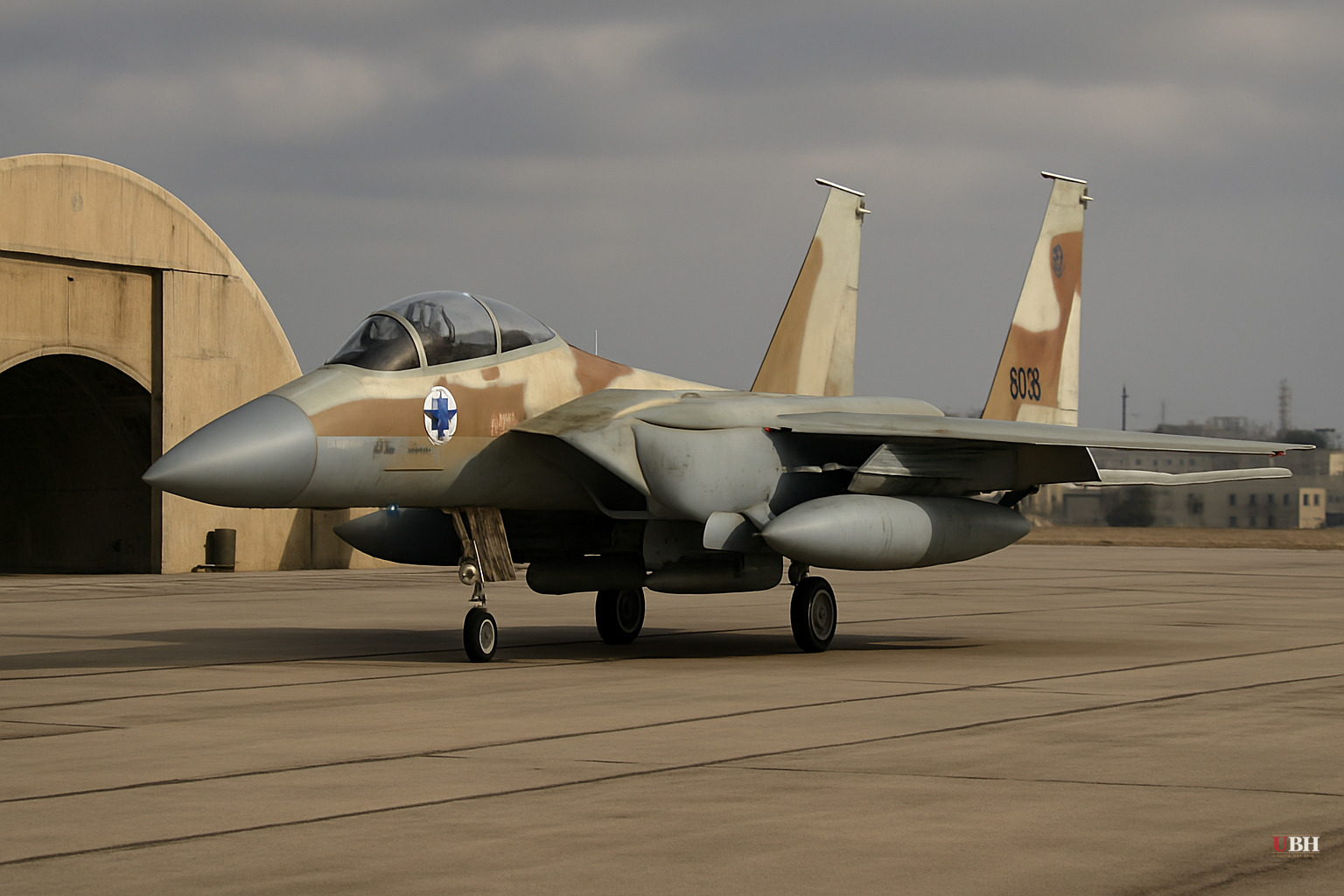
The threat was not purely theoretical. According to the Times, Ghalibaf's return flight from Islamabad, where he had met with Vice President JD Vance, was diverted after Iranian security forces detected two Israeli fighter jets entering Iranian airspace from the west, near Iraq.
The aircraft rerouted to Mashhad. From there, Ghalibaf and his delegation made an eight-hour overland drive back to Tehran.
Israel National News reported that Ghalibaf had survived two prior close calls: once during a 12-day conflict in June 2025, and again during a bunker strike this year. Despite the pressure, the Iranian delegation continued international travel, holding subsequent sessions in Qatar and Switzerland, according to the Times.
The Broader War Context
The war began February 28 with an Israeli airstrike that killed Iranian Supreme Leader Ayatollah Ali Khamenei and other senior officials, based in part on U.S. intelligence, according to the Times.
Israel's strategy throughout the early phase of the conflict concentrated heavily on eliminating Iranian leadership. That list, according to Ynet News, included Ali Larijani, Iran's top national security official, and Kamal Kharazi, a former foreign minister — both of whom the Trump administration had reportedly hoped could be useful in eventual negotiations.
U.S. officials acknowledged, according to the Times, that Araghchi and Ghalibaf could have been considered legitimate targets earlier in the conflict. The concern was specifically about what their deaths would mean after serious diplomacy began.
Israel's Response
Israeli Embassy officials in Washington declined to comment on the allegations, according to the Times. No Israeli government official has confirmed or denied the reported targeting plans on the record. No charges have been filed, and no formal investigation has been announced.
The Strongest Case for Israel's Position
Israel's position deserves a straight hearing. The country was in an active war with Iran triggered by October 7 and its aftermath. Targeting enemy leadership during wartime is not a war crime per se — it is a recognized military strategy, and the U.S. has employed it extensively, including against al-Qaeda and ISIS leadership. Israeli officials would argue that Araghchi and Ghalibaf are senior figures in a regime that spent decades funding and arming proxy forces targeting Israeli civilians, and that their roles in government don't automatically make them off-limits. The friction the Times describes — Israel pressing military advantage while the U.S. pursues diplomacy — reflects a genuine strategic disagreement between allies, not necessarily bad faith on either side.
The reported Mashhad diversion is a concrete, documented event consistent with the American officials' concerns. And the decision by Washington to warn Tehran through third-party intermediaries is itself extraordinary, signaling the administration's assessment that the threat was credible.
What Remains Unresolved
The unresolved question at the center of this story is whether Israel was operating outside of agreed alliance boundaries by potentially targeting diplomats the U.S. was actively negotiating with — and whether Washington ever received a clear commitment from Israel to stand down. The Times reported that U.S. officials urged Israel not to proceed after learning Ghalibaf had been placed on a target list, but whether Israel agreed, complied, or simply held off for other reasons is not established in any of the reporting available as of July 2, 2026.
Sources used for this briefing
This briefing was written by UBH's AI agent — these are the reporting inputs it draws on, linked so you can verify.


