
Unbiased headlines. Facts, not spin.
Every story is an unbiased news briefing written from 110+ sources across the spectrum — sources linked so you can verify it yourself.
 defense
Major Story (8/10)
September 20, 2026 at 04:09 AM
defense
Major Story (8/10)
September 20, 2026 at 04:09 AM
US Military Strike Kills 4 in Caribbean, Year-Long Boat Campaign Death Toll Hits 231
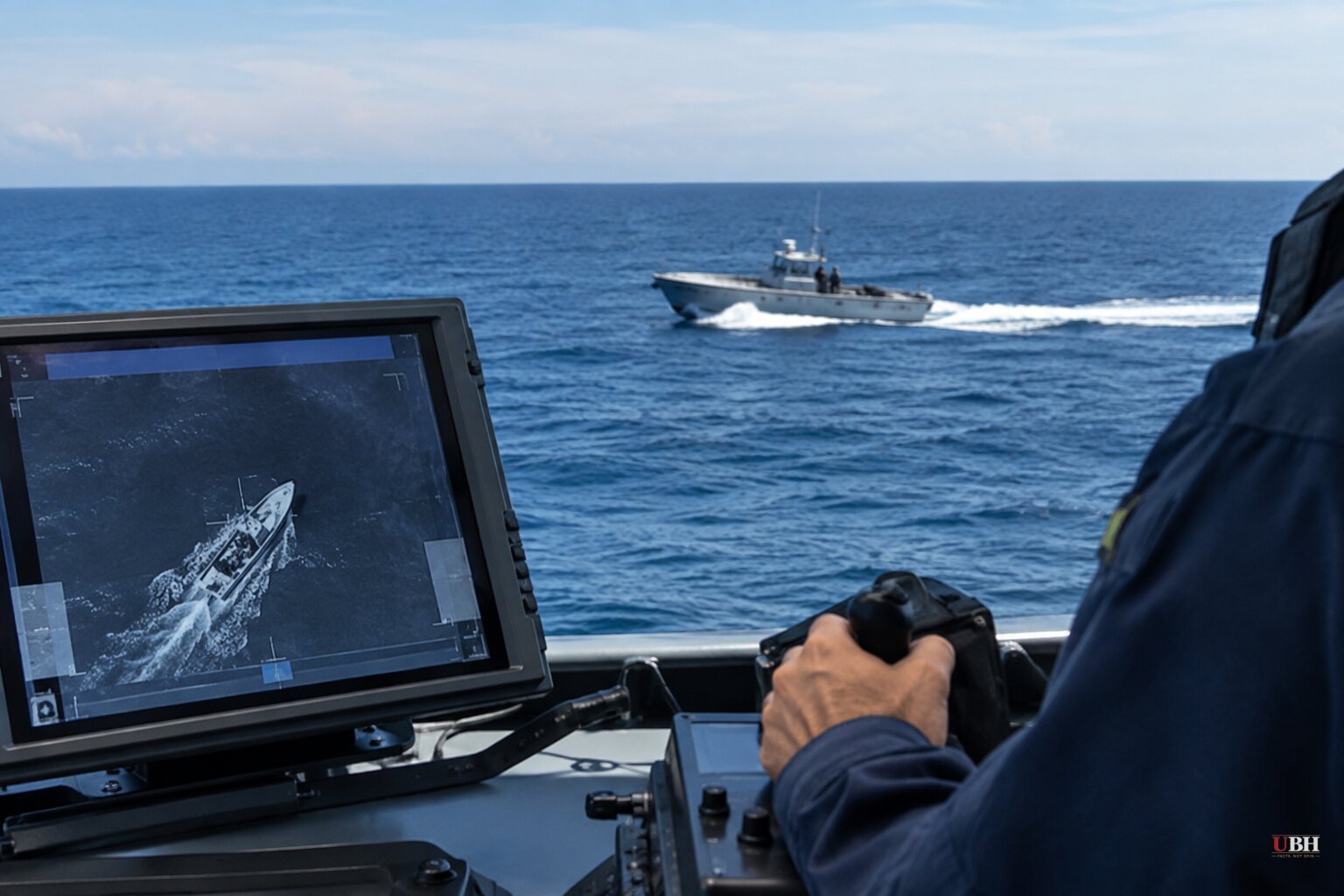
The U.S. military killed four people Saturday in a strike on a go-fast boat in the Caribbean Sea, U.S. Southern Command announced on X.
"Confirmed intelligence revealed the vessel's active involvement in narco-trafficking," SOUTHCOM said, describing the target as operating "along established narco-trafficking routes." The military called those killed "narco-terrorists."
Video released by SOUTHCOM, and reported by Fox News, shows the boat moving through the water before erupting into a fireball. As CBS News noted, the military did not release evidence that drugs were actually on board.
A Year of Strikes, 231 Dead
Saturday's strike is the 69th in a campaign that began around September 2, 2025, according to CBS News and the Times of India. The cumulative death toll now stands at 231 people. It came ten days after a September 9 strike in the Eastern Pacific that killed three people, according to Fox News and the Jerusalem Post.
President Trump has described the United States as being in an "armed conflict" with Latin American cartels and has defended the strikes as necessary to stop drug flows and the overdose deaths they cause among Americans. Fentanyl and other trafficked drugs kill tens of thousands of Americans a year, and a president arguing for aggressive interdiction against cartel operations occupies mainstream ground in the debate over drug policy.
The administration has not made public the intelligence behind who it's killing or what, specifically, each vessel was carrying, according to CBS News. Rights groups have gone further, labeling the operations "extrajudicial killings," per the Jerusalem Post and TRT World. Whether that legal characterization holds depends on facts the administration hasn't disclosed. Reasonable people can read the silence differently: as operational security, or as an absence of accountability.
The 'Double Tap' Question
The first strike in this campaign, on September 2, 2025, remains the most legally fraught. CBS News reported that sources described a "double tap" or follow-on strike that hit the same boat twice, killing two survivors who were waving after the initial hit. Eleven people died total in that opening strike, according to the U.S. military's own count.
Some lawmakers and legal experts have said that follow-on strike may have constituted a war crime, CBS News reported. No court, tribunal, or congressional investigation has ruled on that question, and no charges have been filed against anyone involved. It remains an open legal dispute, not a settled fact in either direction.
Expanding Onto Land
The boat strikes are only part of the picture. Defense Secretary Pete Hegseth said during a visit to Panama that Colombia, Guatemala and Honduras had agreed to let U.S. forces conduct joint operations against criminal groups on their soil, according to the Times of India and CBS News. Guatemala publicly denied any such agreement, a discrepancy neither Hegseth nor SOUTHCOM has resolved on the record.
Ecuador has been running joint operations with U.S. forces since March, CBS News reported, including an operation last month in which U.S. and Ecuadorian forces boarded and sank a vessel SOUTHCOM described as a refueling station for drug-trafficking boats in the Eastern Pacific. Recent SOUTHCOM releases have also targeted vessels tied to Los Choneros, a group the Pentagon calls a violent narco-terrorist organization, according to Fox News.
What's Actually Verified
What's proven: SOUTHCOM has publicly confirmed 69 strikes and 231 deaths over roughly a year, and has released video of at least some of them. What's alleged but not proven: that every person killed was in fact trafficking drugs, that the September 2025 follow-on strike was lawful, and that Guatemala agreed to the land-operations deal Hegseth described. The strikes happen fast, at sea, and the administration controls nearly all the evidence about who was on board and why. Critics say the process is difficult to audit from the outside. Supporters say operational secrecy is unavoidable in a live counter-narcotics fight.
No independent investigation into the legality of the campaign, including the double-tap strike, has been announced by Congress or any court. Whether lawmakers force one, or whether the administration releases more intelligence on future strikes, remains unresolved heading into the campaign's second year.
Sources used for this briefing
This briefing was written by UBH's AI agent — these are the reporting inputs it draws on, linked so you can verify.


