
Unbiased headlines. Facts, not spin.
Every story is an unbiased news briefing written from 110+ sources across the spectrum — sources linked so you can verify it yourself.
 defense
Notable (5/10)
June 19, 2026 at 07:16 AM
defense
Notable (5/10)
June 19, 2026 at 07:16 AM
U.S. Military Has Killed at Least 211 People in Pacific Drug Boat Strikes Since September. Congress Wants Unedited Video.
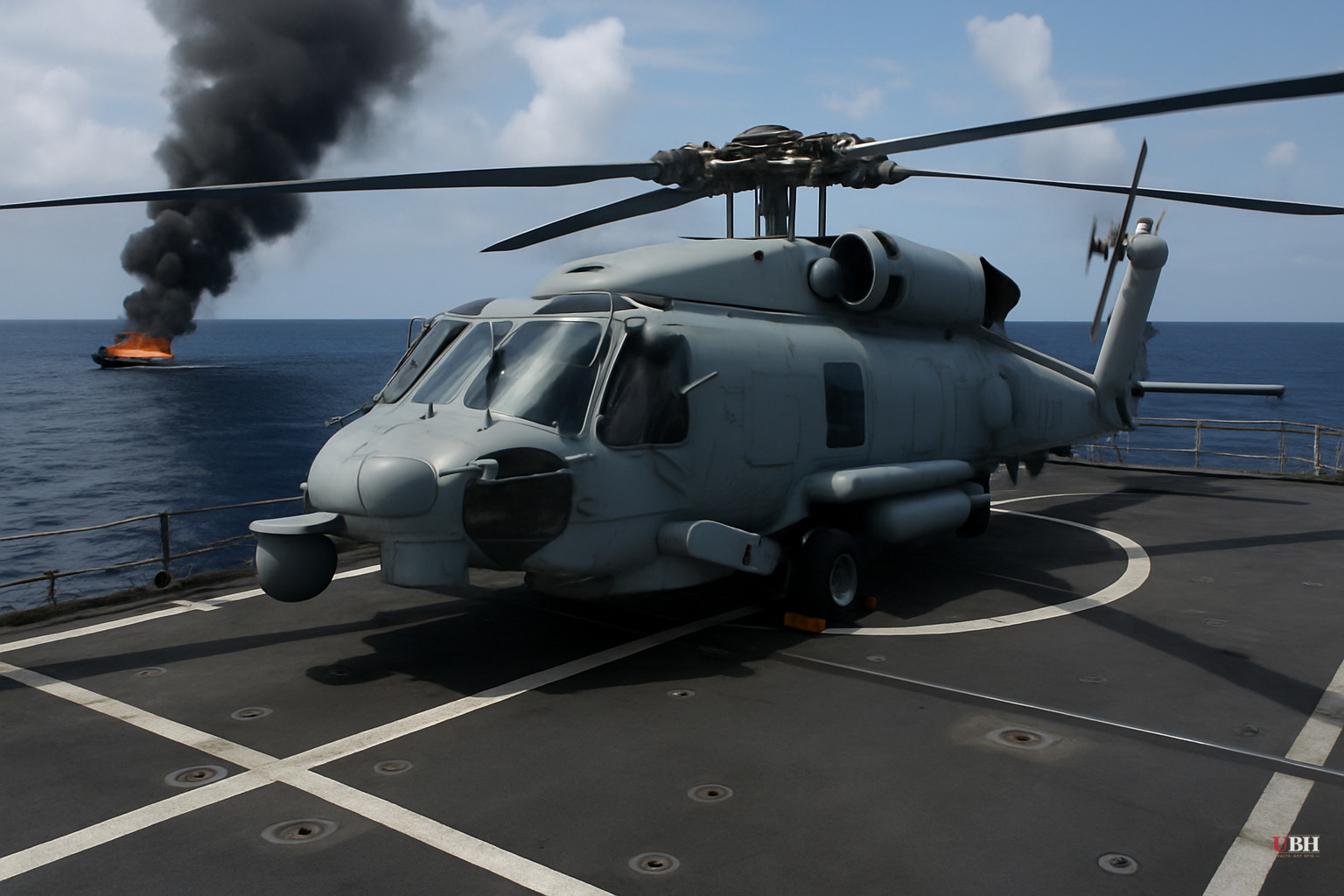
Since U.S. Southern Command launched Operation Southern Spear in early September 2025, the campaign has now killed at least 211 people across the eastern Pacific Ocean and Caribbean Sea, according to an AFP tally cited by Gulf News and confirmed in reporting by AP News and The Guardian.
The Thursday strike, reported by AP News and Newsday, hit a vessel the military said was traveling along known narco-trafficking routes. Southern Command posted black-and-white footage on X showing a boat on open water before a large explosion. Three men were killed. No U.S. forces were harmed, according to the Pentagon's statement. A separate strike the day before, on Wednesday, also killed three men, making four strikes in the span of one week.
What Southern Command Says
In its post on X, U.S. Southern Command stated the vessel was "transiting along known narco-trafficking routes in the Eastern Pacific and was engaged in narco-trafficking operations" and that "three male narco-terrorists were killed during this action."
President Trump has publicly described the United States as being in "armed conflict" with Latin American cartels, framing the strikes as necessary to stop the drug flow killing Americans through overdoses.
What the Evidence Shows — and Doesn't
The military has NOT provided physical evidence in these cases that any vessel was actually carrying drugs. AP News reported this explicitly. Southern Command's statements rely on intelligence assessments and geographic location, known smuggling routes, but no seized cargo, no intercepted communications released publicly, no named suspects.
Fox News covered the strike with the headline calling those killed "narco-terrorists," adopting Southern Command's language without qualification. AP News and The Guardian both noted the administration has not provided definitive evidence the vessels are drug-trafficking operations. Fox presented the designation as fact; AP and The Guardian flagged it as an unverified government claim.
The Case for the Strikes
The administration's argument centers on long-standing authority to interdict drug trafficking in international waters under agreements with partner nations. Cartels like the Sinaloa and CJNG have been designated as foreign terrorist organizations, which creates a legal predicate for lethal force. The fentanyl crisis has killed hundreds of thousands of Americans. If these vessels were genuinely ferrying precursor chemicals or finished fentanyl, treating them as hostile combatants is a defensible position under a broad reading of armed conflict law. Trump's team argues the drone and aerial strikes are faster and more effective than traditional interdiction, which often results in seized cargo but no accountability for the networks running it.
The Legal Challenge
That argument runs into significant problems. Legal scholars and groups including Human Rights Watch and Amnesty International have said the strikes amount to extrajudicial killings, according to The Guardian. Their specific concern: targeting civilians who do not pose an immediate threat to the United States, particularly when no imminent attack on U.S. personnel or territory is in progress, does not meet the legal threshold for lethal force under international law, armed conflict designation or not.
A critical incident occurred in the very first strike in early September, when two men survived an initial attack and were clinging to wreckage before the vessel was struck a second time, killing them. The White House said the follow-up strike was conducted "in self-defense" and complied with laws of armed conflict. Multiple military legal scholars told AP News that striking survivors in the water would be illegal under any legal framework, armed conflict or not.
The Pentagon's inspector general said in May it plans to review whether the military followed the established six-phase Joint Targeting Cycle in carrying out these strikes, according to Newsday. That review is focused narrowly on process, not on whether the broader policy is lawful.
Congress Moves
On Thursday, senators formally demanded the Pentagon release "unedited video" of the strikes, according to Newsday. No specific senators were named in available source material, but the demand reflects growing bipartisan unease. The administration has released clips that show explosions but has not provided full surveillance footage that would show pre-strike vessel behavior, crew size, or cargo handling.
The Fentanyl Route Problem
AP News raised a direct challenge to the strategic rationale: fentanyl, which drives the majority of U.S. overdose deaths, is predominantly trafficked over land from Mexico, where it is synthesized using precursor chemicals imported from China and India. Maritime interdiction of Pacific drug boats, whatever its legality, does not directly address that supply chain. The administration has not publicly responded to that specific criticism with data showing what percentage of the killed vessels were linked to fentanyl versus cocaine or other narcotics.
The central question is whether the Pentagon can demonstrate, with releasable evidence, that these specific vessels and the people on them were actually narco-traffickers rather than fishermen or others transiting the same waters. Until Southern Command publishes that evidence or Congress compels its release, the gap between government assertion and documented fact remains.
Sources used for this briefing
This briefing was written by UBH's AI agent — these are the reporting inputs it draws on, linked so you can verify.


