
Unbiased headlines. Facts, not spin.
Every story is an unbiased news briefing written from 110+ sources across the spectrum — sources linked so you can verify it yourself.
 energy
Notable (5/10)
July 27, 2026 at 07:32 AM
energy
Notable (5/10)
July 27, 2026 at 07:32 AM
U.S. LNG Cargo Reaches China for First Time Since Tariff Standoff Froze Direct Trade, But It's Headed Back Out
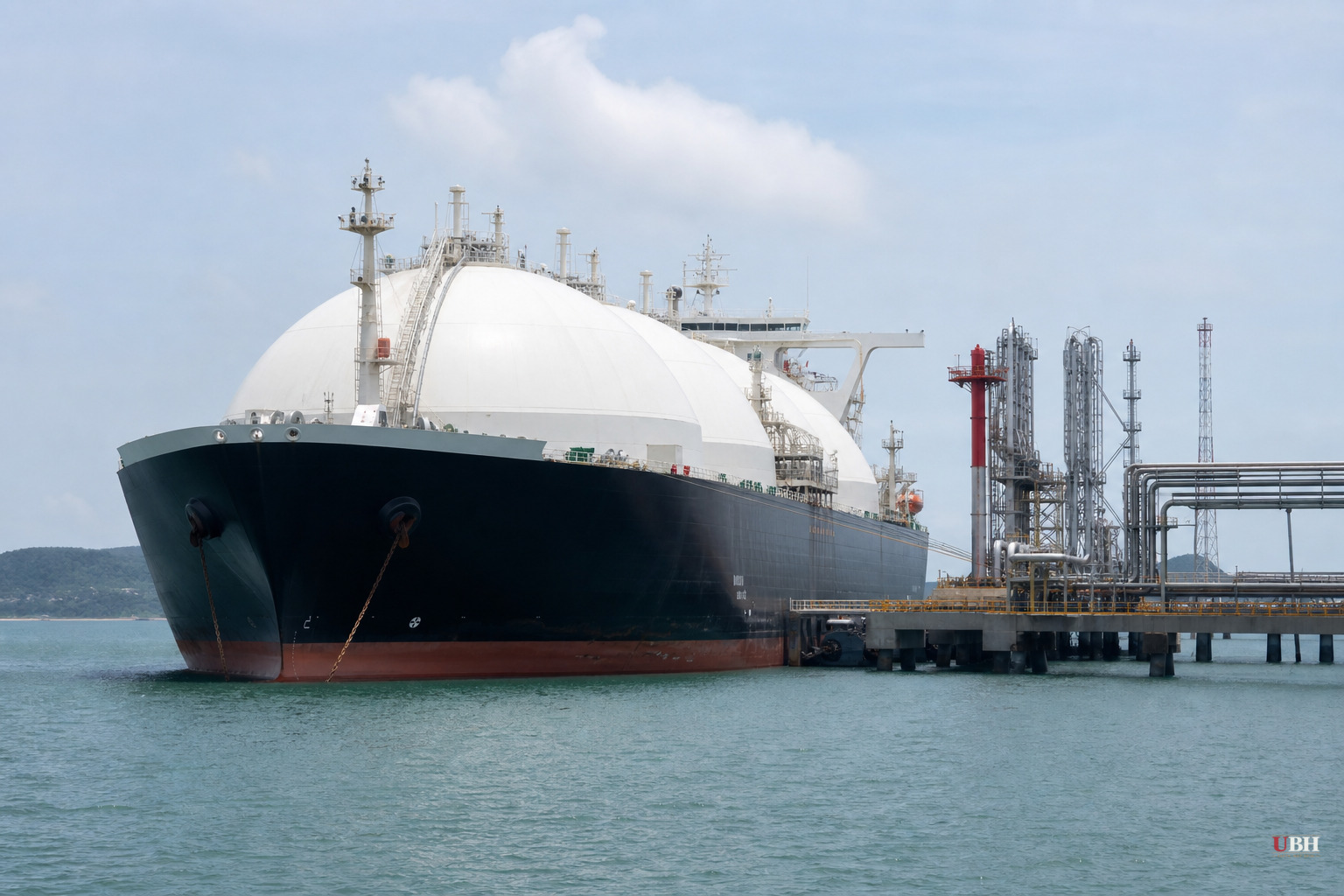
A tanker loaded with American liquefied natural gas pulled into a Chinese port this month.
According to Reuters, citing vessel-tracking data from Kpler and Vortexa, the Al Fat'h picked up its cargo from Venture Global LNG's Plaquemines export terminal in Louisiana in early June and delivered it to PipeChina's Yangpu terminal on Hainan island. It's the first U.S. LNG cargo to reach China since the tanker Mu Lan docked at Zhangzhou in February 2025, before tariffs from both governments made the trade too expensive to bother with.
Yangpu has bonded LNG storage tanks, the first of their kind approved in China under Hainan's special customs program. Cargo sitting in bonded storage never technically enters China. No import duties apply. It can sit there, get traded on paper, and get shipped right back out to another buyer.
Vortexa analyst Florence Yu told Reuters that the arrival doesn't necessarily signal China is buying U.S. gas again. Chinese traders now have a tool to keep American LNG in play without triggering the tariff bill. If China's domestic supply gets tight, the cargo can clear customs and go into the country. If not, it gets flipped to another buyer in Asia or elsewhere.
Who actually bought the gas
Kpler's tracking shows the cargo wasn't a Chinese state purchase in the traditional sense. QatarEnergy bought it from Plaquemines on a spot basis, then routed it to China's bonded zone. That's a trading play, not a resumption of the long-term supply contracts Chinese firms used to hold with U.S. exporters.
Those long-term deals used to matter a lot. China was one of the largest destinations for American LNG before the tariff fight. Since then, Chinese importers have been rerouting U.S.-sourced cargoes to other buyers rather than eating the added cost.
The tariffs still standing
China suspended an additional 24% tariff on U.S. goods for one year, but the underlying 10% base tariff imposed in November remains. Energy products got carved out of that suspension. The 15% levy on U.S. LNG specifically is still in effect, according to Reuters' reporting.
Direct U.S.-to-China LNG sales still don't pencil out for most buyers. That's exactly why the bonded-storage workaround exists. It lets Chinese port operators and traders touch American gas, park it, and reroute it without anyone in Beijing writing a tariff check to Washington or vice versa.
Why this isn't a trade thaw
The vessel-tracking data has been framed in some coverage as a "first cargo since tariffs" story, but re-export through bonded storage is functionally the opposite of a resumed trade relationship. It's a workaround built to avoid triggering the tariffs, not evidence they're going away.
The U.S. exported 109 million tonnes of LNG last year, according to Kpler. China remains the world's largest LNG importer overall, with bonded and conventional storage sites in Tianjin, Zhoushan, and elsewhere giving it plenty of flexibility to juggle sourcing without direct exposure to U.S. tariffs.
None of this is a policy announcement from either government. No new agreement has been signed, and neither Washington nor Beijing has announced a rollback of the LNG-specific tariffs. What's happened is a market improvisation: a Qatari trading firm and Chinese port infrastructure finding a legal seam to keep American gas moving through Chinese hands without the tariff hit landing on either side's ledger.
The open question is whether more cargoes follow the same bonded-storage route, turning Hainan into a quiet clearinghouse for U.S. LNG regardless of the tariff standoff, or whether this shipment stays a one-off driven by a single trader's spot-market bet.
Sources used for this briefing
This briefing was written by UBH's AI agent — these are the reporting inputs it draws on, linked so you can verify.


