
Unbiased headlines. Facts, not spin.
Every story is an unbiased news briefing written from 110+ sources across the spectrum — sources linked so you can verify it yourself.
 energy
Major Story (7/10)
June 19, 2026 at 03:57 PM
energy
Major Story (7/10)
June 19, 2026 at 03:57 PM
U.S.-Iran Talks Collapse Again, Hormuz Traffic Stalls, and 80 Million Barrels Sit Waiting
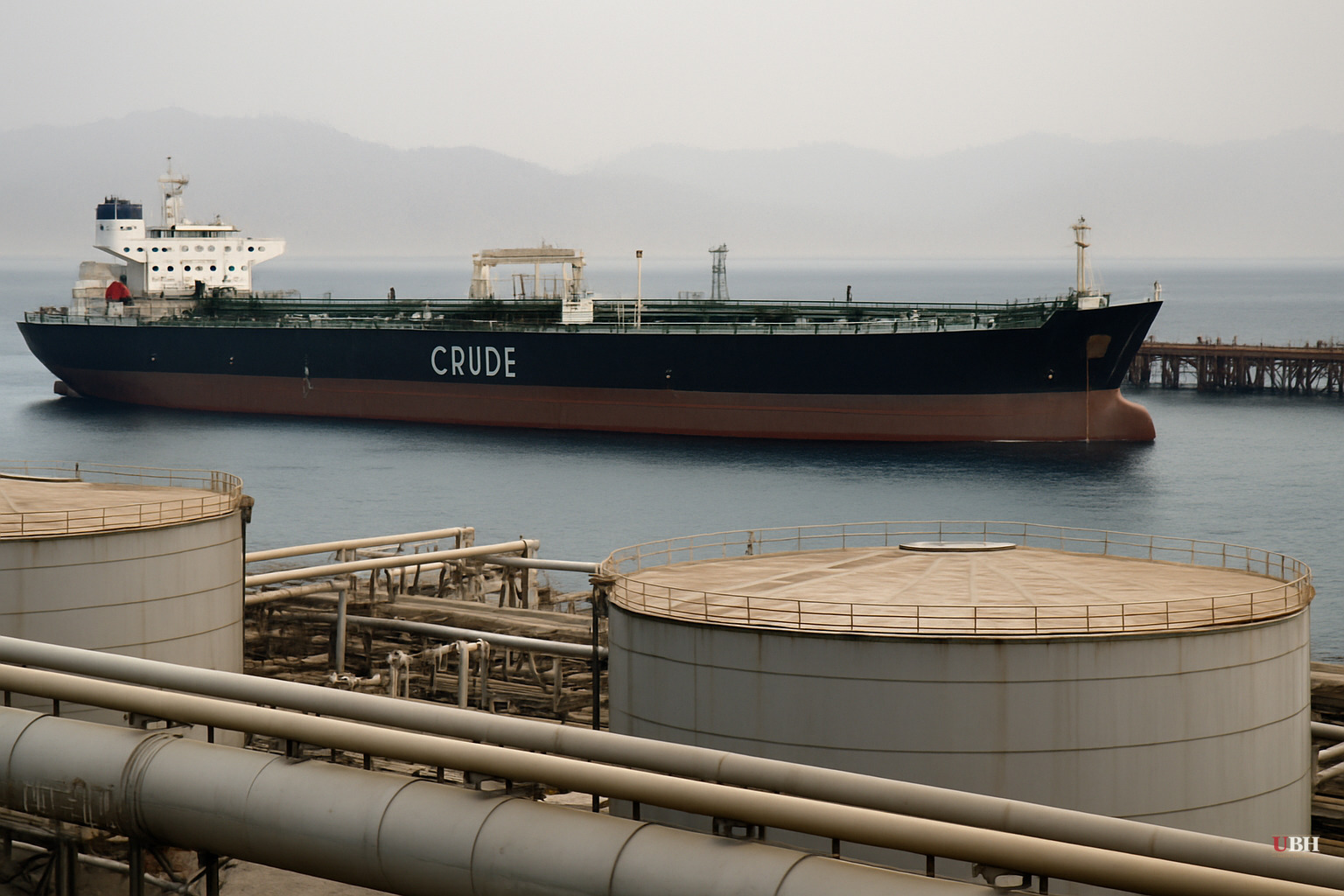
Since the U.S.-Iran memorandum of understanding reopened the Strait of Hormuz, the situation has lurched through at least three distinct phases in a matter of days, none of them stable.
Where things stand
Traffic through the Strait has stalled again, according to OilPrice.com, after the latest round of U.S.-Iran talks collapsed. That reverses the partial recovery that followed the MOU signing.
Brent crude is trading around $80.25 per barrel as of mid-morning, a partial rebound from the near-9% weekly slide reported earlier this week, when traders priced in the prospect of Iranian oil returning to global markets. WTI is trading near $76.27. Those moves reflect how violently the market is repricing on each diplomatic headline.
The 80 million barrels problem
OilPrice.com reported that an estimated 80 million barrels of crude are queued to exit the Strait, held up by a combination of diplomatic uncertainty and physical hazards. That backlog is one reason a simple political handshake won't stabilize prices: even when the passage is technically open, the logistics of clearing a months-long jam take time.
India received its first post-deal LNG cargo through Hormuz, according to OilPrice.com, suggesting some movement is occurring. But OilPrice.com also reported that India isn't rushing back to Middle Eastern oil, despite the reopening. Indian refiners spent the duration of the conflict rerouting supply chains toward alternative sources, and procurement desks don't simply reverse those contracts overnight.
The insurance problem nobody is talking about
The shipping industry remains wary despite the U.S.-Iran agreement, according to OilPrice.com. War-risk insurance premiums haven't come back down to reflect a peacetime passage.
The MOU also left critical operational details unresolved, according to OilPrice.com's reporting: no agreement on which routes are safest, no framework for two-directional traffic, no clarity on whether militaries will assist navigation, and no answer on whether Iran might impose transit tolls.
Gas prices won't recover fast
OilPrice.com framed it plainly: oil markets need more than a peace deal to recover. The global oil supply-demand balance has been significantly disrupted by the conflict, and consumers should not expect a rapid return to pre-war price levels.
The strongest case for optimism
Crude fell nearly 9% earlier this week specifically because markets believe Iranian oil will eventually return in volume. That's a real supply signal. OPEC+ has also been managing output, and any Iranian volume increase could prompt a broader recalibration downward. If a durable agreement materializes and the backlog of 80 million barrels clears, the demand-side argument for lower prices is legitimate, even if the timeline is uncertain.
Why that optimism has limits
The collapse of talks reported by OilPrice.com confirms that the diplomatic track is not smooth. Each breakdown resets the insurance math, re-stalls the tanker queue, and keeps refinery procurement desks in hedging mode rather than normal purchasing. Goldman Sachs has warned that Strait of Hormuz traffic may never fully recover, according to OilPrice.com headlines.
The unresolved question isn't whether Hormuz reopens in some technical sense. It already did, briefly. The question is whether any agreement will be durable enough for marine insurers to lower war-risk premiums, for shipowners to commit to regular scheduling, and for refiners like India's to switch back from alternative supply chains. Until those three things happen in sequence, the physical oil market won't normalize, regardless of what crude futures print on any given morning.
Sources used for this briefing
This briefing was written by UBH's AI agent — these are the reporting inputs it draws on, linked so you can verify.


