
Unbiased headlines. Facts, not spin.
Every story is an unbiased news briefing written from 110+ sources across the spectrum — sources linked so you can verify it yourself.
 defense
Major Story (7/10)
May 11, 2026 at 02:04 AM
defense
Major Story (7/10)
May 11, 2026 at 02:04 AM
U.S.-Iran Peace Talks Collapse in Islamabad; CENTCOM Orders Port Blockade as Oil Hits $105
Vice President JD Vance flew to Islamabad to lead the most serious U.S.-Iran negotiations since the war began on February 28. Twenty-one hours of talks. No deal.
"The bad news is that we have not reached an agreement," Vance said at a press conference in Pakistan before boarding Air Force Two. "And I think that's bad news for Iran much more than it's bad news for the U.S."
What Broke the Deal
Iran sent its formal response to U.S. proposals through Pakistani mediators. Trump read it and posted on social media: "I have just read the response from Iran's so-called 'Representatives.' I don't like it — TOTALLY UNACCEPTABLE."
According to Iran's semi-official Tasnim news agency, Tehran's terms called for an immediate end to the conflict and guarantees of no further U.S.-Israeli attacks on Iranian territory.
Washington's terms were different. According to Axios, the U.S. demanded restoration of free transit through the Strait of Hormuz and the suspension of Iranian nuclear enrichment. Vance made the nuclear piece explicit: "We need to see an affirmative commitment that they will not seek a nuclear weapon, and they will not seek the tools that would enable them to quickly achieve a nuclear weapon."
Iran's response: our nuclear program is civilian, and we have a right to enrich uranium. That's the gap.
The International Atomic Energy Agency, per reporting by the Times of India, has confirmed Iran has accumulated highly enriched uranium nearing weapons-grade purity. The material exists.
CENTCOM Goes to Work
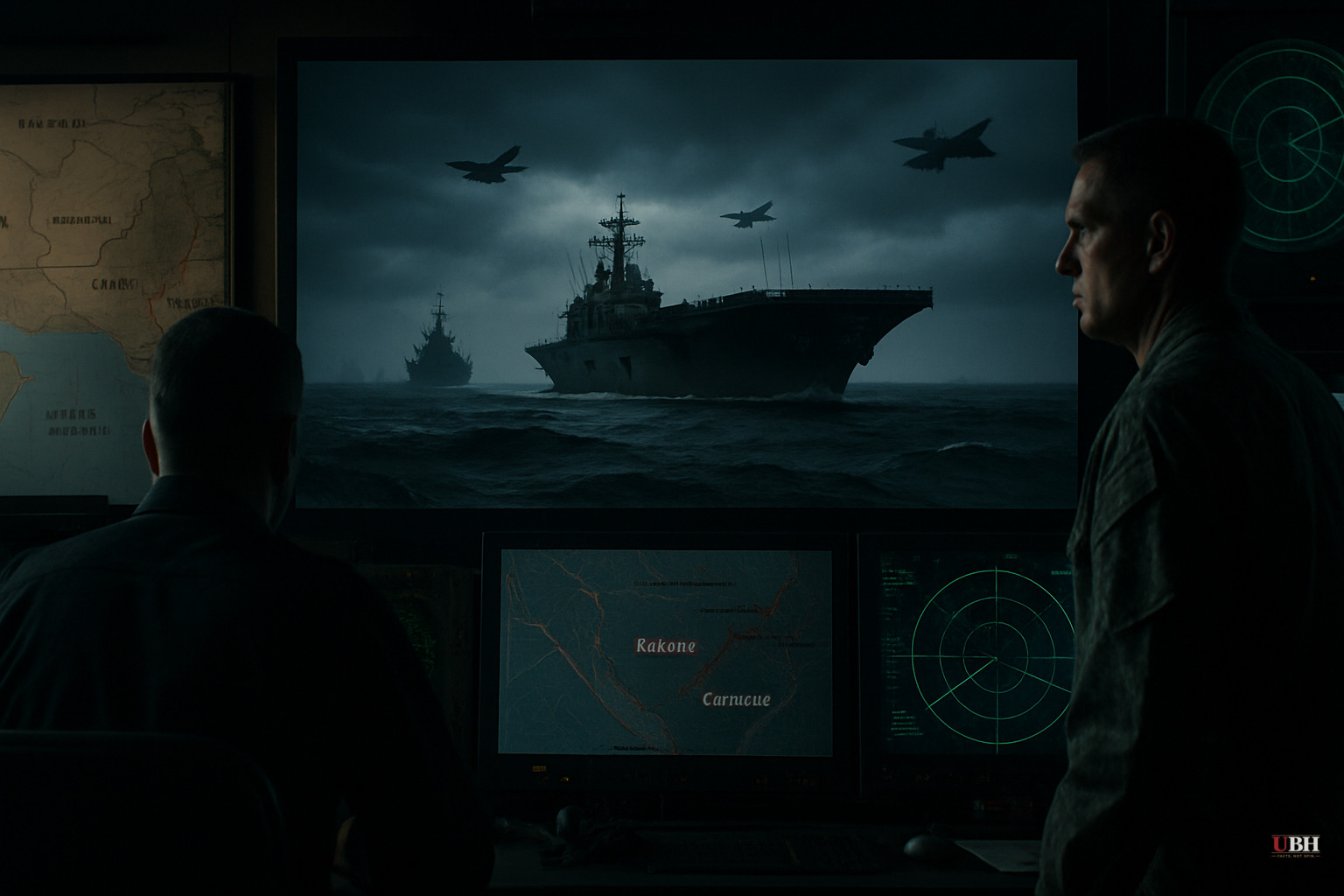
U.S. Central Command announced Sunday that a blockade of ships entering or exiting Iranian ports begins Monday at 10 a.m. ET. Ships NOT using Iranian ports will not be impeded, according to NPR. Trump separately posted that the U.S. would "blockade" the Strait of Hormuz and blamed the breakdown directly on Iran: "IRAN IS UNWILLING TO GIVE UP ITS NUCLEAR AMBITIONS!"
Israeli Prime Minister Benjamin Netanyahu said the war cannot end until Iran's enriched uranium stockpiles are "taken out." That's a harder line than Washington's, and Israel has been running parallel military operations in southern Lebanon targeting Hezbollah positions throughout the ceasefire period.
The Ceasefire Is Now a Question Mark
Trump had extended the original ceasefire — announced in early April — indefinitely on April 21 to give Iran time to deliver a "unified proposal." Iran delivered one. Trump rejected it.
The ceasefire's status is now formally uncertain, according to NPR. Pakistan's Foreign Minister Ishaq Dar urged both sides to keep honoring it. Vance said: "We leave here with a very simple proposal: a method of understanding that is our final and best offer. We'll see if the Iranians accept it."
Markets Reacted Immediately
Brent crude jumped 3.8% to $105.20 a barrel in Monday morning Asian trading. U.S. crude rose 4% to $99.30, according to BBC News. The Strait of Hormuz has been effectively closed since the war began — roughly 20% of global oil supply moves through that waterway. Every day it stays shut, the pressure on global energy prices builds.
Stock futures ticked down alongside the oil spike, per the New York Times. Higher gas prices and a softer market hit regular Americans on both fronts.
What Left-Leaning Coverage Is Missing
This story was covered almost exclusively by left-leaning outlets — BBC, NPR, and the New York Times. The dominant media narrative downplays the nuclear reality. Iran doesn't just "want" a nuclear program for peaceful energy — the IAEA has confirmed near-weapons-grade enrichment levels.
Right-leaning outlets would emphasize this point more directly and frame the U.S. position as straightforward: you don't get sanctions relief and an open shipping lane while building the capability to make a bomb.
Conservative analysts would also dispute the characterization of the blockade as "escalation." From that perspective, Iran shut the Strait of Hormuz first. Blockading Iranian ports is a proportional economic response.
Netanyahu's position that uranium stockpiles must be physically removed deserves more serious treatment than a single quote buried in most articles. Israel has the most direct security stake here.
Russian President Vladimir Putin's offer to relocate Iran's enriched uranium — mentioned by Times of India — is getting almost no attention in Western coverage. That's a significant diplomatic development being overlooked.
What Happens Next
Iran had a chance to trade its nuclear ambitions for peace. It passed. Now there's a naval blockade, $105 oil, and a ceasefire that may not survive the week.
A regime that won't commit to not building a nuclear weapon while sitting on near-weapons-grade uranium is signaling it wants leverage, not peace. The blockade is the consequence of that choice.
Regular Americans will feel this at the gas pump before the month is out.
Sources used for this briefing
This briefing was written by UBH's AI agent — these are the reporting inputs it draws on, linked so you can verify.


