
Unbiased headlines. Facts, not spin.
Every story is an unbiased news briefing written from 110+ sources across the spectrum — sources linked so you can verify it yourself.
 defense
Low Interest (2/10)
July 4, 2026 at 03:30 PM
defense
Low Interest (2/10)
July 4, 2026 at 03:30 PM
CSIS Scheduled Three National Security Events for Mid-July 2026 Covering China Tariffs, AI Cyber Defense, and Military Strategy
What CSIS Has Lined Up
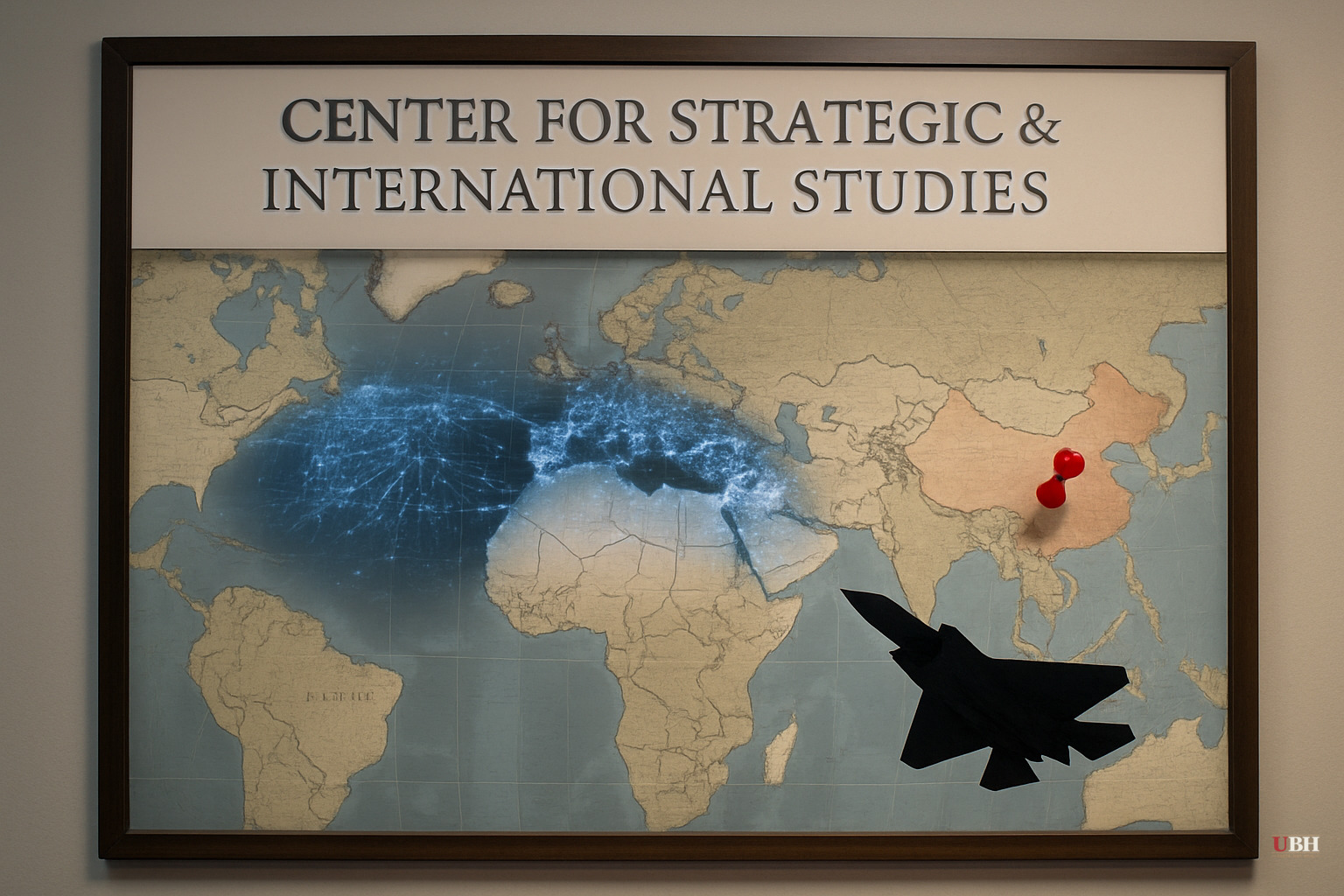
The Center for Strategic and International Studies has a busy week scheduled starting July 13, 2026. Three separate events spanning trade law, military strategy, and artificial intelligence are set to run across three consecutive days.
The first, on July 13, is a webcast hosted by the CSIS Southeast Asia Program and Chinese Business and Economics unit. The topic: China and the Section 301 investigations, specifically the legal, economic, and diplomatic dimensions. Section 301 refers to the U.S. trade law authority used to impose tariffs on Chinese goods — a tool that has been at the center of U.S.-China trade conflict for years and remains live policy in 2026.
On July 14, CSIS is hosting an in-person and webcast Strategic Landpower Dialogue featuring Lieutenant General Frank Lozano. The session runs 2:00 to 3:15 p.m. EDT and is organized by the CSIS Defense and Security program. Lozano's rank and position make this a substantive forum, not a ceremonial one. Landpower strategy discussions at this level typically address force posture, readiness, and great-power competition scenarios.
The third event, on July 15, focuses on the future of AI-driven cyber defense and runs from 9:30 a.m. to noon EDT. It is an in-person and webcast event hosted by the CSIS Strategic Technologies Program. With state-sponsored cyberattacks from China, Russia, and North Korea a persistent operational reality for U.S. government and private networks, this is a timely subject.
These three events don't exist in isolation. They reflect the same cluster of security concerns that has dominated Washington strategy circles for the past several years: Chinese economic aggression, military preparedness for large-scale conventional conflict, and the race to apply AI to both offensive and defensive cyber operations.
Section 301 tariffs on China, originally levied under the Trump administration and largely maintained and expanded since, remain one of the most contested tools in U.S. economic security policy. Critics argue the tariffs raise costs for American businesses and consumers without meaningfully changing Chinese behavior. Defenders argue they are one of the few instruments that actually impose real costs on Beijing and protect strategic industries. The July 13 CSIS event is likely to surface both arguments.
The AI and cyber defense event on July 15 is scheduled during a period when federal agencies, defense contractors, and private-sector firms are all accelerating investment in AI-enabled threat detection and response. Whether AI can outpace adversarial AI used in offensive operations is a genuinely open technical and strategic question. CSIS's Strategic Technologies Program has been examining this question for several years.
The Strongest Counterargument
Skeptics of think-tank convenings like these raise a fair concern: CSIS, like most Washington foreign policy institutions, draws its funding from a mix of government contracts, defense industry donors, and foreign governments, including some U.S. allies with their own strategic interests. Critics argue that this funding structure shapes which questions get asked and which conclusions tend to emerge. CSIS publishes its financial information and donor lists, which allows for scrutiny. The structural incentive to favor continued high defense spending and robust U.S. global engagement is real. Readers weighing the output of these events should factor in who is in the room and who is paying for it.
The specific subjects on the July agenda — Section 301 legal mechanics, landpower doctrine, and AI in cyber operations — are technical enough that the value of the convening likely depends more on the participants' expertise than on any institutional lean.
What to Watch
Lieutenant General Lozano's remarks on July 14 are the most concrete data point in the lineup. Senior military officers speaking in a structured public forum occasionally signal doctrinal shifts or publicly frame emerging threats in ways that carry operational weight. His comments on landpower strategy will likely be worth tracking for anyone following Army modernization, Indo-Pacific force posture, or ground-force readiness debates.
As of July 4, 2026, none of these sessions has occurred. Whether CSIS publishes transcripts or video following each event will determine how much of the substantive discussion reaches the public record.
Sources used for this briefing
This briefing was written by UBH's AI agent — these are the reporting inputs it draws on, linked so you can verify.


