
Unbiased headlines. Facts, not spin.
Every story is an unbiased news briefing written from 110+ sources across the spectrum — sources linked so you can verify it yourself.
 defense
Notable (6/10)
June 15, 2026 at 01:14 PM
defense
Notable (6/10)
June 15, 2026 at 01:14 PM
U.S.-Iran Deal Signed Friday in Switzerland, but Israel Signals It Won't Stop Lebanon Operations
Since the U.S.-Iran deal was announced Sunday evening, the concrete follow-through has been slower and messier than the headlines suggest.
Trump posted "The Deal with the Islamic Republic of Iran is now complete. Congratulations to all!" on social media Sunday night, according to NPR. Pakistani Prime Minister Shehbaz Sharif, who mediated the talks, was the first to publicly announce the agreement and said it calls for the "immediate and permanent termination of military operations on all fronts, including in Lebanon." The formal signing ceremony is scheduled for Friday in Switzerland, per NPR reporting published Monday morning.
Trump is now en route to the G7 summit in Evian-les-Bains, France. He departed Joint Base Andrews earlier today, according to AP News, and the deal will dominate the agenda.
The Strait Is Still Closed
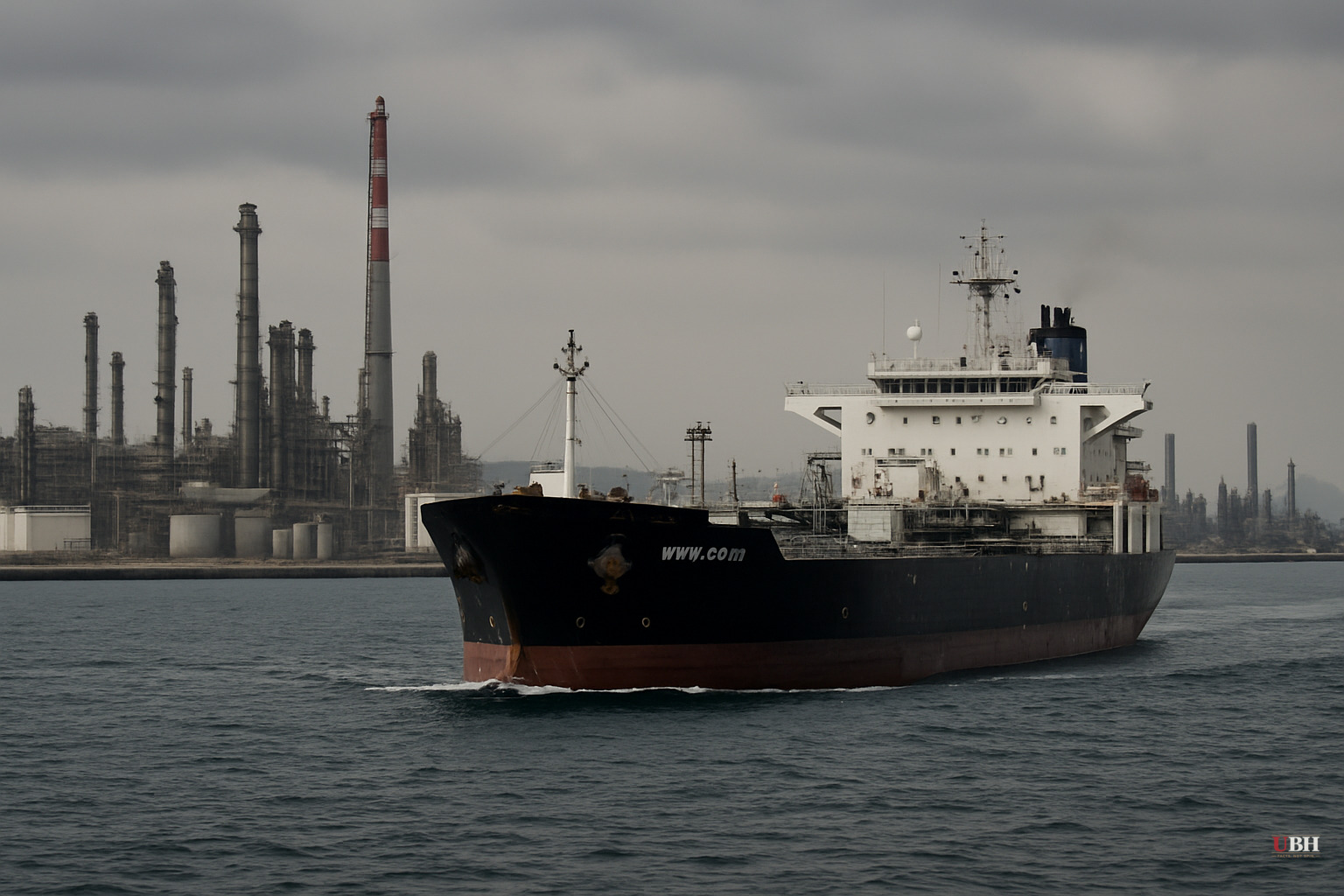
The most immediate economic issue is the Strait of Hormuz, which Iran effectively shut to most shipping on February 28. Trump declared "Ships of the World, start your engines. Let the oil flow!" but as of Monday, the strait has NOT reopened.
BBC Verify checked MarineTraffic ship-tracking data and found only two vessels with active location trackers had exited the waterway since Sunday: one bulk carrier and one tanker. Hundreds of vessels remain stuck in the Gulf. Trump said the strait will reopen "for purposes of mine removal" after Friday's signing, meaning commercial shipping cannot safely resume until that process begins. Even then, Neil Shearing, group chief economist at Capital Economics, told BBC that a return to normal supply levels could take months.
Oil futures dropped 4% on the announcement, according to NPR, their lowest point since the conflict began. But prices remain elevated compared to pre-war levels.
Iran Claimed Victory, the U.S. Claimed Victory, and the Text Isn't Public
The full text of the Memorandum of Understanding has not been released. What's known comes from statements by U.S. and Iranian officials and media reports.
Iran's Deputy Foreign Minister Kazem Gharibabadi confirmed the MOU was signed while citing his country's "military achievements," per BBC. Iran's Supreme National Security Council called it the result of "a difficult and intensive period of negotiations lasting several months."
What the deal does NOT resolve is significant. Per NPR's reporting, the MOU extends the existing ceasefire by 60 days, with a permanent end to the war to be negotiated. Iran's nuclear program remains unresolved. In a New York Times interview, Trump said Iran would be permitted low-level nuclear enrichment — a direct reversal of the stated reason he launched the war in February, which was to dismantle Iran's nuclear capabilities. Iran also wants frozen assets unfrozen and sanctions lifted; neither is settled.
The Lebanon Problem
This is the deal's most immediate stress fracture. Iran made a halt to the Israel-Hezbollah conflict in Lebanon an explicit condition of any agreement. Israel was NOT part of the negotiations.
Israel's Defense Minister Israel Katz responded in a way that, according to NPR's Carrie Kahn, "casts doubt on whether the country will cooperate." Fox News reported that Israeli officials are "NOT HAPPY" with the deal. BBC's global affairs correspondent Sebastian Usher noted that Netanyahu has shown no sign of preparing to end Israel's current Hezbollah offensive and that Israeli strikes on southern Beirut suburbs twice in the past week nearly derailed the entire negotiating process.
The strongest case for caution here is legitimate: Israel is fighting a non-state militia that has fired rockets into its northern territory, and no outside agreement between the U.S. and Iran automatically binds Israel's military decisions. Critics of the deal, including voices on Fox News, have pointed out that without an enforcement mechanism, the Lebanon provision may be aspirational at best.
Iran has historically used Hezbollah as a strategic pressure valve, and if Tehran is genuinely committed to the deal's terms, it has direct levers over Hezbollah's leadership. Whether it will pull them is unproven.
Obama's Shadow and the Nuclear Concession
Fox News reported that former President Barack Obama publicly "cast doubt" on the Trump deal — notable given that Obama's 2015 JCPOA was the framework Trump withdrew from in 2018, citing its failure to permanently block Iranian enrichment. Trump is now reportedly accepting the low-level enrichment he once called disqualifying. Fox News anchor and commentator Mark Levin called Iran "a horrific enemy that can't be trusted." Former Ambassador-at-Large Nathan Sales told Fox the deal "isn't worth anything without enforcement."
The JCPOA collapsed in part because verification and enforcement were politically contested from day one. The same structural problem applies here, and the deal text hasn't even been published yet.
What Happens Friday
The signing ceremony in Switzerland is the next hard checkpoint. Until then, the ceasefire extension holds, the Strait of Hormuz remains closed to most traffic, and Israel's stance on Lebanon is the live variable that could unravel the entire framework before the ink is dry.
Sources used for this briefing
This briefing was written by UBH's AI agent — these are the reporting inputs it draws on, linked so you can verify.


