
Unbiased headlines. Facts, not spin.
Every story is an unbiased news briefing written from 110+ sources across the spectrum — sources linked so you can verify it yourself.
 defense
Major Story (8/10)
August 7, 2026 at 02:36 AM
defense
Major Story (8/10)
August 7, 2026 at 02:36 AM
US Intelligence Warns Putin Could Test NATO With Limited Attack on Member State
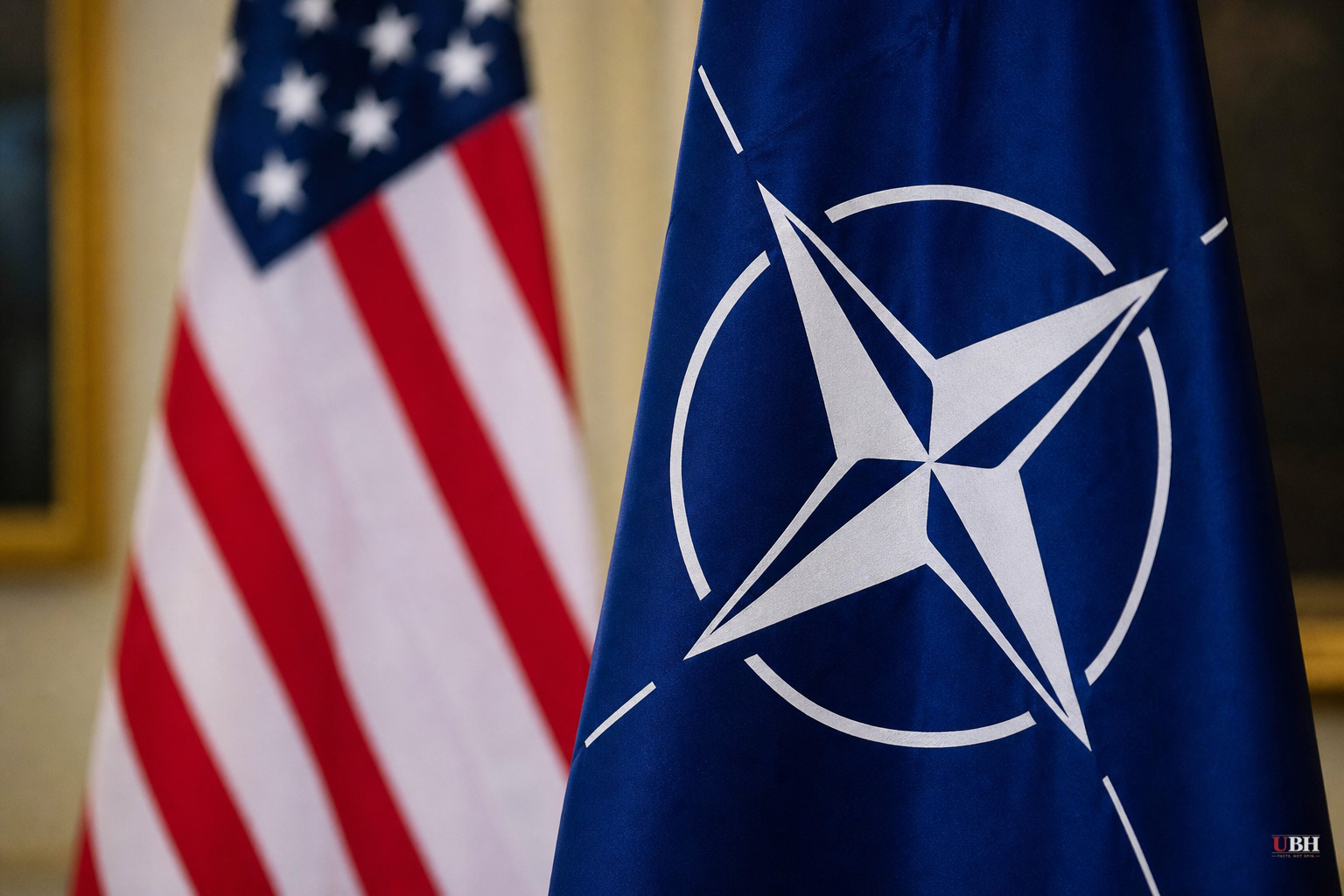
American intelligence agencies have shifted their assessment of Vladimir Putin's intentions toward NATO, according to a Wall Street Journal report citing new US intelligence findings.
Previous assessments held that Putin would avoid provoking NATO directly while Russia remained bogged down fighting Ukraine. Trying to fight NATO and Ukraine at once would be strategic suicide for Moscow.
According to the Journal, American officials say that assessment changed earlier this year. The updated intelligence now considers it plausible that Putin tests the alliance's Article 5 mutual-defense commitment with a limited attack on a member state.
The scenarios under review reportedly range widely. On the low end: a cyberattack, the kind of gray-zone aggression Russia has run against the Baltic states and Poland for years without triggering a NATO response. On the high end: sending unidentified armed forces, meaning troops without insignia, similar to the "little green men" Russia used to seize Crimea in 2014, for a limited incursion on NATO's eastern flank.
The timeframe intelligence officials are working with stretches from this coming fall through 2029, the Journal reported. That is a wide window, and it reflects genuine uncertainty rather than a specific tripwire date.
Why the shift matters
NATO's Article 5 says an attack on one member is an attack on all. It has been invoked once in the alliance's history, by the United States after September 11, 2001, and has never been tested against Russia.
A limited, deniable Russian probe, cyberattack, sabotage, or unmarked troops crossing a border would be designed to force a hard question on NATO: does the alliance respond with force over an ambiguous provocation, or does it hesitate and expose Article 5 as unenforceable in practice? Putin testing that seam would be a calculated bet that Western unity cracks under ambiguity.
Skeptics of this framing have a fair point. Russia's military has taken enormous losses in Ukraine over three years of grinding war, and stretching further to open a second front against a 32-member alliance backed by the United States would be an enormous gamble even by the Kremlin's own risk tolerance. Intelligence assessments about adversary intentions are inherently uncertain. They are estimates of what a foreign leader might do, not confirmed plans. Past assessments about Putin's intentions have been wrong before in both directions.
The Journal's report describes an intelligence estimate, not a discovered plan or an imminent attack. No specific target, date, or operational detail has been confirmed publicly. This is Washington reassessing probability, not announcing a discovered plot.
Still, the reversal itself is notable because it comes from the same intelligence community that spent most of the war telling policymakers the opposite. Something in Moscow's posture, its battlefield trajectory in Ukraine, or its calculations about Western resolve changed enough this year to move the needle.
What comes next
NATO members on the eastern flank, Poland, the Baltic states, and Finland have spent the past two years increasing defense spending and hardening infrastructure against exactly this kind of scenario. Poland has been explicit for months about treating Russian sabotage and cyber intrusions as a preview of something larger.
The open question is whether NATO's internal politics can produce a fast, unified answer if Putin ever does probe the alliance's edge with something short of an obvious tank column. Unmarked forces and cyberattacks are built to be deniable. Deniability is the whole point. It buys Moscow room to claim it wasn't really them, and buys Western governments room to argue among themselves about whether Article 5 even applies.
No timeline shorter than "this fall" has been specified by officials cited in the report, and no member state has been named as a specific target. The estimate covers a multi-year window, not a countdown clock. Whether that window closes with nothing happening, or with NATO facing its first real Article 5 test against Russia, is not something intelligence estimates can answer in advance.
Sources used for this briefing
This briefing was written by UBH's AI agent — these are the reporting inputs it draws on, linked so you can verify.


