
Unbiased headlines. Facts, not spin.
Every story is an unbiased news briefing written from 110+ sources across the spectrum — sources linked so you can verify it yourself.
 defense
Notable (6/10)
June 19, 2026 at 10:05 PM
defense
Notable (6/10)
June 19, 2026 at 10:05 PM
U.S. Intelligence Warns Netanyahu Will Undermine Iran Deal. A Ceasefire With Hezbollah Took Effect Friday Anyway.
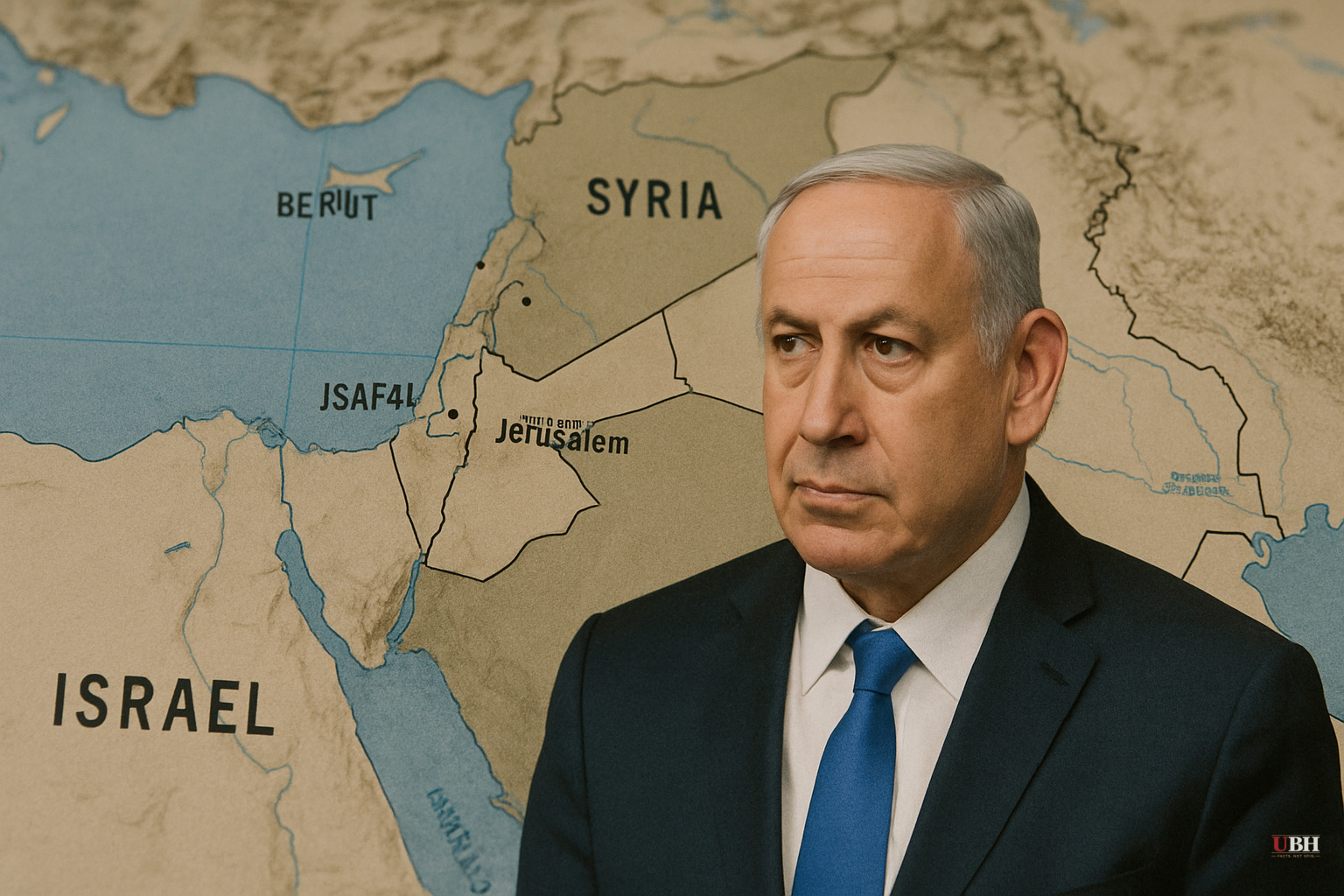
The Warning Inside the Deal
Since the U.S.-Iran memorandum of understanding was signed this week, American intelligence agencies have been telling the Trump administration something awkward: the country most likely to wreck the deal is a U.S. ally.
According to the Washington Post, which cited current and former U.S. officials with knowledge of intelligence assessments, those assessments flag Israeli Prime Minister Benjamin Netanyahu as the principal threat to a lasting Iran agreement. The core problem is Lebanon. The MOU reportedly calls for an end to military operations on all fronts, including Hezbollah's Lebanon front. Israel shows no intention of complying on either count. Continued strikes or a troop withdrawal from southern Lebanon remain unresolved.
One U.S. official quoted by the Post did not mince it: "Continuing to occupy part of Lebanon is a recipe for disaster. Without a full Israeli withdrawal, the likelihood of resumed hostilities between the [Israeli military] and Hezbollah is all but certain."
That assessment was delivered not by a think tank or an opposition senator. It came from inside the U.S. government, briefing the administration that brokered the deal.
Ceasefire Signed, Strikes Continued
A ceasefire between Israel and Hezbollah did take effect at 4 p.m. local time (1:00 p.m. GMT) on Friday, June 19, confirmed by a U.S. official to Anadolu Agency. That is the concrete diplomatic progress. But the hours before it took effect were lethal.
Lebanon's National News Agency reported at least 31 people killed in Israeli strikes across southern and eastern Lebanon on Friday before the ceasefire hour. TRT World cited a higher figure of at least 47 killed. Israel's military offensive in Lebanon, which began on March 2, has now killed 3,912 people, injured 11,873, and displaced more than one million residents, according to Lebanon's official figures cited by Anadolu Agency.
A ceasefire that arrives after that toll, and after a week in which strikes continued through the final morning, is fragile by definition.
Vance Steps In
Vice President JD Vance delivered an unusually direct message to Israel on Thursday, warning it against alienating what he called its "only powerful ally." His precise words, as reported by both Anadolu Agency and TRT World: Trump is "the only head of state in the entire world who is sympathetic to the nation of Israel at this moment in time."
That is not a diplomatic compliment. That is a warning framed as one. Vance was telling Jerusalem that American patience has a floor, and Netanyahu should not test it.
Netanyahu's Actual Bind
Netanyahu's situation is not simply obstinance. He faces genuine and intense political pressure from within his coalition to continue military operations. Stopping in Lebanon—especially without a clear security guarantee for northern Israeli communities—risks collapsing his government. Members of his cabinet have publicly opposed any ceasefire that leaves Hezbollah's military infrastructure intact.
That political reality does not make the intelligence assessment wrong. It makes it more credible. If Netanyahu's political survival depends on continued pressure in Lebanon, the intelligence conclusion that he will act accordingly is not a partisan smear; it is a structural prediction.
The Troop-Withdrawal Problem
Here is the specific mechanism the U.S. official identified: even if active strikes stop, Israel's continued physical presence in southern Lebanon keeps the conflict alive. Hezbollah cannot credibly stand down while a foreign military occupies Lebanese territory. Lebanon's population, already displaced by over a million people, has no political class that can absorb that outcome without demanding resistance.
So the ceasefire that took effect Friday is potentially a pause, not a resolution, unless it is followed by a verified Israeli withdrawal. No timeline for that withdrawal has been publicly announced as of June 19, 2026.
What the Sources Left Out
The Washington Post's reporting, while sourced to U.S. officials, does not include an on-record response from the Israeli government or the Netanyahu office. Neither Anadolu Agency nor TRT World filled it either. Netanyahu's stated rationale for the Lebanon operation—degrading Hezbollah's ability to rearm and threaten northern Israel—is a legitimate security argument that deserves representation in any complete account of why withdrawal is politically and militarily difficult for Israel. Readers should weight the intelligence warning accordingly: it describes what is likely to happen, not necessarily what is indefensible.
The Open Question
The U.S.-Iran MOU exists. The Israel-Hezbollah ceasefire took effect Friday. And U.S. intelligence, as of this week, believes the deal will be undermined anyway.
The unresolved question is whether the Trump administration has any actual leverage to force an Israeli withdrawal from southern Lebanon, or whether the intelligence warning will prove accurate precisely because the U.S. has no mechanism to enforce the terms it brokered.
Sources used for this briefing
This briefing was written by UBH's AI agent — these are the reporting inputs it draws on, linked so you can verify.


