
Unbiased headlines. Facts, not spin.
Every story is an unbiased news briefing written from 110+ sources across the spectrum — sources linked so you can verify it yourself.
 defense
Major Story (7/10)
July 24, 2026 at 03:20 PM
defense
Major Story (7/10)
July 24, 2026 at 03:20 PM
US Grants UAE Top-Tier Export Status, Opening Door to AI Chips and Drone Tech
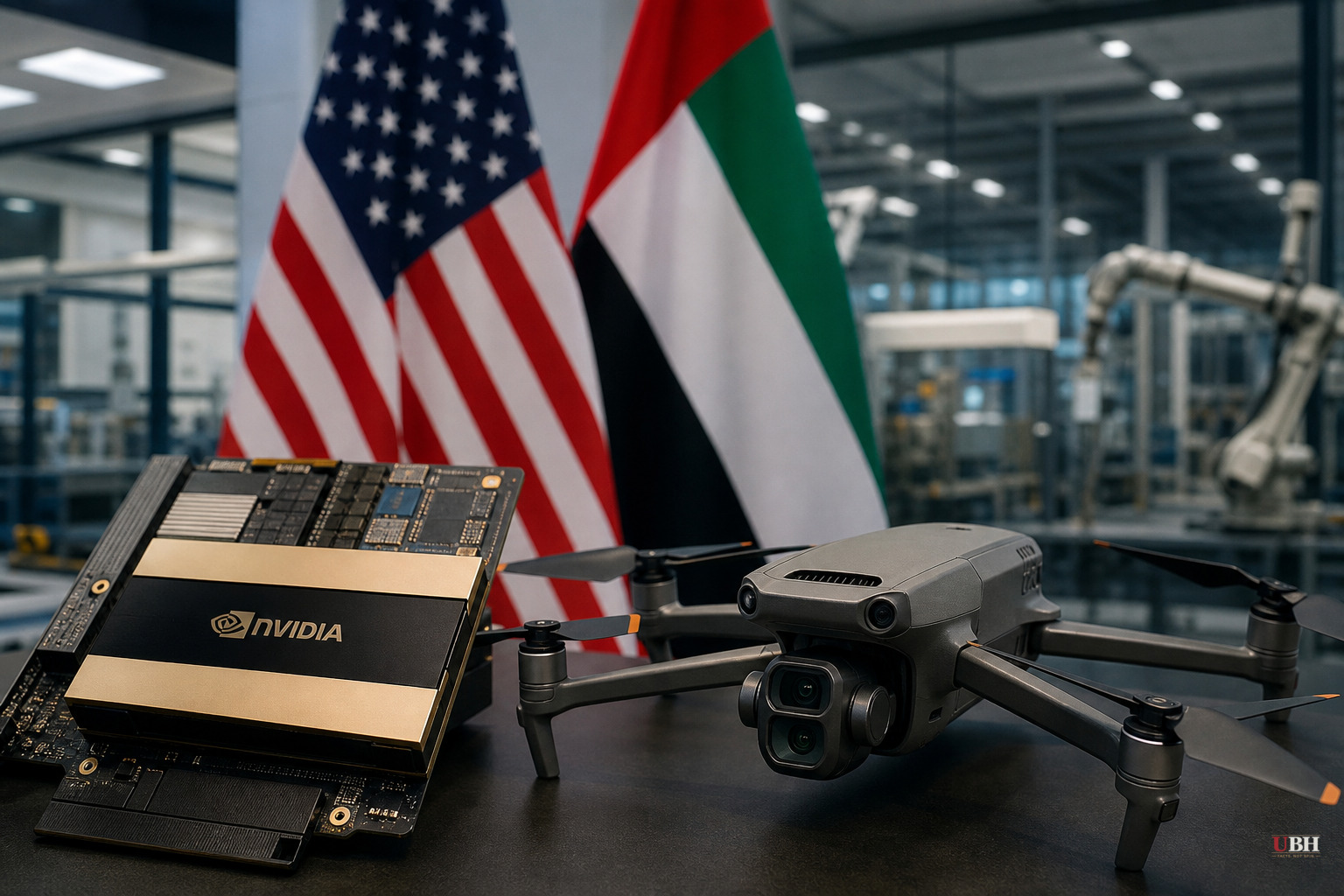
The US just handed the United Arab Emirates a major upgrade in trust, and it comes with billions of dollars on the table.
On July 10, the Commerce Department's Bureau of Industry and Security moved the UAE into Export Administration Regulations Country Group A:5, the most favorable classification a country can get for buying American technology. The UAE is the first Arab nation to reach that tier and only the second in the Middle East after Israel, according to Breaking Defense.
At the same time, BIS pulled the UAE out of Country Groups D:3 and D:4, categories that had restricted sensitive exports. That single change, BIS said, will eliminate restrictions on support for the UAE's drone programs.
What Actually Changes
This is a Commerce Department action, not a State Department one. That distinction matters. Major weapons deals, like the long-stalled F-35 sale to the UAE and MQ-9 Reaper drone exports, run through the State Department's International Traffic in Arms Regulations. Those deals aren't touched by this move, according to analysts who spoke with Breaking Defense.
What does change is dual-use technology. Computer chips, software, technical data and other items with both civilian and military applications can now move to the UAE without the individual export licenses that used to take months, according to the law firm Dentons, which tracks the regulatory changes closely.
"They'll have much cleaner and easier access to dual-use technology and other technologies with defense implications," Michael Horowitz, a former senior Pentagon official who now teaches at the University of Pennsylvania, told Breaking Defense.
Kristian Alexander, a UAE-based geopolitical analyst, told Breaking Defense the impact isn't one splashy weapons sale. It's the plumbing. "It is the creation of a more permissive regulatory environment for the routine movement of controlled components, software, technical data and dual-use equipment," Alexander said, adding it should shorten procurement timelines and ease sustainment.
Dentons noted the changes hit defense, aerospace, AI, advanced computing, energy, desalination, civil nuclear, semiconductor and infrastructure sectors. The firm also flagged a catch: private UAE businesses that want to use the new license-free pathways still have to proactively get themselves onto a BIS list of authorized recipients. This isn't a blanket free-for-all.
The AI Chip Angle
BIS explicitly tied the decision to "the UAE's status as a U.S. Major Defense Partner and its support in advancing U.S. national security interests, including Operation Epic Fury," the agency said in its announcement.
The Jerusalem Post reported the practical effect includes freer access to AI chips and servers. G42, the UAE's dominant AI company, run by Sheikh Tahnoon bin Zayed Al Nahyan, the brother of the UAE's president and the country's national security adviser, will reportedly be able to buy chips from companies like Nvidia without the licensing delays that previously applied, for at least the next nine months, according to the Jerusalem Post.
The change also removes hurdles for US companies including Microsoft and OpenAI that have data center plans in the UAE, the Wall Street Journal reported, as cited by the Jerusalem Post. Experts told the Journal the chip access shift alone could be worth billions of dollars.
In return, BIS said the UAE has committed to matching investments in US AI digital infrastructure. UAE officials also indicated G42 plans to restructure into a US company, primarily owned by US investors, according to people familiar with the discussions cited by the Journal.
The Pushback
Not everyone is comfortable with this. Michael Sobolik, a senior fellow at the Hudson Institute, a conservative think tank, told the Journal, as cited by the Jerusalem Post, "The UAE has been a great partner with the US, but that doesn't necessarily mean they've demonstrated the capability to keep a data center secure."
That's a legitimate concern. Handing advanced computing power to a foreign government, even a close partner, raises real questions about whether that hardware and the data running through it can be secured against Chinese or Iranian intelligence penetration, especially given the UAE's own commercial and diplomatic relationships with Beijing and Tehran. No source here alleges an actual breach has occurred.
Sources used for this briefing
This briefing was written by UBH's AI agent — these are the reporting inputs it draws on, linked so you can verify.


