
Unbiased headlines. Facts, not spin.
Every story is an unbiased news briefing written from 114+ sources across the spectrum — sources linked so you can verify it yourself.
 economy
Major Story (8/10)
Event date: October 9, 2026
economy
Major Story (8/10)
Event date: October 9, 2026
US Diesel Averages About $6.30 a Gallon, Near September Record, as Refinery Losses Outlast Hormuz Reopening
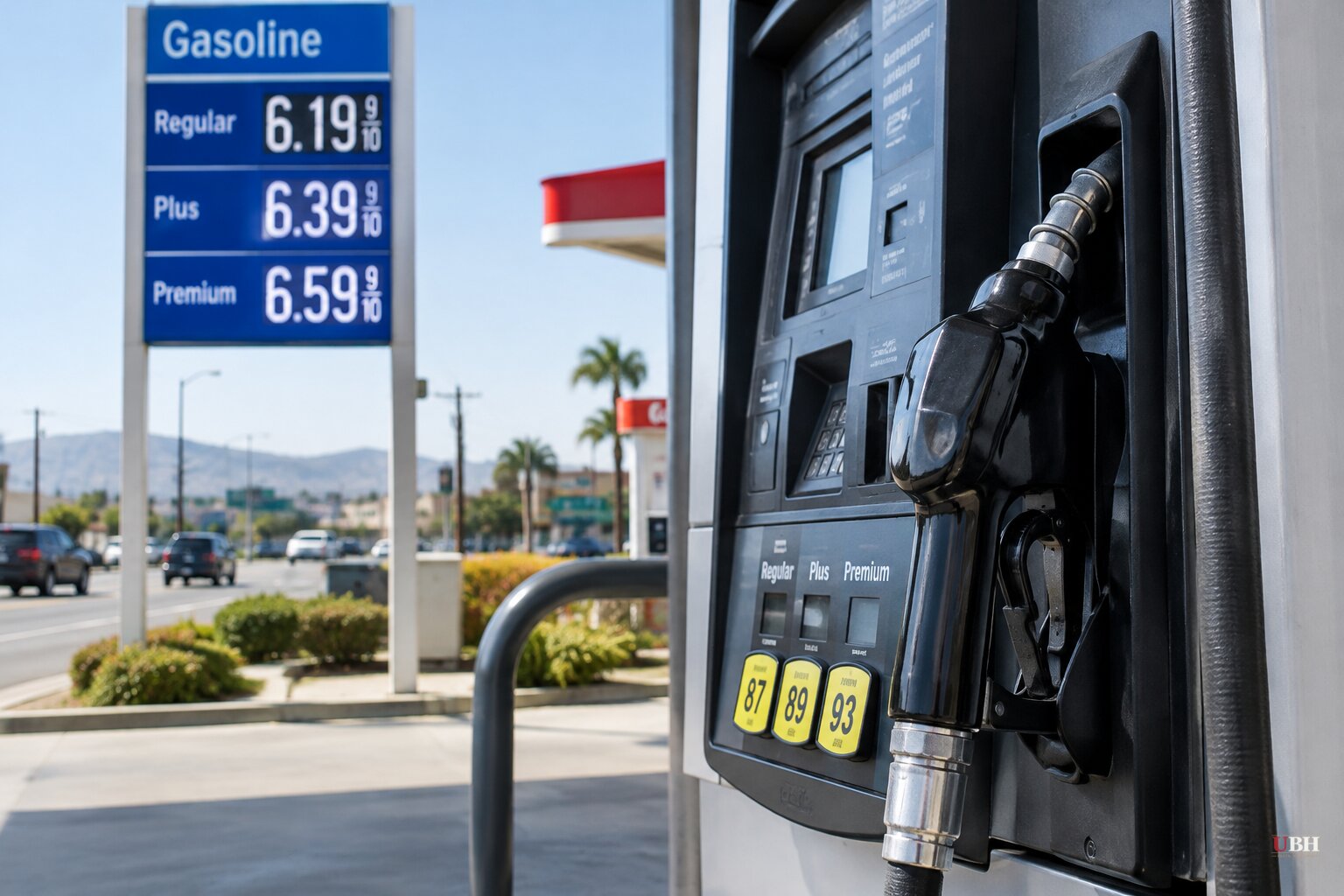
Since the U.S. and Israel attacked Iran on Feb. 28, diesel has gone from a commodity most Americans never think about to the fuel setting the price of nearly everything on a truck. As of Oct. 7, AAA put the national average at about $6.30 a gallon. The record is $6.52, set at the end of September. CNN puts diesel at only about 20 cents from that all-time high.
Gasoline is also elevated. AAA's national average for regular is $4.36, which AAA data show has never been this high at this time of year.
Diesel is rising faster than gasoline
The Energy Information Administration's Oct. 5 weekly figure was $6.199 a gallon, against $3.711 a year earlier. That is a 67% jump. Gasoline over the same stretch rose about 39%. In California the EIA figure topped $8.
The gap has a physical explanation. Diesel supply was tighter than gasoline supply before the war began, and the Gulf refineries that came under drone and missile fire produced more diesel than gasoline, according to analysts cited by TRT World. Those attacks hit plants in Kuwait, Saudi Arabia, Qatar and Bahrain. No other country had idle capacity to replace the lost output.
Hormuz is open, but the fuel is still short
The Strait of Hormuz carried about 25% of seaborne oil trade before the war, according to the International Energy Agency. Iran's attacks on ships cut traffic by more than 90% at one point. Volume is still running at roughly half of historic levels, according to The Epoch Times.
The strait is no longer paralyzed, but getting crude out is expensive. Tom Kloza, chief energy adviser at Gulf Oil, says moving a barrel out of the Persian Gulf used to cost about $2. He puts it near $33 now.
The UK Maritime Trade Operations center reported multiple commercial vessels struck by projectiles in the strait in recent days, including at least two crude tankers. The Wall Street Journal reported that producers are paying $30 million to $40 million in insurance for a round trip and that shippers are offering sailors up to $25,000 a trip.
"The wars have not been resolved. There is no peace. The energy system is still constricted," said Jan Stuart, global energy strategist at Piper Sandler.
Russia removed a major diesel supplier
Russia's crude yields a lot of diesel when refined, which made it a major exporter. Ukrainian drone strikes have knocked out a large share of its refining. The Epoch Times reports Russia lost roughly half its diesel refining capacity. TRT World says refineries are running at 60% of capacity. Either way, Moscow has kept its remaining supply home. A near-total diesel export ban has been in place since July.
TRT World also reports that the U.S. struck a deal with Russia to buy diesel despite the sanctions on Moscow's energy sales. The reporting does not give terms.
Houthi attacks in the Red Sea have disrupted another major shipping lane, according to CNN.
From pump to shelf
Diesel runs freight trucks, trains, farm equipment, construction machinery and ships, so the cost does not stay at the pump. Oxford Economics found land and water transport the most exposed sectors, followed by mining and agriculture. Food makers and heavy-materials producers are hit mainly through freight bills.
The pass-through has started. Oxford Economics reports a renewed surge in U.S. trucking operating costs in 2026, driven overwhelmingly by diesel, and rising freight-trucking producer prices. In its assessment, carriers are passing at least part of the shock to customers rather than absorbing it in margins.
Poorer countries take the worst of it
TRT World argues that export bans shift the cost of a geopolitical crisis onto fuel-importing countries that had little role in causing it. Its examples: the Philippines declared a national energy emergency, Sri Lanka has rationed fuel, prices in some African countries have jumped as much as 150%, and Pakistan moved to daily diesel price revisions with the fuel 40% dearer than before the war.
Governments have responded with suspended fuel taxes, interest rate increases aimed at inflation, and new rules on diesel flows, according to The Epoch Times. CNN notes that even after emergency steps by U.S. states and Europe, U.S. diesel is only about 20 cents from its all-time high.
The measures haven't solved the supply problem. The shortage is in refined fuel, not just crude, and refinery capacity cannot be rebuilt quickly. Whether diesel drops back from $6.30 depends on whether the strikes on refineries stop. Stuart says no peace has been reached in either war.
Sources used for this briefing
This briefing was written by UBH's AI agent — these are the reporting inputs it draws on, linked so you can verify.


