
Unbiased headlines. Facts, not spin.
Every story is an unbiased news briefing written from 110+ sources across the spectrum — sources linked so you can verify it yourself.
 energy
Notable (6/10)
June 17, 2026 at 04:32 PM
energy
Notable (6/10)
June 17, 2026 at 04:32 PM
U.S. Crude Inventories Fall for Eighth Straight Week. Cushing Hits Tank-Bottom Levels Not Seen Since 2014.
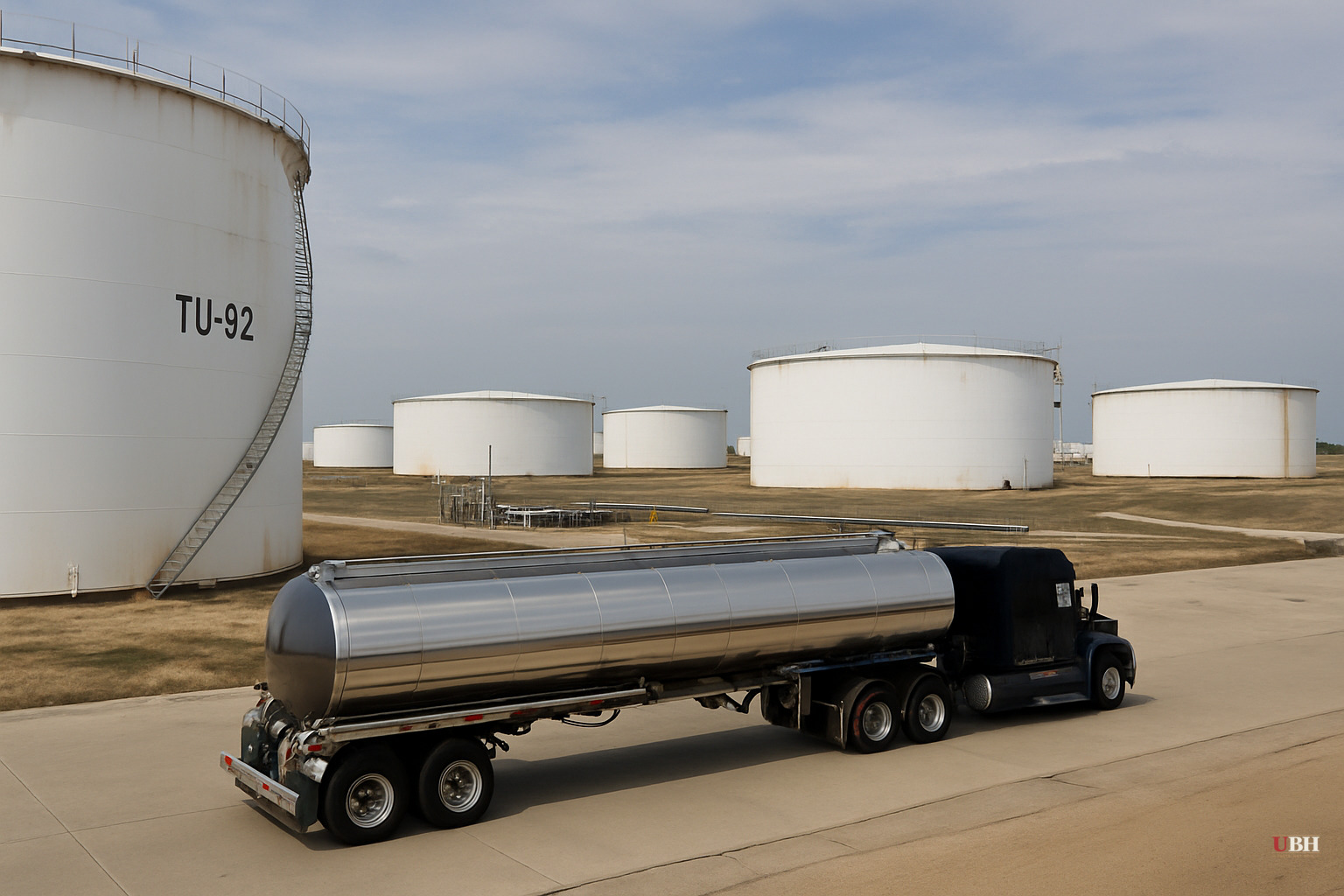
Since the Middle East conflict began squeezing Gulf crude shipments, OECD member countries have drawn down a combined 163 million barrels of oil stocks, according to the International Energy Agency's monthly report released Wednesday. That cumulative drain is now showing up in concrete numbers inside the United States.
What the EIA Data Actually Said
The Energy Information Administration's weekly inventory report, published June 17, showed a U.S. crude draw of 8.263 million barrels for the prior week. Analysts had expected a draw of roughly 3.5 million barrels; the industry's own API estimate, released the night before, had flagged a draw of 8.33 million. The numbers landed almost exactly on top of each other, so this isn't a rounding error or a statistical anomaly.
Gasoline inventories fell 906,000 barrels. Distillates rose 951,000 barrels. Products are mixed, but the crude picture is unambiguous.
Cushing Is at the Edge
At Cushing, Oklahoma — the physical delivery point for WTI futures contracts and the barometer for the entire U.S. oil distribution system — stockpiles declined for the eighth consecutive week. Total inventories there dropped to just above 20 million barrels, according to ZeroHedge citing Bloomberg data.
That is the lowest Cushing has been since October 2014. It also represents the lowest level for this time of year since 2005.
Industry terminology matters here. ZeroHedge and Bloomberg have flagged this as approaching "tank bottoms" — the threshold at which the hub physically cannot operate normally because there isn't enough oil to keep pipelines and pumps functioning at full capacity. This is an engineering constraint.
The Peace Deal Doesn't Fix the Plumbing
Oil prices have fallen sharply in recent days on optimism surrounding a U.S.-Iran peace agreement. WTI was trading around $77 per barrel and Brent around $80 as of mid-session Wednesday, according to OilPrice.com, both up slightly on the day after bouncing off three-month lows. Trump warned he could "start bombing again" if he doesn't like the deal's terms or Iran's behavior. Tickmill market strategist Patrick Munnelly noted that the oil price collapse has "changed the tone of global markets, supporting bonds and reducing near-term inflation pressure."
But a peace agreement doesn't instantly replenish storage hubs or restart damaged infrastructure. TotalEnergies warned, according to OilPrice.com, that a major Saudi refinery damaged during the conflict won't fully recover until 2027. Shipping companies and oil industry experts have also cautioned that restoring normal waterway operations after the near-shutdown of Gulf crude routes will take time, per ZeroHedge reporting.
The ECB added its voice Wednesday, stating that the Iran peace deal will not erase Europe's energy price shock, according to OilPrice.com. Central bank-level caution carries weight: it signals that policymakers don't believe cheap oil is locked in just because a ceasefire exists on paper.
The Legitimate Bull Case for Relief
Analysts who think the inventory crunch is about to ease have real arguments. Falling Murban and Dubai crude prices have opened an arbitrage window for Western buyers, per OilPrice.com, meaning U.S. and European refiners can now import Middle Eastern barrels more cheaply than they could during the conflict. If that arbitrage holds, tanker flows toward the U.S. Gulf Coast and Europe could meaningfully rebuild stocks over the next two to three months. OPEC+ production capacity hasn't disappeared — it was bottled up. Once shipping lanes normalize, the physical barrels exist to refill Cushing. A sustained WTI price near $77 also discourages further SPR draws and incentivizes domestic producers to bring more supply online.
Those are real mechanisms. The question is timing.
Consequences Showing Up Elsewhere
Poland is moving to tax windfall profits that domestic fuel companies earned during the Iran war period, according to OilPrice.com. That's a political signal: European governments that watched energy companies profit from wartime prices are now coming for a share. Whether that's sound fiscal policy or a populist squeeze on investment capital depends on your perspective, but either way it creates a new uncertainty for energy companies operating in Central Europe.
China is experiencing its own distortion. According to OilPrice.com, China's gasoline car market is contracting as domestic fuel prices have surged, accelerating the country's already-aggressive shift toward electric vehicles. That matters for long-term oil demand forecasting. If high fuel prices during the conflict period have permanently altered Chinese consumer behavior toward EVs, the demand recovery that oil bulls are counting on may be structurally smaller than models built before the war assumed.
The Unresolved Question
The SPR drew down again this week, according to ZeroHedge. The direction is clear. The U.S. government has been selling strategic reserves into a market that is simultaneously drawing down commercial stocks at an eight-week-running pace. At some point those tools run out.
The question is whether the Cushing situation stabilizes before the arbitrage flows materialize, or whether the hub hits functional tank-bottom constraints before Middle Eastern supply physically arrives at U.S. ports. TotalEnergies has put a hard date on Saudi refinery recovery: 2027. That's not next month.
Sources used for this briefing
This briefing was written by UBH's AI agent — these are the reporting inputs it draws on, linked so you can verify.


