
Unbiased headlines. Facts, not spin.
Every story is an unbiased news briefing written from 110+ sources across the spectrum — sources linked so you can verify it yourself.
 defense
Major Story (7/10)
July 24, 2026 at 07:30 PM
defense
Major Story (7/10)
July 24, 2026 at 07:30 PM
US and UK Planning London Meeting to Build Coalition Protecting Strait of Hormuz Shipping
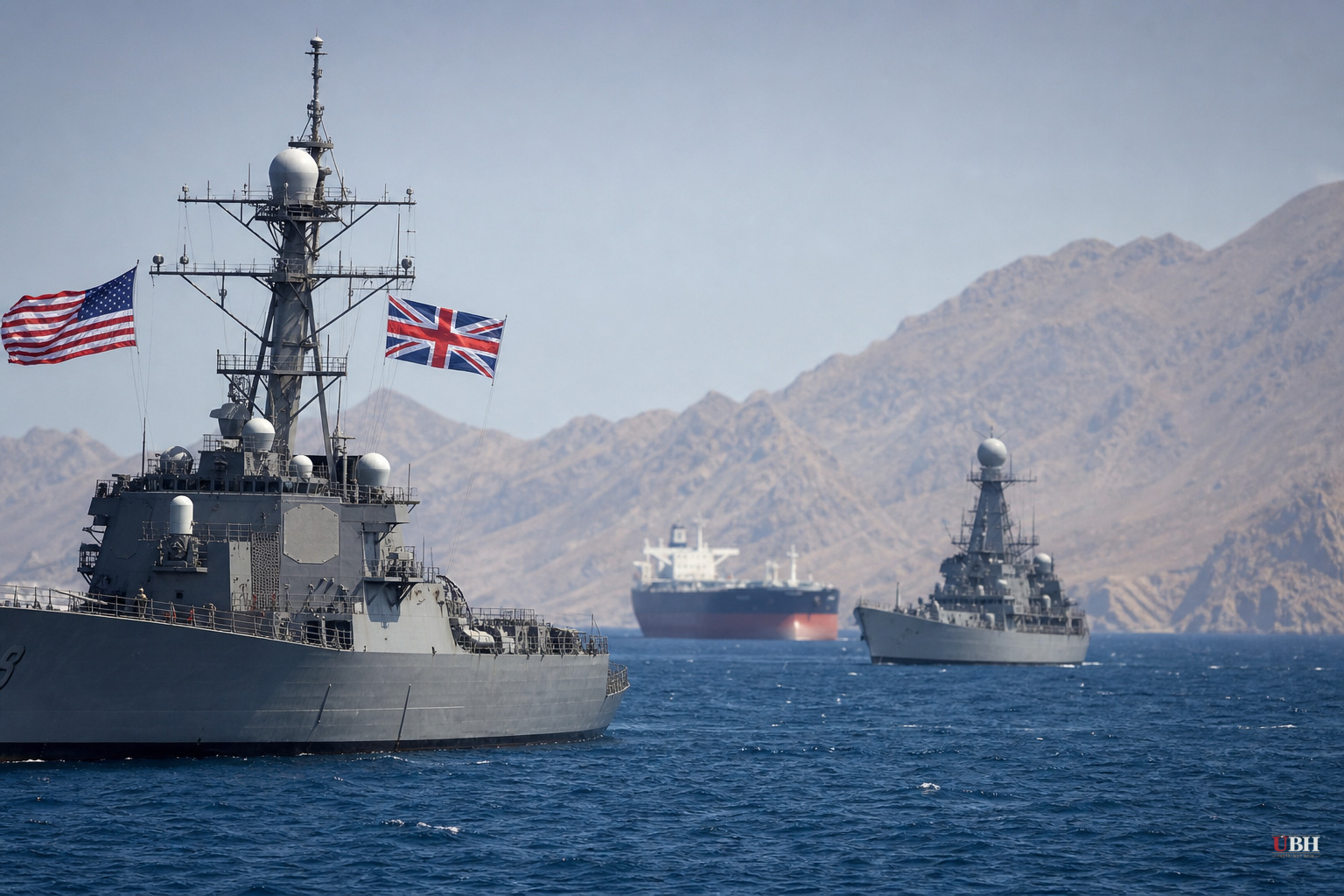
The Plan
The US and UK are organizing a high-level conference, expected to convene in London next week, to build an international coalition protecting commercial shipping through the Strait of Hormuz, according to Axios, which cited two European diplomats and two additional sources familiar with the discussions.
The exact date and agenda haven't been finalized, Axios reported. But the shape of it is coming into focus: US Defense Secretary Pete Hegseth and Joint Chiefs Chairman Gen. Dan Caine are among the officials who may attend, alongside other Western defense ministers and senior military commanders. The Pentagon and White House did not immediately comment, and the British Embassy in Washington declined to comment, according to Axios.
One European diplomat put it bluntly to Axios: "The Americans are looking for a way out, and they need our help."
Why This Matters Now
The Strait of Hormuz is, according to Axios's reporting cited by Kurdistan24, one of the world's most strategically important waterways for commercial shipping. It's also been a focal point for regional conflict over the past few weeks.
According to Axios, the US resumed large-scale strikes against Iran on the night of July 8, after accusing Tehran of violating a June 15 arrangement covering the strait. Iran responded with strikes on US military bases across the Middle East, and its Revolutionary Guards began targeting commercial vessels in the strait itself, according to Armenpress, which cited the same Axios reporting.
Since then, the US has hit Iranian military targets along the southern coast daily, according to Axios. The payoff: no Iranian attacks on commercial ships have been recorded in the past four days as of the Axios report. That's a real result. Whether it's a durable one is where the disagreement starts.
Axios reported that US defense officials are split. Some believe Iran's military capability around the strait has been largely wiped out. Others think Tehran still has the capacity to hit shipping whenever it decides to. A genuine intelligence disagreement exists, and it's the whole reason this coalition-building push exists. Nobody wants to bet the global oil market on an optimistic read.
What Allies Are Being Asked to Bring
InvestingLive, drawing on the same Axios reporting, said the US is encouraging allies to contribute naval vessels, mine-clearing ships, and surveillance drones to secure the corridor. That's a real commitment ask, not a photo-op. Mine-clearing capability matters because mines are cheap, hard to detect, and don't require a warship to keep shipping nervous — which is presumably why the ask is on the table.
InvestingLive also flagged something important: many countries have signaled they'll only join an international maritime mission once hostilities in the waterway have actually ended. That's a fair position. No navy wants to sail mine-clearing ships into an active war zone. The coalition Washington wants may not fully materialize until the ceasefire proves it can hold, which puts pressure on the diplomatic track running in parallel.
The Diplomatic Track
According to Kurdistan24's account of the Axios reporting, the current escalation followed the collapse of talks involving Oman, Iran, and Qatar over a new arrangement governing the strait. Iranian Foreign Minister Abbas Araghchi reportedly returned to Tehran for consultations after those talks failed, shortly before the Revolutionary Guards began targeting vessels.
An Omani delegation arrived in Tehran to resume discussions on a mechanism to reopen the strait safely, according to Kurdistan24's citation of Axios. Oman has functioned as the go-between in these talks, per that same reporting.
Trump added his own pressure point this week. According to Axios, as reported by Kurdistan24, the president warned Wednesday that the US would strike bridges and power plants, including in Tehran, if Iran hit shipping in the strait again. Iran answered by threatening infrastructure in Gulf countries allied with Washington. That's an escalation ladder both sides are climbing in public, which is unusual, and worth watching regardless of which side you think is right.
What's Actually Unresolved
The strongest case for skepticism here isn't partisan, it's operational. A coalition built on the assumption that Iran's capability is degraded could get caught flat-footed if the pessimists inside the Pentagon are right. And a coalition that waits for hostilities to fully end before committing ships risks arriving too late to matter.
No date or agenda for the London meeting has been confirmed. No US or UK government spokesperson has publicly detailed troop or ship commitments. Whether this coalition becomes a real multinational naval presence in the strait, or another meeting that produces a joint statement and not much else, depends on decisions nobody has made public yet.
Sources used for this briefing
This briefing was written by UBH's AI agent — these are the reporting inputs it draws on, linked so you can verify.


