
Unbiased headlines. Facts, not spin.
Every story is an unbiased news briefing written from 110+ sources across the spectrum — sources linked so you can verify it yourself.
 energy
Major Story (7/10)
July 9, 2026 at 05:18 AM
energy
Major Story (7/10)
July 9, 2026 at 05:18 AM
U.S. Airlines Paid 85% More for Jet Fuel in May as Strait of Hormuz Disruptions Compound Costs
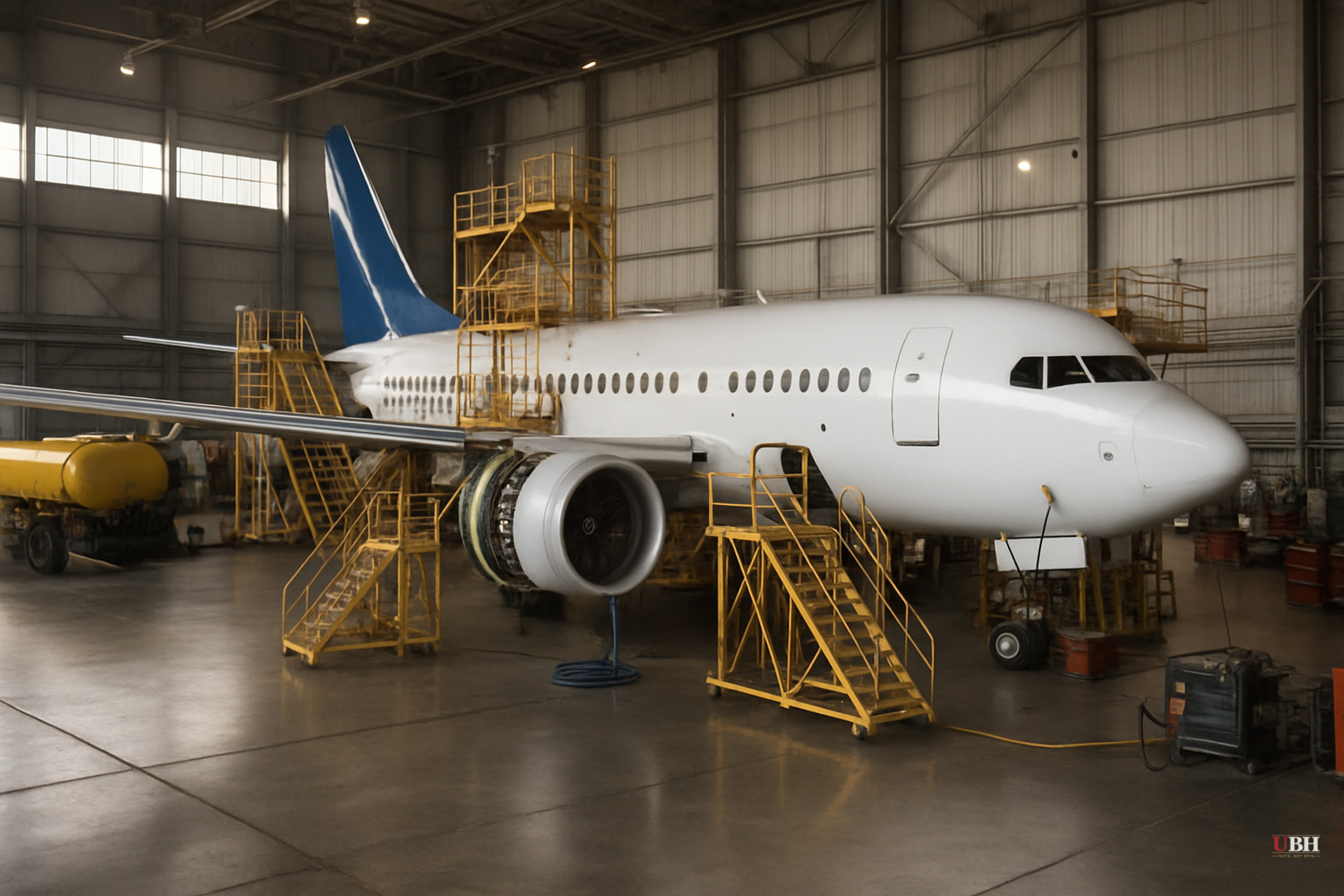
$6.66 Billion in One Month
U.S. airlines spent $6.66 billion on jet fuel in May 2026, the second consecutive month fuel costs cleared the $6 billion mark, according to government data released Tuesday by the Bureau of Transportation Statistics.
April's bill was $6.47 billion. Together, the two months represent a sustained shock that the industry hasn't absorbed yet.
The driver isn't how much fuel carriers are burning. U.S. airlines consumed 1.627 billion gallons in May, down 0.6% from May 2025. Consumption in April was also slightly lower year over year. Airlines are flying less, not more, and they're still paying far more.
The Price Is the Problem
The average price U.S. carriers paid in May was $4.09 per gallon, down slightly from $4.11 in April, but 85% higher than the $2.21 per gallon they paid in May 2025, according to the Bureau of Transportation Statistics.
That represents a near-doubling of one of the airline industry's largest operating line items in twelve months.
The cause is traceable to a specific date. The sharp rise in energy costs began after the United States and Israel struck Iran on February 28, disrupting shipping through the Strait of Hormuz, a chokepoint for global crude and fuel supplies. That disruption has reverberated through every airline's P&L since.
Industry Response: Higher Fares, Fewer Flights
Airlines worldwide have responded the way any business would: by raising fares and fees, and trimming schedules to cut consumption where possible. Fuel is typically one of the largest operating costs in aviation, leaving carriers structurally exposed to energy price swings in ways most industries are not.
The fare increases hit passengers directly. There is no buffer here. The cost goes through.
Some Relief, But the Truce Is Shaky
Fuel prices have pulled back from their spring peak. The U.S. and Iran reached an interim ceasefire agreement that allowed some Iranian oil to flow again, and the Argus U.S. Jet Fuel Index showed the average price across major airline hubs — Chicago, Houston, Los Angeles, and New York — at $2.88 per gallon as of Tuesday. Prices fell below $3 a gallon on June 15 for the first time since early March and have stayed there.
On Tuesday, the same day the Bureau of Transportation Statistics released the May data, the British military reported that three tankers were struck by projectiles in the Strait of Hormuz. The U.S. also revoked a license that had permitted Iranian oil sales under the ceasefire agreement. Both developments signal the truce is under real pressure.
The Case for Patience
The May data is already six weeks old, and the price picture has improved materially since then. Jet fuel at $2.88 a gallon is a very different operating environment than $4.09 a gallon. If the ceasefire holds and Hormuz shipping normalizes, carriers have a credible path back toward manageable fuel economics.
Delta Air Lines is scheduled to report its second-quarter financial results on Friday, according to the LA Times and WRAL, kicking off a wave of earnings disclosures from U.S. carriers. Executives are expected to address how the June price decline affects their forward outlook. If their guidance reflects the current spot price rather than the spring average, the second-half picture may look considerably better than the May figures suggest.
The Unresolved Question
The problem is that none of that holds if the Strait of Hormuz becomes active again. Tuesday's tanker strikes and the license revocation came hours apart, and neither is reassuring. The U.S.-Iran ceasefire was always described as interim, and the mechanism for it to collapse appears intact.
Delta's earnings call Friday will be the first real data point on how much of the spring fuel cost increase actually hit carriers' bottom lines versus how much was passed to passengers through fare hikes, and whether executives believe the current $2.88 spot price is durable enough to build forward guidance around. That answer will matter to every airline that follows Delta to the earnings table.
Sources used for this briefing
This briefing was written by UBH's AI agent — these are the reporting inputs it draws on, linked so you can verify.


