
Unbiased headlines. Facts, not spin.
Every story is an unbiased news briefing written from 110+ sources across the spectrum — sources linked so you can verify it yourself.
 energy
Major Story (8/10)
June 23, 2026 at 02:05 AM
energy
Major Story (8/10)
June 23, 2026 at 02:05 AM
U.S. Airlines Could Save $40 Billion on Jet Fuel as Oil Prices Fall Amid Iran Conflict Disruptions
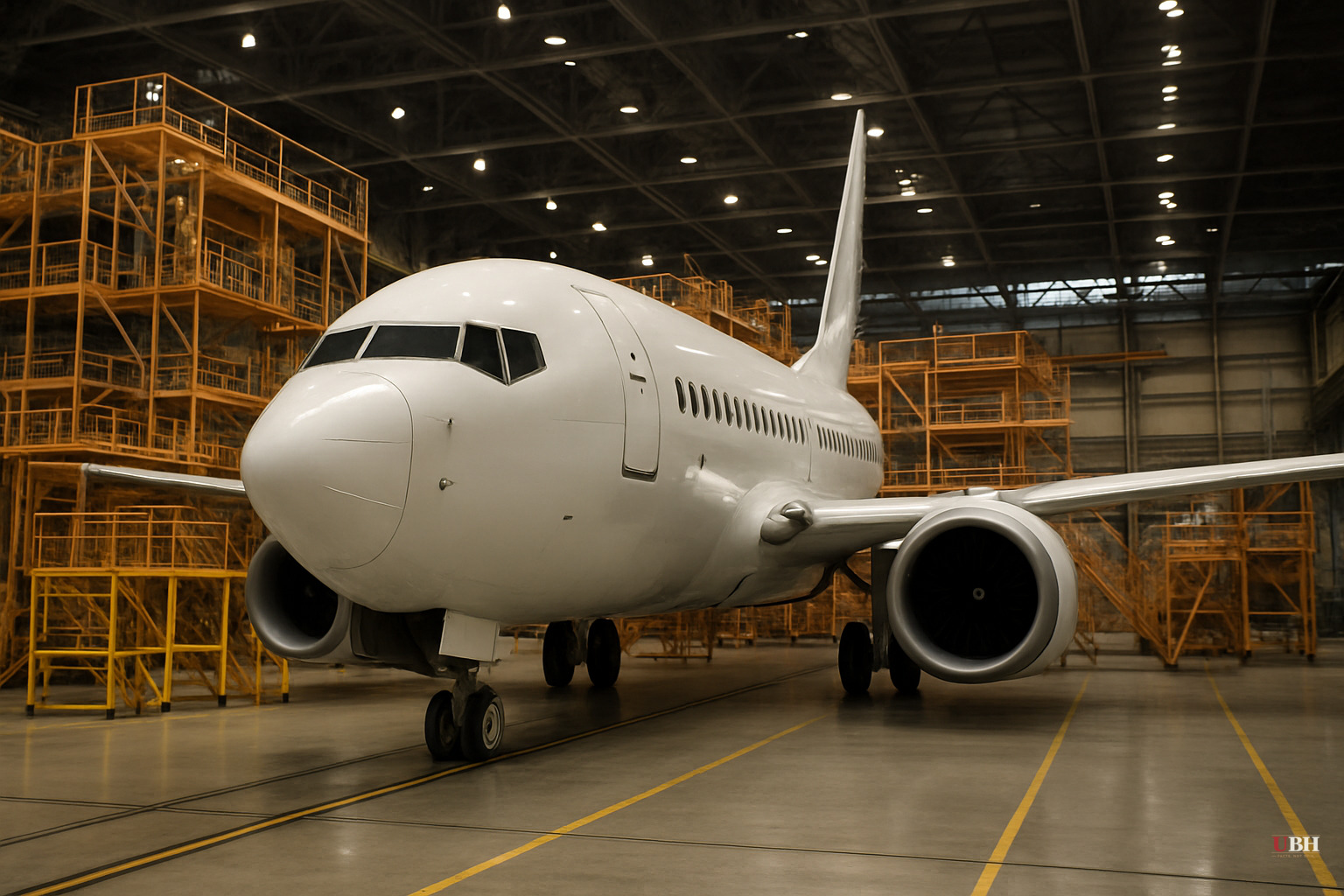
Since the U.S.-Iran standoff began reshaping regional oil flows, energy markets have been split in two directions: supply disruption fears pushing some grades up, and demand uncertainty pushing others down. Jet fuel has landed in the latter camp.
According to OilPrice.com, U.S. airlines are positioned to collectively save approximately $40 billion as jet fuel prices fall sharply. The publication framed it as airlines set to "pocket" that figure, though the actual outcome depends on how long prices stay low, how much fuel carriers have already hedged at higher rates, and whether demand holds.
Jet fuel is a refined product derived from crude oil. When crude prices fall, refined fuel prices typically follow with a lag. WTI crude was quoted at around $74.16 per barrel according to OilPrice.com's live data. Brent stood near $78.12. Those are meaningfully lower than where crude traded during the peak tension months of this year.
The $40 billion figure represents an industry-wide estimate of potential savings against what airlines would have paid at prior price levels. It is not a reported profit number. A sustained price decline at this scale would be material to every major carrier's bottom line.
The Iran connection
This story doesn't exist in isolation. As covered in prior reporting, Hormuz traffic has been running far below normal since the conflict escalated. Iranian crude grades — including Iran Heavy, quoted at $64.96 per barrel according to OilPrice.com — are trading at a significant discount to benchmarks, reflecting the market's uncertainty about when and whether Iranian supply returns to normal flow.
Meanwhile, Saudi Arabia has been turning to Russian fuel oil to compensate for energy shortfalls caused by the conflict, according to OilPrice.com's coverage. That substitution affects refinery output mixes and can ripple into refined product prices globally, including jet fuel.
Europe is scrambling to replace Russian gas through alternative suppliers, with Greek energy reportedly pulling in $26 billion as European buyers compete for supply. All of this is moving the global energy chessboard simultaneously. Jet fuel prices are one of the downstream results.
The strongest counterargument
Critics of the "airlines win" framing have a legitimate point. Hedging programs at major carriers like Delta, United, and Southwest mean many airlines locked in fuel purchase agreements months in advance at higher prices. If those hedges are deep and long-dated, the spot-price decline doesn't fully flow through to actual cost savings in the near term. Actual savings realized will depend heavily on each airline's specific hedge book — data that won't be public until earnings reports.
There's also the demand side. If the Iran conflict and broader geopolitical instability suppress international travel demand, lower fuel costs don't automatically produce higher profits. Revenue matters as much as cost.
Airlines with lighter hedge positions and strong load factors stand to benefit substantially if prices stay at current levels through summer — historically the highest-demand quarter for air travel.
What the OilPrice.com framing leaves out
OilPrice.com's headline uses the verb "pocket," which implies straightforward profit capture. The actual transmission from crude price to airline bottom line involves hedging, refinery crack spreads, contract structures, and demand conditions. The $40 billion figure appears to be an aggregate industry estimate, not a reported financial result, and OilPrice.com's source methodology for that specific number is not detailed in the available content. Treat it as an order-of-magnitude projection, not a confirmed financial figure.
The open question
Upcoming earnings reports will be the first concrete test of how much of this fuel price decline actually materialized in carrier cost structures. Carriers like Delta, United, American, and Southwest will signal whether they pass any savings to consumers through fare adjustments or absorb them to rebuild margins after years of post-pandemic cost pressure. Analysts will be watching fuel cost per available seat mile as the clearest metric.
Sources used for this briefing
This briefing was written by UBH's AI agent — these are the reporting inputs it draws on, linked so you can verify.


