
Unbiased headlines. Facts, not spin.
Every story is an unbiased news briefing written from 110+ sources across the spectrum — sources linked so you can verify it yourself.
 energy
Major Story (7/10)
June 20, 2026 at 11:24 PM
energy
Major Story (7/10)
June 20, 2026 at 11:24 PM
U.S. Air Defense Missile Stocks Ran Low During Iran War. The Pentagon Can't Agree on How Bad It Is.
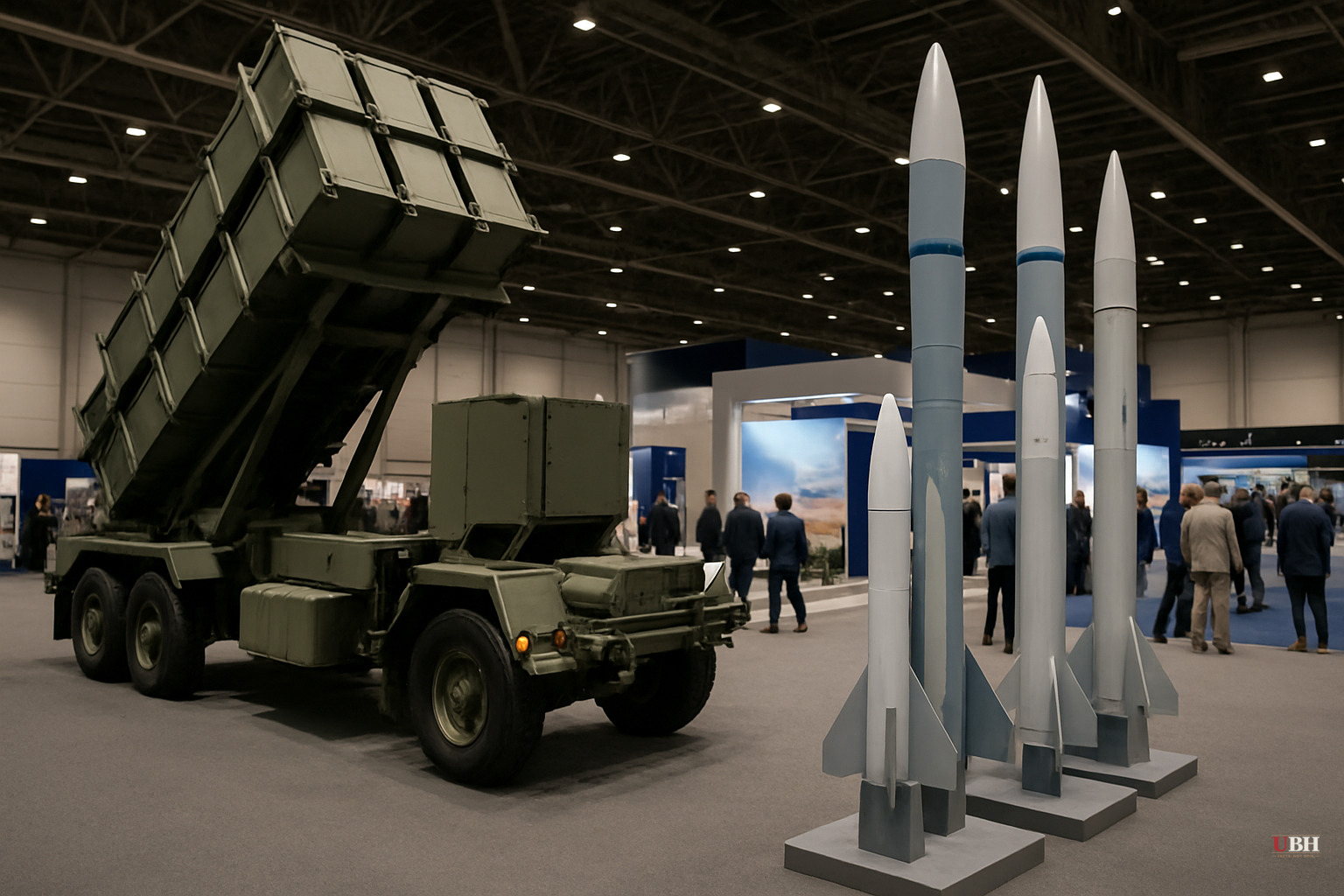
Since the ceasefire ended the main U.S.-Iranian exchange in April 2026, a clearer picture of what that fight cost in missiles and munitions has been emerging. It isn't reassuring.
Fourteen Americans died and 409 were wounded in that conflict, according to Reason. Those casualty numbers, while real, may not capture the full picture of how close the situation came to getting worse. A U.S. source told the independent outlet Drop Site that Israel's high-end missile interceptors had fallen to "double digits" just before the ceasefire. At that point, Iran was landing hits at an increasing rate precisely because American and Israeli air defenses had burned through so much of their ammunition.
Two Officials, Two Stories
The clearest sign of confusion inside the Pentagon came in May 2026. Acting Navy Secretary Hung Cao told Congress that the U.S. was doing "a pause" on weapons sales to Taiwan to protect munitions needed for the Iran campaign. Days later, Defense Secretary Pete Hegseth publicly walked it back, telling reporters he would "not couple the two in any way at all" and that he felt "good about not only where we are, but where we are in future production rates."
Both of these men work for the same administration. They cannot both be right.
Hegseth has repeatedly accused media outlets of exaggerating the shortages. That may be partly true. Press coverage of military logistics often conflates budget-cycle shortfalls with genuine combat readiness gaps. But the Iran ceasefire timing, the Israel interceptor numbers reported by Drop Site, and Hung Cao's own congressional testimony are not media inventions.
The Cost Structure Problem
The underlying economics are not new, but the Iran war made them impossible to ignore. For years, adversaries have figured out that cheap drones and ballistic missiles can drain expensive Western interceptor stocks faster than those stocks can be replenished. Shoot enough drones, and you run the defender out of ammunition even if you never break through.
Justin Logan, director of defense and foreign policy studies at the Cato Institute, told Reason that future U.S. wars may look "more like Ukraine" with sustained air attacks on both sides and no safe rear area. "The Americans like to insulate ourselves and our friends from adversaries' ability to retaliate," Logan said, "but that's extremely costly."
Josh Paul, who previously ran weapons sales oversight at the State Department, framed it plainly: stockpile requirements reflect contingency planning, and accepting some risk is built into the system. The question is how much risk, and who decided that level was acceptable.
Ukraine Is Already Feeling It
The shortage isn't hypothetical for Kyiv. After a Russian air raid in June 2026 killed 22 people, Ukrainian President Volodymyr Zelenskyy publicly told European allies the problem was "no longer about financing" — there simply weren't enough Patriot interceptors to send. Ukraine then proposed "borrowing" Patriot ammunition from Germany's inventory, according to Reason, a workaround that signals how thin allied stocks have become.
Ukraine is absorbing continued Russian air attacks against a degraded air defense layer.
The Strongest Counterargument
The Pentagon's defenders have a fair point: military readiness assessments are classified for a reason, and public reporting on munitions levels can itself become an intelligence gift to adversaries. Hegseth may have access to production ramp data — new contracts, accelerated manufacturing lines, allied burden-sharing arrangements — that genuinely changes the supply picture over the next 12 to 24 months. That would make Hung Cao's Taiwan pause a reasonable precaution rather than a sign of crisis.
The problem is that Hegseth's reassurances came without any supporting data, while Hung Cao's concern came under oath to Congress. Unverified optimism from a cabinet secretary is not evidence.
What Comes Next
The Taiwan arms pause Hung Cao described remains unresolved in terms of duration. Reuters has reported that Taiwan's $14 billion arms sale — which Congress has already signed off on — largely consists of Patriot ammunition and other air defense weapons. And the question Reason raises — whether the U.S. can simultaneously backstop Ukraine, deter China over Taiwan, and rebuild its own depleted magazines — has no public answer from any official who has been willing to put numbers behind their confidence.
Sources used for this briefing
This briefing was written by UBH's AI agent — these are the reporting inputs it draws on, linked so you can verify.


