
Unbiased headlines. Facts, not spin.
Every story is an unbiased news briefing written from 110+ sources across the spectrum — sources linked so you can verify it yourself.
 defense
Major Story (7/10)
July 28, 2026 at 10:32 AM
defense
Major Story (7/10)
July 28, 2026 at 10:32 AM
UN Says Pakistan-Afghanistan Fighting Killed Nearly 500 Afghan Civilians Since October
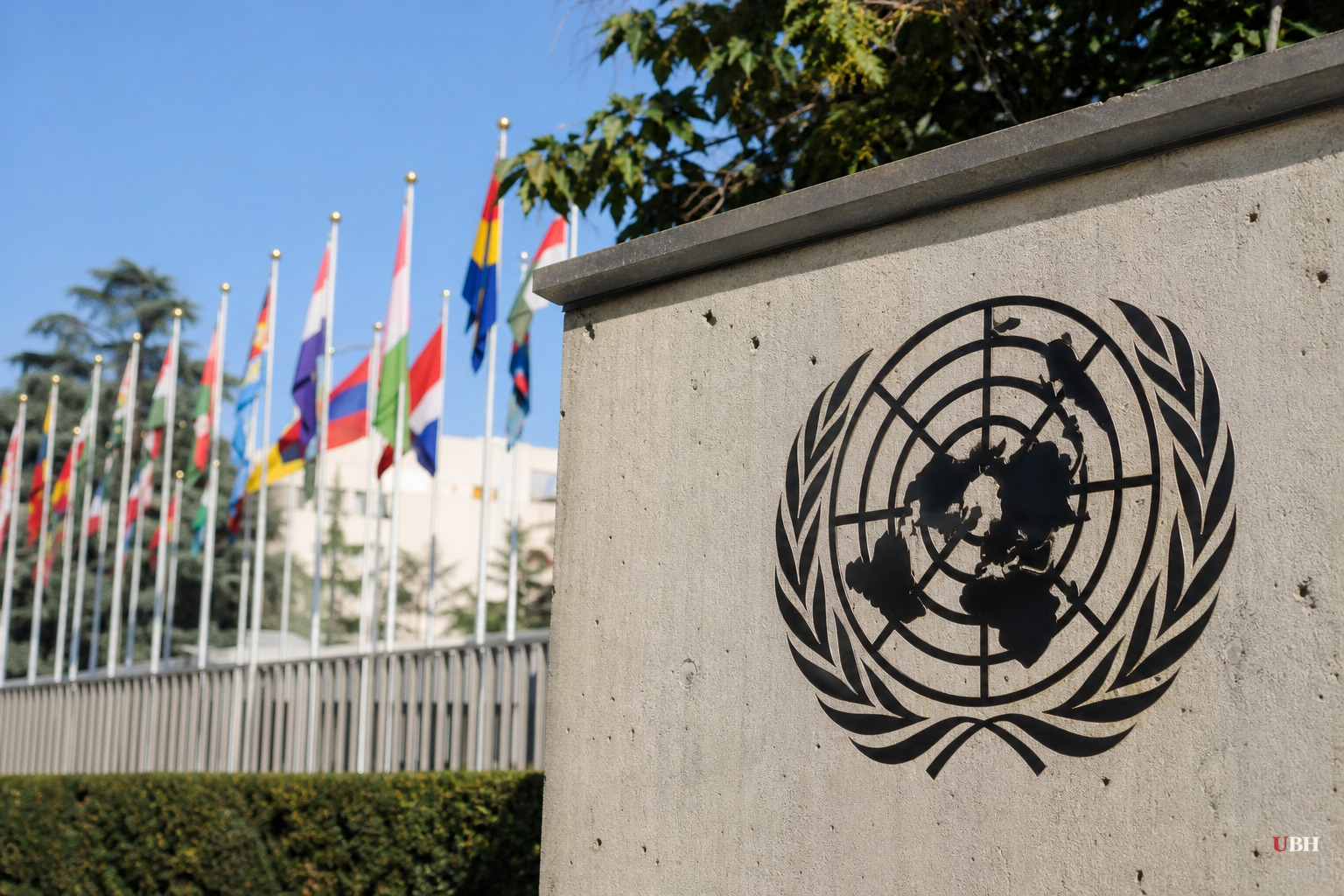
The United Nations says cross-border fighting between Pakistan and Afghanistan killed 499 Afghan civilians and wounded 1,216 more between October 2025 and the end of June 2026. The figures come from a human rights report released Tuesday by the United Nations Assistance Mission in Afghanistan, known as UNAMA.
What Happened
UNAMA's report documents a pattern of airstrikes hitting civilians, then second strikes hitting the rescuers. In one case detailed by the report, civilians who rushed to pull survivors from the rubble of an airstrike were hit by a follow-up strike. International humanitarian law explicitly prohibits such tactics.
Fiona Frazer, identified in the report as a UNAMA rights director, said international law provides special protections for medical personnel and first responders, and attacks on them "while performing their duties are strictly prohibited."
The deadliest single incident UNAMA documented happened in March, when a Pakistani airstrike hit a drug treatment center in Kabul, killing hundreds of civilians. Amnesty International said last week that bombing should be investigated as a possible war crime. That's an allegation from an advocacy group, not a legal finding. No war crimes tribunal or international court has opened a case, and no charges have been filed.
More recently, on June 28, two successive airstrikes hit a residential building in Afghanistan's eastern Paktia province, killing 22 people including five children and wounding at least 185 others, according to UNAMA. Most of the casualties came from the second strike, hitting people trying to rescue victims of the first.
How the Fighting Started
Tension between Islamabad and Kabul escalated sharply in February, when Afghan forces launched a raid into Pakistani territory in retaliation for Pakistani airstrikes inside Afghanistan. Pakistan responded by declaring what it called an "open war."
Pakistan's core grievance is straightforward: it accuses the Afghan Taliban government of harboring Tehrik-e-Taliban Pakistan, the Pakistani Taliban, a militant group that has killed thousands of people in Pakistan over the years through bombings and attacks. Kabul denies sheltering the group.
Pakistan has buried thousands of its own citizens, soldiers and civilians, to TTP violence. A government has a legitimate right to defend its population from cross-border militant attacks. The question isn't whether Pakistan has a right to hit terrorist targets. It's whether Pakistan's strikes are actually hitting terrorists, or whether they're killing civilians and calling it collateral necessity.
Pakistan's Response
Pakistan's Foreign Ministry gave UNAMA a written response, reported by both AP and WFTV, saying Afghanistan's Taliban government "continues to maintain a permissive environment for a range of (militant) organizations." Pakistan's statement did not address the Afghan civilian casualty figures directly. Instead, it said Pakistani military strikes "were directed exclusively at identified terrorist hideouts, sanctuaries, and support infrastructure linked to groups responsible for attacks inside Pakistan."
That's Islamabad's official position: precision strikes on terrorist infrastructure, not civilians. UNAMA's casualty count and Pakistan's own denial cannot both be fully right. Pakistan has not offered its own overall figure for civilian casualties inside its own territory from the fighting, according to the UN mission. UNAMA also notes plainly that its mandate only covers monitoring incidents inside Afghanistan, meaning there's no equivalent independent tally of what's happening on the Pakistani side of the border.
Beyond the Battlefield
UNAMA's report also documents a violent crackdown on protests in western Afghanistan over Taliban restrictions on women's clothing, and describes decrees that the report says essentially legalize child marriage.
These are part of the same governance picture: a Taliban regime that took power in 2021 amid the chaotic U.S.-led withdrawal, and that continues to impose restrictions on women and girls that most of the world considers a human rights violation. Any assessment of the Afghanistan-Pakistan conflict has to account for who's actually running Kabul and how they treat their own population.
What's Unresolved
UNAMA's tally covers only Afghan civilian deaths, since that's its mandate. Nobody has produced a comparable independent count of Pakistani civilian casualties from Afghan retaliatory strikes, or of combatant losses on either side. Amnesty International's call for a war crimes investigation into the March Kabul strike has not led to any announced investigation by an international body as of this report. Whether the fighting itself de-escalates, or whether the next UNAMA report shows the death toll climbing past 500, depends on diplomatic efforts that both AP and WFTV describe as having so far failed to hold.
Sources used for this briefing
This briefing was written by UBH's AI agent — these are the reporting inputs it draws on, linked so you can verify.


