
Unbiased headlines. Facts, not spin.
Unbiased Headlines is an independently owned news organization. We bring you the facts, not opinions, written fresh from 110+ named sources. Sources linked so you can verify it yourself.
 defense
Major Story (7/10)
defense
Major Story (7/10)
UN Report: $50 Million Ransom From UAE Bankrolled Al Qaeda's Biggest Mali Offensive in 14 Years
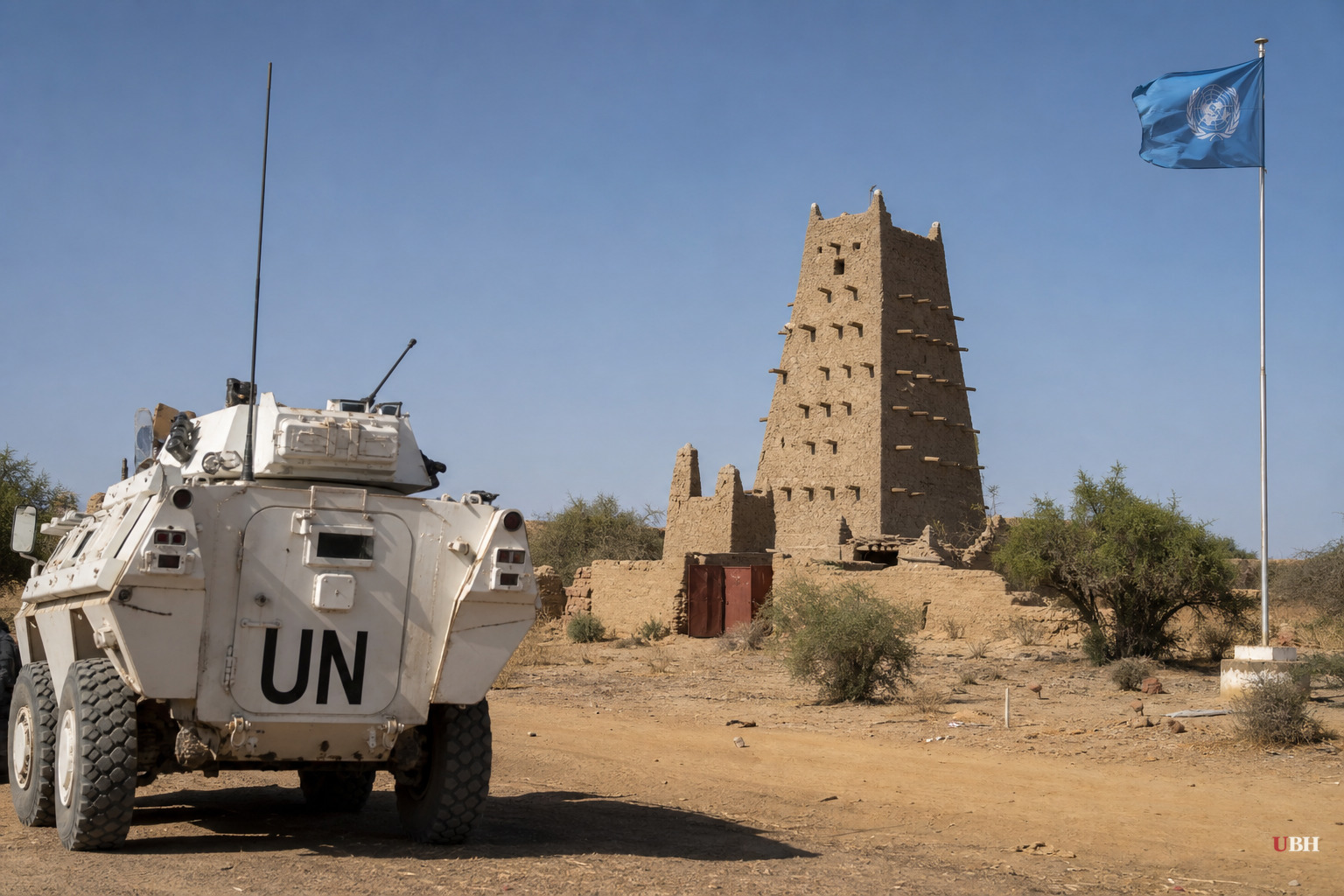
A single ransom payment, estimated at $50 million, helped fund the largest jihadist offensive Mali has seen in 14 years, according to a United Nations monitoring team report dated August 10 and posted to the UN website the following day.
The report doesn't name the hostage or the country that paid. But three regional sources told Reuters the payer was the United Arab Emirates, and that the hostage was an Emirati citizen. The Globe and Mail reported the hostage was widely identified as a UAE royal family member involved in the gold trade. Two additional foreign hostages, one from Pakistan and one from Iran, were also freed in connection with the deal, according to regional security sources, though no details on their ransom arrangements were disclosed.
A UAE official, responding to Reuters, did not address the specifics of the kidnapping or any payment. The official said the UAE remains "unwavering in condemning and countering extremism and terrorism" and pointed to the country's counter-terrorism cooperation and efforts to cut off extremist financing. The UAE has not confirmed a ransom was paid, and no government body has charged the UAE with wrongdoing. This is an allegation from regional sources, not a proven fact.
Where the money went
According to the UN report, most of the cash flowed to fighters in the Sahel region. Some of it also reached al Qaeda in the Arabian Peninsula, the group's Yemen affiliate, and core al Qaeda leadership believed to be based in Iran or Afghanistan, per Reuters. The report was presented behind closed doors to the UN sanctions committee last week, according to a source with direct knowledge of the briefing.
The group that benefited most is JNIM, Jama'at Nusrat al-Islam wal-Muslimin, al Qaeda's West Africa affiliate. The UN report estimates JNIM has between 7,000 and 8,000 fighters spread across the Sahel, with roughly half based in Mali.
What that money bought
The cash didn't just sit in a war chest. The Globe and Mail reported that in April, JNIM did something it hadn't done before: it allied with a northern separatist group to coordinate simultaneous assaults on Malian military targets. The result was a campaign the UN report called the group's biggest offensive in over a decade.
JNIM fighters captured an army base in the northern town of Kidal, forcing hundreds of Russian troops to withdraw. They hit multiple other strategic sites in central and southern Mali. And they assassinated Mali's defense minister, Sadio Camara, using a car bomb, according to the Globe and Mail.
The UN report said the goal of the campaign was "to increase pressure on the authorities, unify opposition forces and consolidate its influence in northern and central Mali." JNIM has also organized repeated blockades of the capital, Bamako, cutting off fuel deliveries to the city, a tactic that signals the group can now project pressure well beyond its traditional northern strongholds.
Mali's government, and Russia's, are losing ground
Mali has been run by a military junta since coups in 2020 and 2021, and the junta has leaned heavily on an estimated 1,500 to 2,000 Russian troops, backed by warplanes, drones and armored vehicles, to hold the country together, according to the Globe and Mail. Those forces have not stopped JNIM's advance. The Kidal base seizure, which forced a Russian withdrawal, is the clearest evidence yet that the arrangement isn't working.
An earlier UN report cited by the Globe and Mail found JNIM carried out 22 kidnapping operations between May and October last year, nearly double any previous year, with expatriate workers frequently targeted. The method is consistent: kidnap a high-value foreign target, extract a massive payment, and reinvest in weapons, logistics and local alliances. The UN report notes ransom money has also helped JNIM buy influence with local leaders across West Africa.
The unresolved question
No government has confirmed making the $50 million payment, and no formal accusation of wrongdoing has been leveled against the UAE by the UN or any other body. The UAE's public statement stops short of confirming or denying anything specific. Mali's government did not respond to requests for comment from Reuters, and the al Qaeda affiliates named in the report could not be reached.
What's now documented is the outcome: a jihadist network that Reuters says has evolved from a Middle East and Afghanistan-centered movement into one whose strongest branches are in Africa, sitting on a fresh $50 million cash injection, having just pulled off its most successful military campaign against a sovereign government in 14 years. Whether any government faces consequences, financial, diplomatic or otherwise, for how that ransom was paid remains an open question the UN sanctions committee has not yet answered publicly.
Sources used for this briefing
6 links from 6 independent newsrooms (syndicated copies of the same report count once)
These are the sources it draws on, linked so you can verify.


