
Unbiased headlines. Facts, not spin.
Unbiased Headlines is an independently owned news organization. We bring you the facts, not opinions, written fresh from 110+ named sources. Sources linked so you can verify it yourself.
 defense
Notable (5/10)
Navy and Marine Boards Have Voted to Keep 9 of 12 Transgender Service Members, New York Times Reports
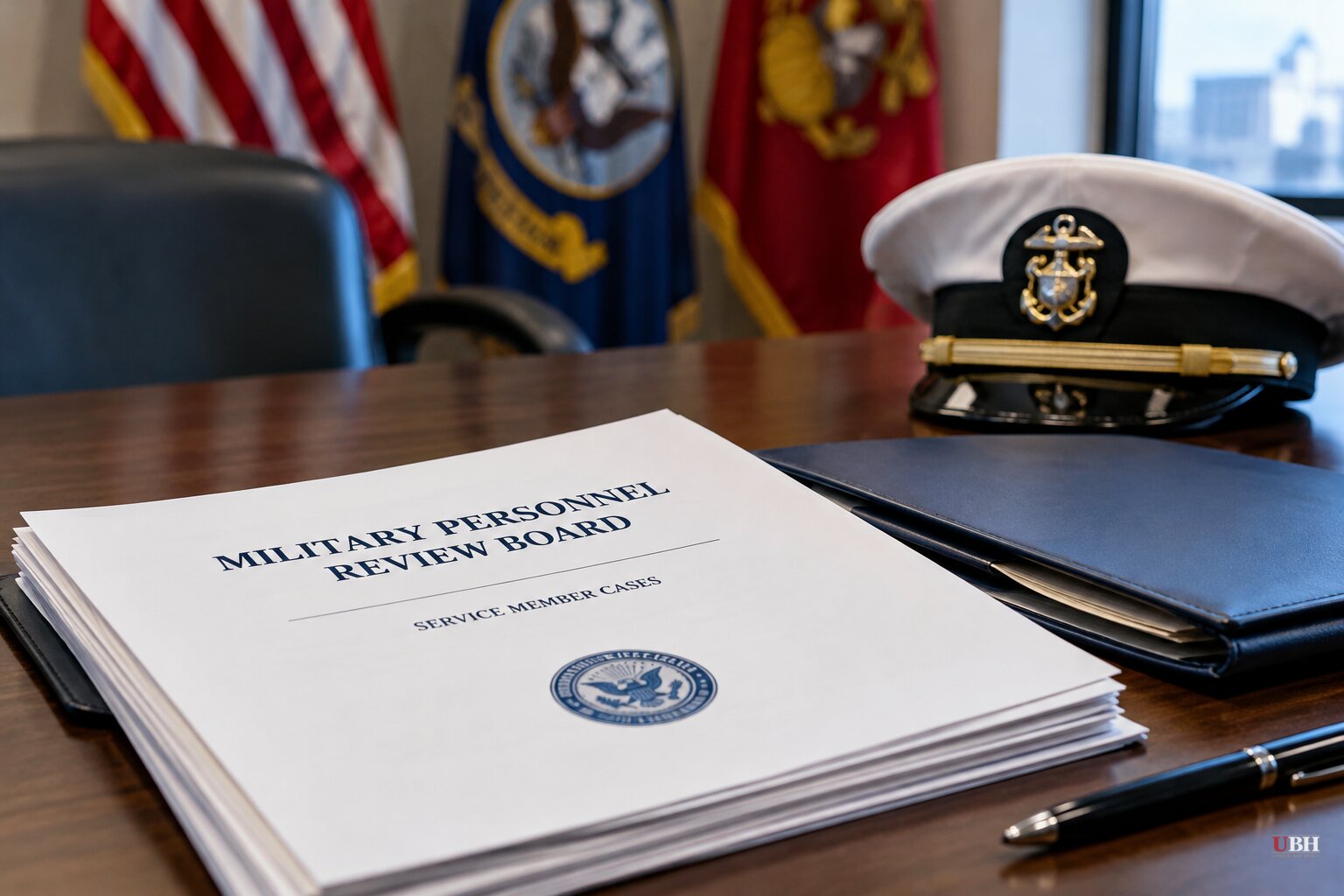
The Pentagon's process for removing transgender troops is not producing the result it was designed to produce, at least in the Navy and Marine Corps.
Nine of the 12 service members who have appeared before administrative boards have been approved to stay in uniform, according to a New York Times report. The paper found that boards at Marine Corps Base Quantico, assigned to carry out the removals, "were doing the opposite." Navy boards, which had strict instructions to force out sailors, were "voting to let them stay," the Times said.
One case: a Marine staff sergeant who appeared before a panel in August believed his career was finished. The panel approved him to remain.
The Air Force is different
The Times found no comparable pattern in the Air Force. Transgender airmen there are being discharged quickly.
The policy is the same across the services, but the outcomes are not.
How the ban got here
The campaign began with a January 2025 executive order. The Supreme Court allowed the ban to take effect on May 6, 2025. Two days later, Hegseth issued a memo giving active-duty troops until June 6 and reservists until July 7 to leave voluntarily before involuntary separation began.
Pentagon data from December 2024 counted about 4,240 service members with a gender dysphoria diagnosis. The boards are the last step for those who did not leave on their own.
Hegseth laid out his position in a September 2025 speech at Quantico. "No more identity months, DEI offices, dudes in dresses," he told troops. The administration's argument, as stated in the order and the Defense Secretary's own remarks, is that the military should not be organized around identity categories.
Closed hearings, thin numbers
The Pentagon has not said how many hearings have been held or how many service members have been removed. The proceedings are closed, even to spouses.
That leaves the Times' count of 12 as a small sample. Nine of 12 is a pattern worth noting, but it is not a full accounting of a force that numbered thousands of affected personnel. No board member has publicly explained the votes.
Critics say the outcome was fixed
Priya Rashid, a military attorney who represents transgender service members, told NPR in February that the outcome of these boards is "generally predetermined." She put the cost of assembling each board at $22,000.
Rachel VanLandingham, a former Air Force lawyer now at Southwestern Law School, told the Times the boards "are being told to do something that they know is wrong."
Those are the views of lawyers who oppose the policy. The Pentagon has not responded in the material at hand to the Times' finding that most boards are voting to retain.
The override
Board votes may not be the final word. An October 2025 Pentagon memo from Undersecretary Anthony Tata, obtained by the Associated Press, lets commanders overturn a board's decision to let a transgender service member stay.
That gives the chain of command a way to reverse a retention vote. It also means a board's approval does not guarantee a service member keeps the job.
It is a basic matter of civilian control that the president and defense secretary set personnel policy and the services carry it out. Whether commanders use the Tata override on the nine approved cases, and whether the Navy and Marine Corps boards are reconstituted, are the open questions. The Pentagon has not said.
At $22,000 per board, taxpayers are funding a process whose results so far, in two of the three services the Times examined, run against its stated purpose.
Sources used for this briefing
1 link from 1 independent newsroom (syndicated copies of the same report count once)
These are the sources it draws on, linked so you can verify.


