
Unbiased headlines. Facts, not spin.
Unbiased Headlines is an independently owned news organization. We bring you the facts, not opinions, written fresh from 110+ named sources. Sources linked so you can verify it yourself.
 defense
Breaking / Critical (9/10)
Event date: October 22, 2026 ·
Iran Threatens Gulf Airports and Pipelines if U.S. Resumes Strikes; Trump Invokes Defense Production Act for Oil
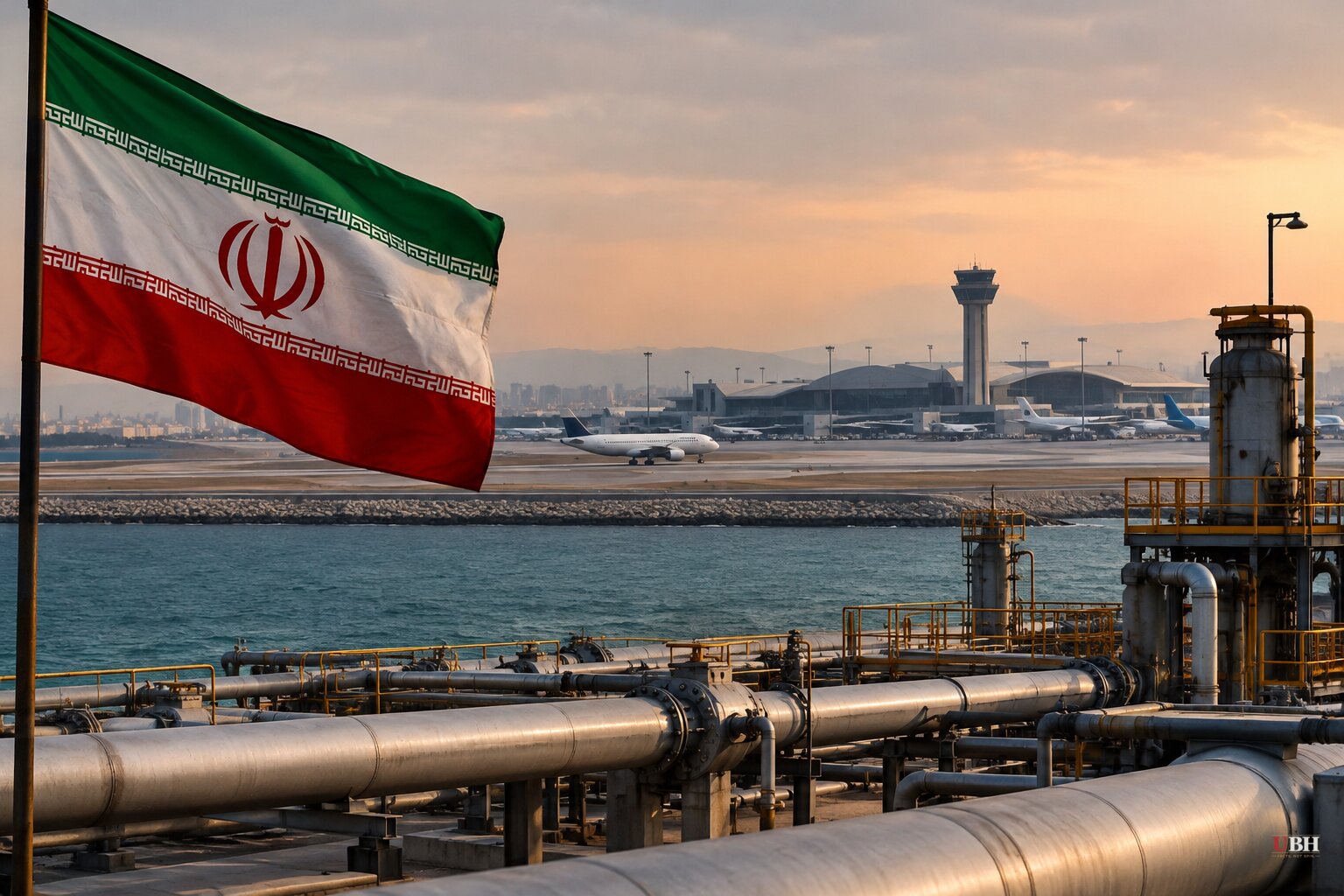
The question has shifted from whether the war resumes to what Iran hits if it does. The Wall Street Journal reported Thursday, Oct. 22, that Tehran's answer, delivered publicly and in private diplomatic messages, is airports, pipelines and other civilian targets across the Persian Gulf, on top of American bases and warships.
Iran's warnings
The WSJ cited people familiar with the private messages. They say Iranian officials told intermediaries that renewed fighting could bring attacks meant to sink U.S. warships and kill their crews, strikes on Saudi oil facilities, and possible ground incursions into neighboring countries.
The public version came from Maj. Gen. Mohsen Rezaei, secretary of Iran's Supreme National Security Council. In a Press TV interview conducted Oct. 10 and reported Oct. 12, he said U.S.-linked technology infrastructure worth more than $2 trillion could be targeted if Washington attacks again.
"We have not yet included these assets among our targets," Rezaei said. "But if war breaks out, many of these cables, data centers, artificial intelligence facilities, and numerous other sites will be destroyed."
Iran has already done some of this. In the opening phase of the war it hit U.S. air bases, embassies and the 5th Fleet headquarters in Bahrain, plus energy and industrial sites in the UAE, a major gas plant in Qatar, and airports in Dubai, Kuwait and Bahrain, the WSJ reported.
How much Iran has left
The Pentagon said in September that the U.S. had destroyed up to 90% of Iran's drone, ballistic missile and naval industrial base. Even so, analysts estimate Iran still holds hundreds to thousands of ballistic missiles. U.S. and regional officials believe it has resumed limited missile production from stockpiled components in underground facilities, the WSJ reported.
Senior Israeli security officials told Epoch Times earlier this month that Iran has rebuilt a significant portion of its ballistic missile stockpile. Those same officials said the buildup does not necessarily mean Tehran has decided on war. They described it as an effort to strengthen deterrence if diplomacy fails.
Sina Toossi of the Center for International Policy put the Iranian logic this way: "The consensus in Tehran now believes that deterrence requires imposing immediate, sustained and substantial costs on its adversaries."
Satellite imagery analyzed by the Institute for Science and International Security shows earthen barriers and other makeshift defenses around Iran's Pickaxe Mountain and Natanz nuclear sites. IAEA chief Rafael Grossi said in September there were "indications that there is movement around this construction site," but that inspectors had no concrete information about activity inside.
Saudi airport hit
The Gulf airport threat is not hypothetical. Wednesday's attack on King Fahd International Airport in eastern Saudi Arabia has now killed two people, a Saudi citizen and an Indian national living in the kingdom, Saudi Arabia's civil aviation authority said. Eight others were injured.
Houthi rebels claimed responsibility on Telegram, and said they also targeted the Saudi Defense Ministry in Riyadh and an Aramco facility in Yanbu, where a fire broke out. The Associated Press noted the group offered no evidence of a strike on the ministry.
An earlier suspected Houthi missile attack this month on King Khalid International Airport reportedly killed 14 people and closed the airport. The Houthis operate with Iranian training and technology, the WSJ reported. Drones fired from Iraq also knocked the Saudi East-West pipeline out for days.
Washington's position
Trump has ruled out new strikes before the Nov. 3 midterms and left open action afterward. Negotiations to wind down the war have been stalled for months. A third carrier strike group and an additional Marine expeditionary unit are heading to the region, and Gulf states consider escalation likely. The WSJ also reported that Washington is trying to move more servicemembers and diplomatic staff out of harm's way.
Stocks of the interceptors that U.S. and Arab militaries would need to absorb a new Iranian barrage have been running down, the WSJ reported. Israel's supplies are also under pressure.
On Thursday, Trump invoked the Defense Production Act to speed domestic oil production. He said private industry cannot expand fast enough because of "constrained financing, long lead times, permitting and infrastructure bottlenecks, and supply chain limitations." The order directs the Secretary of War to use the powers, including federal purchase commitments.
At a rally in Sioux City, Iowa, for Senate candidate Ashley Hinson, Trump said more oil moved through the Strait of Hormuz in the past week than at any previous time, including before the war. He said the blockade has cut off Iran's own exports and that consumer oil prices will fall once the war ends.
Trump also conceded a diplomatic problem: "The problem we have is we wiped out their leaders." With the Iranian leadership he targeted gone, he says he has no clear counterpart to negotiate with.
Markets
Oil prices are approaching Iran-war highs as tanker rates soar, according to Dow Jones market coverage. Earlier this month, Brent crude traded at more than $105.7 per barrel on Oct. 12, the highest in more than two weeks, according to the Epoch Times. Thursday's 2.6% Nasdaq drop was tied in that coverage to worries over Meta's AI funding, not to Iran. Treasury yields posted their biggest one-day drop since 2023.
The open question is timing. Iran's threats are built to deter, and Israeli officials say Tehran might conclude Trump will attack right after the election and strike first. Tehran's choice, and Trump's, comes after Nov. 3.
Sources used for this briefing
6 links from 6 independent newsrooms (syndicated copies of the same report count once)
These are the sources it draws on, linked so you can verify.


