
Unbiased headlines. Facts, not spin.
Every story is an unbiased news briefing written from 110+ sources across the spectrum — sources linked so you can verify it yourself.
 defense
Notable (6/10)
July 22, 2026 at 01:54 AM
defense
Notable (6/10)
July 22, 2026 at 01:54 AM
UK's £298 Billion Defense Plan Boosts Submarines and Jets, Leaves £4.7 Billion Hole
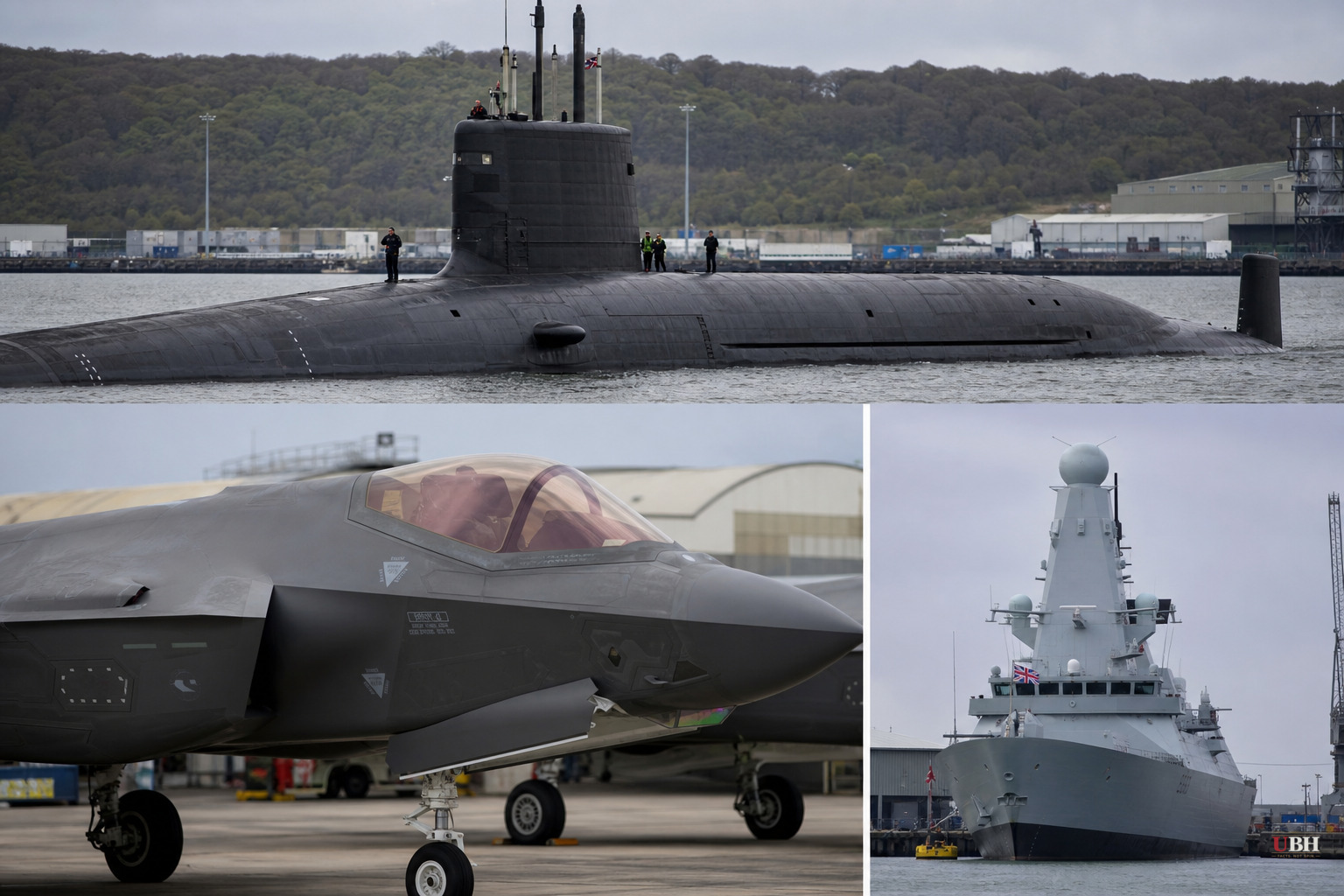
Britain released its Defense Investment Plan on June 29, promising £298 billion in military spending over four years. Whether the money actually shows up as promised is another question, given the state of British public finances.
The plan raises defense spending to 2.7% of gross domestic product by the end of the decade, according to the Daily Signal. It hands the armed forces £15 billion more than originally planned. That falls short compared to what Britain's own service chiefs asked for: £28 billion. The government landed a little more than half of that request.
The timing matters. The plan dropped amid reported friction within Labour's leadership over the pace of defense spending increases, with some officials reportedly pressing for faster increases even as tensions with Russia and China have sharpened across Europe and the Indo-Pacific. Keir Starmer remains Britain's Labour Prime Minister.
Britain's political landscape in recent years has been marked by frequent changes in Conservative leadership, and questions persist about whether a four-year, £298 billion plan can survive successive changes in government and shifting fiscal priorities.
Why Britain Is Stretched Thin
None of this happens in a vacuum. Britain currently carries the highest public debt, the largest budget deficit, and the highest borrowing costs among major economies, according to the Daily Signal. A stagnant economy makes big defense promises harder to keep. Money committed on paper in June can evaporate by the next budget cycle if growth doesn't materialize and interest payments keep eating the treasury.
A government that can't balance its books is making four-year military promises it may not be able to fund in year three. Nobody disputes that NATO's eastern flank needs more capability, and nobody disputes that Britain's navy and air force have been stretched thin for years.
What the Plan Actually Buys
The plan commits £63 billion over four years to Britain's nuclear deterrent, covering maintenance of the Vanguard-class ballistic missile submarines, completion of the Astute-class attack submarines, and construction of their replacements: the Dreadnought-class SSBNs and a future attack submarine class, according to the Daily Signal. It also funds warhead upgrades and supporting infrastructure.
The plan also directs significant money toward the Type 26 and Type 31 frigate programs, which handle submarine-hunting duties in the North Atlantic. Coordination with Norway on procurement and operations is part of that package, a sensible move given how much of NATO's undersea warfare mission runs through Norwegian and British waters. Continued investment in Royal Air Force strike capability, including F-35s, is also part of the package.
Where It Falls Short
The plan has two documented weak points. First, the Daily Signal identifies a £4.7 billion budgeting gap, meaning the numbers in the plan don't fully add up against the commitments described. Second, the plan's proposal to replace Britain's aging Type 45 destroyers leans on autonomous vessel concepts that the Daily Signal describes as poorly conceptualized, without offering a mature program to actually deliver that capability on any reliable timeline.
Type 45 destroyers are Britain's primary air-defense ships, protecting carrier groups and other vessels from missile and aircraft threats. Betting their replacement on unproven autonomous systems, rather than a conventional hull with a clear build schedule, is a real risk if the technology doesn't mature on time.
What Happens Next
The plan stands as a defining test of Starmer's government on defense policy. Whether his government fully funds the £298 billion over four years, closes the £4.7 billion shortfall, or scraps the Type 45 replacement concept for something more conventional remains an open question. Given Britain's borrowing costs and ongoing fiscal pressures, that question won't have a firm answer until the next budget cycle actually tests it against real fiscal numbers rather than a four-year plan on paper.
Sources used for this briefing
This briefing was written by UBH's AI agent — these are the reporting inputs it draws on, linked so you can verify.


