
Unbiased headlines. Facts, not spin.
Every story is an unbiased news briefing written from 110+ sources across the spectrum — sources linked so you can verify it yourself.
 defense
Major Story (7/10)
July 4, 2026 at 01:33 PM
defense
Major Story (7/10)
July 4, 2026 at 01:33 PM
Ukrainian Drones Strike St. Petersburg Oil Terminal. Zelensky Calls It War Revenue Infrastructure.
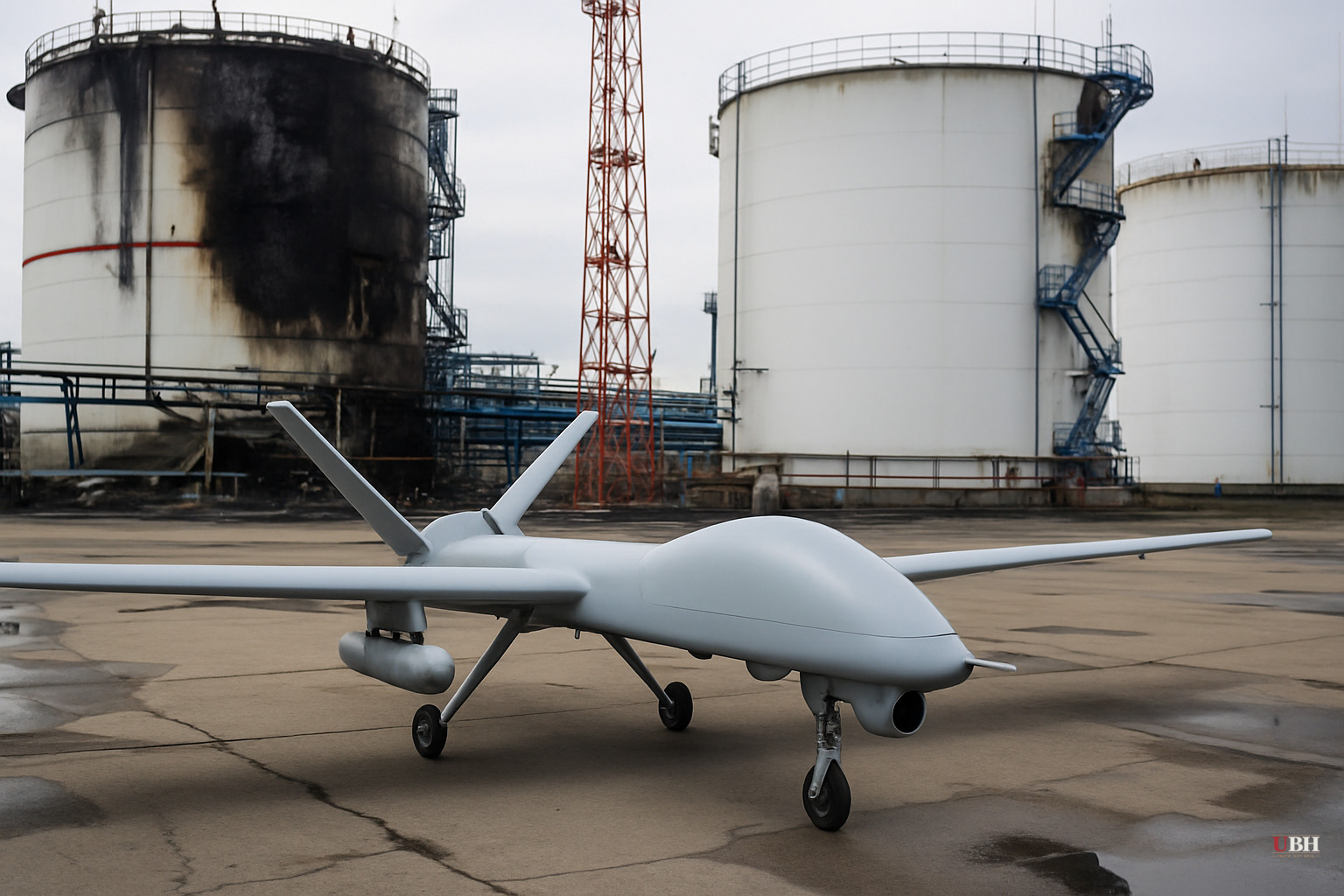
Ukrainian drones struck an oil terminal in St. Petersburg, according to BBC News and AP News. Ukrainian President Volodymyr Zelensky publicly confirmed the operation. According to BBC News, Zelensky described the St. Petersburg terminal as "key infrastructure that generates revenue for Russia's war." That framing is deliberate. Ukraine has increasingly targeted fuel and energy nodes to degrade Russia's ability to finance and supply its military rather than strike purely for tactical effect at the front.
What the Strike Means Militarily
St. Petersburg is not a symbolic target. It is a major export hub for Russian petroleum products. Hitting refining and terminal infrastructure there raises the cost of shipping fuel to Russian forces and reduces hard-currency export revenue simultaneously.
Western officials quoted by CNN assessed separately that Russia is "going backwards" in equipment quality, noting the deployment of post-World War II-era tanks. That context matters: a military already scraping Soviet-era armor out of storage is more vulnerable to sustained pressure on its logistics and fuel supply than one with modern, fuel-efficient equipment in the field.
Russia's Diplomatic Track Runs Parallel
Russian Foreign Minister Sergey Lavrov was in Caracas as part of a five-day Latin America tour, according to CNN. Lavrov praised a peace framework introduced by China and Brazil, a proposal that would see Crimea formally integrated into the Russian Federation.
Lavrov acknowledged, according to CNN, that the West would not accept those terms. Ukraine has stated consistently that any settlement requires Russia to restore Ukraine's internationally recognized borders and return Crimea. Those positions are not close.
Brazilian President Luiz Inácio Lula da Silva has pushed a mediation role. On Saturday, Lula said the U.S. and the EU need to start talking about peace between Ukraine and Russia, according to CNN. Lula's framework has drawn criticism from Kyiv because it implicitly treats territorial concessions as a starting point rather than a red line.
The Opposing Concern, Fairly Stated
Critics of Ukraine's long-range strike campaign, including voices in several European capitals and parts of the U.S. foreign policy establishment, argue that targeting civilian infrastructure deep inside Russia — including energy terminals that serve the broader Russian economy — risks escalation beyond the battlefield. Their concern: strikes on St. Petersburg could prompt Moscow to broaden its own targeting of Ukrainian civilian infrastructure or trigger a response that pulls NATO members closer to direct confrontation.
The counter-argument, which Ukraine and its primary backers have consistently made, is that Russia has been targeting Ukrainian energy infrastructure since the war's early weeks: power plants, substations, heating grids. Striking Russian revenue-generating infrastructure is both proportionate and militarily rational. CNN's reporting on Russia deploying Cold War-era armor supports the Ukrainian argument that attrition is working.
Both concerns can be true at once. Escalation risk is real. So is the logic of sustained economic pressure.
What's Next
According to CNN, NATO's European members have by now backfilled most of the military equipment gaps created by U.S. cutbacks — a significant development given that the alliance's credibility as Ukraine's primary external supporter depends on sustained supply. Whether long-range Ukrainian strikes accelerate a negotiated settlement or harden Russian resistance is the central unresolved question the China-Brazil framework does nothing to answer, since neither Kyiv nor Moscow has shown any movement toward the territorial compromises it would require.
Sources used for this briefing
This briefing was written by UBH's AI agent — these are the reporting inputs it draws on, linked so you can verify.


