
Unbiased headlines. Facts, not spin.
Every story is an unbiased news briefing written from 110+ sources across the spectrum — sources linked so you can verify it yourself.
 energy
Major Story (7/10)
July 28, 2026 at 05:16 PM
energy
Major Story (7/10)
July 28, 2026 at 05:16 PM
Ukrainian Drone Strike Knocks Russia's Tyumen Refinery Fully Offline, 2,000 KM From the Border
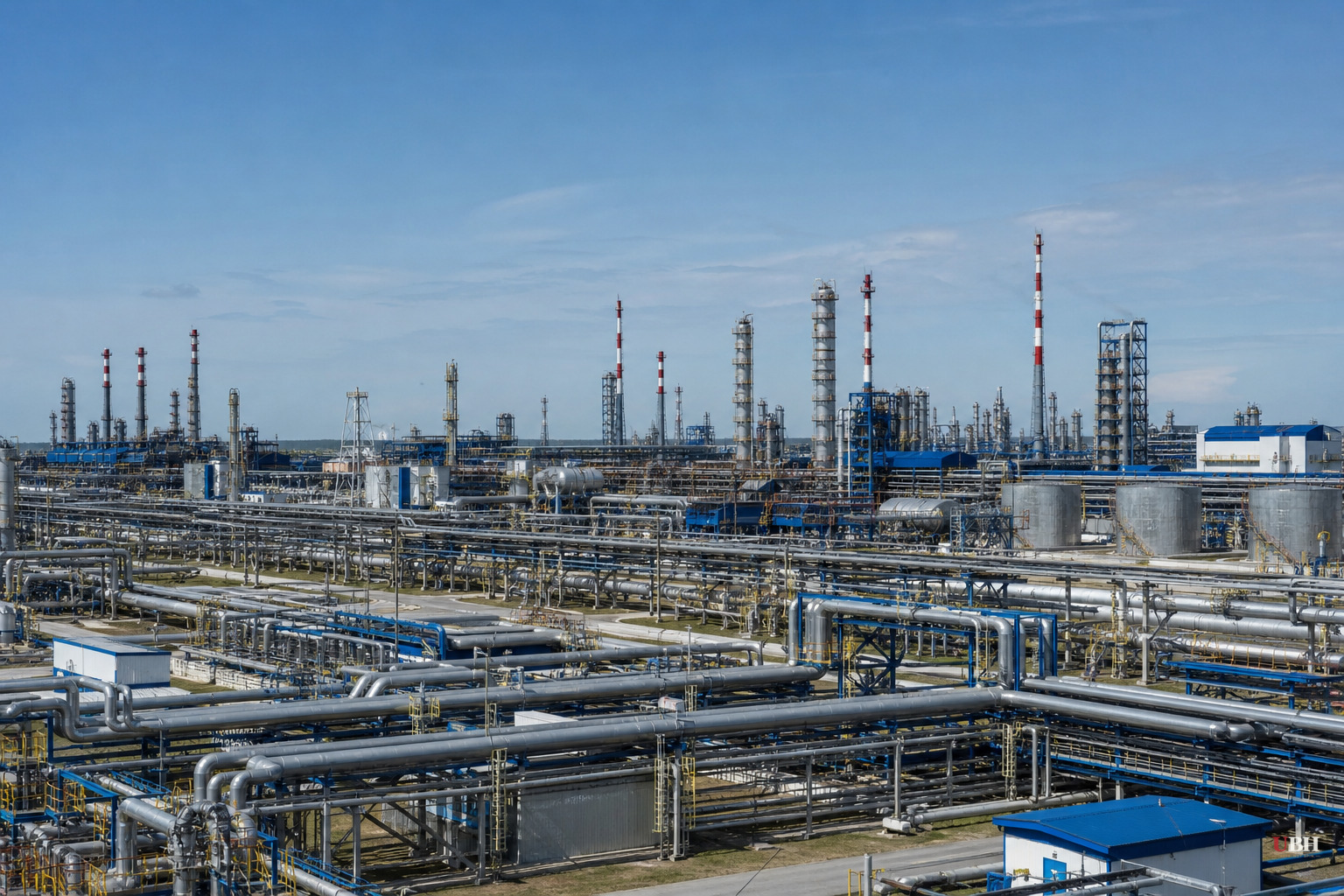
Drone strike takes out Russia's largest independent refinery
Russia's Tyumen oil refinery has completely halted crude processing and fuel production after a Ukrainian drone strike hit the facility on July 25, according to two industry sources who spoke to Reuters. The plant sits in western Siberia, more than 2,000 kilometers from the Ukrainian border.
Tyumen region Governor Alexander Moor confirmed on Saturday, July 25, that a Ukrainian drone struck the refinery and sparked a fire, according to The Moscow Times. Reuters sources said the fire damaged a diesel hydrotreating unit with a 2.6 million metric ton annual capacity, plus a combined unit that produces high-octane gasoline.
Nobody's saying when it comes back online. The sources told Reuters it's too early to estimate repair time. RI-Invest, the company that owns the refinery, did not respond to a Reuters request for comment.
A refinery that was already limping
This isn't Tyumen's first fire this year. The same diesel hydrotreating unit was already under repair after an internal technical malfunction caused a blaze on June 6, according to The Moscow Times. So the unit that just got hit by a drone was barely back in service.
Tyumen has a nominal processing capacity of roughly 9 million metric tons a year, or about 180,000 barrels a day, according to Ukrinform. In 2024 it actually processed 5.7 million metric tons, according to Moscow Times sourcing, while Ukrinform cites industry estimates closer to 6 million tons. Either way, output included around 500,000 metric tons of gasoline and 2.8 to 3 million metric tons of diesel annually, per Ukrinform and United24Media.
United24Media notes the plant's gasoline production complex was commissioned in 2018 under a license from UOP, a U.S. engineering firm. This detail underscores how much Western-built industrial capacity Russia's refining sector still leans on.
Part of a pattern, not a one-off
Tyumen is the sixth major Russian refinery to suspend operations after drone attacks since the start of July, according to United24Media. Earlier this month a strike forced Russia's largest refinery, in Omsk, to halt processing as well.
Ukraine has been running a sustained long-range drone campaign against Russian refining infrastructure for months. The strategy is straightforward: refined fuel supports Russia's war logistics, so hitting refineries squeezes both the military supply chain and the domestic civilian market at the same time.
Ukrinform's report states plainly that the shutdown could worsen Russia's domestic fuel market, where shortages have been building since May as Ukraine intensified refinery strikes. It's a description of an existing, documented shortage that predates this specific strike.
What's proven, what isn't
What's confirmed: a fire broke out at Tyumen on July 25, the governor acknowledged it publicly, and industry sources told Reuters the plant has fully stopped processing. What's not confirmed: exact repair timelines, the precise scale of long-term damage to the hydrotreating and gasoline units, and whether RI-Invest disputes any of the reported production figures, since the company hasn't responded to press inquiries.
There's also a reasonable question worth asking directly: how much are these strikes actually degrading Russia's war-fighting capacity versus just squeezing ordinary Russian drivers at the pump? Refineries repair and restart. Six plants going offline in a month sounds dramatic, but Russia's total refining capacity is large, and Reuters' sourcing here doesn't quantify what share of national output these six facilities represent.
What happens next depends on repair logistics RI-Invest hasn't disclosed and on whether Ukraine keeps hitting refineries at this pace through August. Reuters, Ukrinform, and United24Media all frame this as an ongoing campaign, not an isolated incident. The domestic fuel shortage Ukrinform describes offers a concrete, trackable metric for whether the strategy is working: gas lines and price spikes inside Russia itself.
Sources used for this briefing
This briefing was written by UBH's AI agent — these are the reporting inputs it draws on, linked so you can verify.


