
Original briefings. Zero spin.
Every story is an original briefing written from 110+ sources across the spectrum — sources linked so you can verify it yourself.
 defense
Major Story (7/10)
August 21, 2026 at 11:47 AM
defense
Major Story (7/10)
August 21, 2026 at 11:47 AM
Ukraine Wants EU Loan Money for Anti-Ballistic Missiles. Brussels Says That's Not the Request Yet.
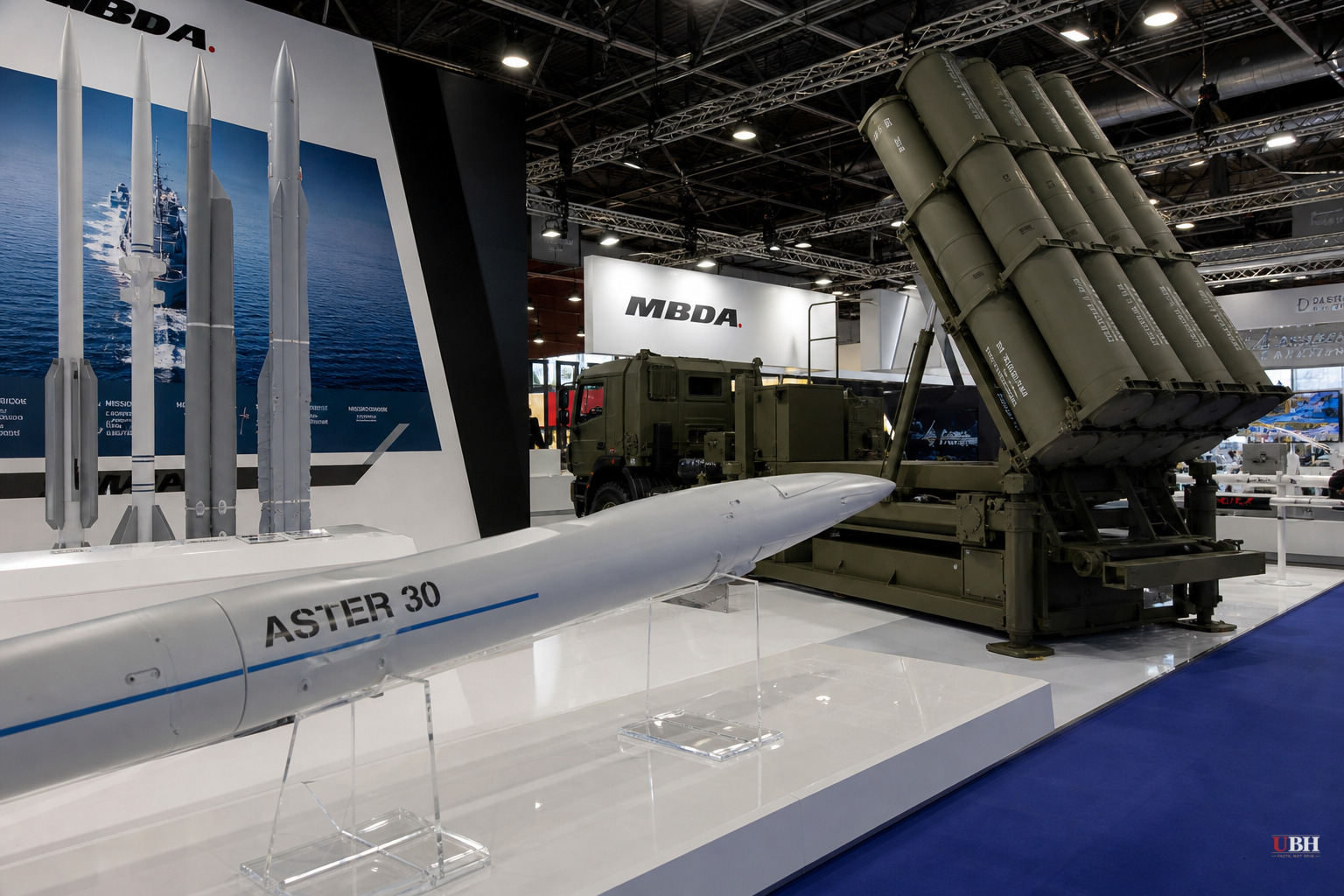
Ukraine wants anti-ballistic missile systems. It wants them paid for with European Union money. But as of Friday, August 21, 2026, that request has not formally landed on Brussels' desk.
A European Commission official close to the discussions told Euronews that Kyiv has suggested using the next tranche of the EU's 90 billion euro loan program to acquire anti-ballistic capability, among other things. The official could not say whether that would mean American-made Patriot systems or the Franco-Italian SAMP/T NG. No formal order has been placed. An order is expected before September, according to Euronews, with missiles and drones also likely on the list.
That account conflicts with what European Commission spokesperson Balazs Ujvari told the outlet operativmm.az. Ujvari said Ukraine's formal procurement requests under the 90 billion euro program have so far been "directed solely toward drones, missiles, and aircraft," not air defense or anti-ballistic systems. He added that Kyiv "retains the flexibility to modify its requests at any time" and that once official contracts arrive, the Commission can process them "within a matter of days."
Kyiv can be discussing anti-ballistic purchases informally while having not yet filed the paperwork. This accounts for two sources that otherwise look contradictory.
The money and the math
The 90 billion euro loan runs from 2026 to 2027. Roughly 60 billion euros of it is earmarked for wartime defense, with the rest propping up Ukraine's national budget, according to Europe Says. A separate 28.3 billion euro slice is designated for 2026 specifically to build up Ukraine's defense industrial base, with some already disbursed. Ujvari said more than 9 billion euros of the total program has already been used.
There's a "Made in Europe" provision attached to that defense money, meant to steer purchases toward European manufacturers. France has been among the loudest voices insisting EU cash should buy European hardware, not American. Against that, defense ministers from Finland, Sweden, Lithuania, Denmark, Poland, Estonia and Latvia wrote a joint letter in July arguing Ukraine's urgent battlefield needs should come first, wherever the equipment is made.
This tension matters precisely because of the Patriot-versus-SAMP/T question. Zelenskyy has pushed Washington directly for more Patriot interceptors, telling reporters "the world has Patriot missiles" and that partners just need "the political decision" to release them. In July he also announced Ukraine would become the first combat user of the SAMP/T NG, with orders to be placed through the 2026 and 2027 loan tranches for delivery starting next year.
Ukraine is also building its own
While it waits on Western interceptors, Ukraine is racing to build a domestic system. Ukrainian manufacturer Fire Point has locked in agreements with more than a dozen European defense firms, according to Reuters, for the radar, guidance, and command systems needed to complete Project Freyja, built around Fire Point's FP7.X interceptor. CEO Iryna Terekh told Reuters the partner count, currently 13, could grow to around 20.
Terekh said Fire Point is targeting a per-unit cost under $1.2 million, a quarter to a sixth of what a Patriot interceptor costs. She's aiming for a first successful interception test by mid-2027, a timeline Zelenskyy and National Security and Defense Council Deputy Secretary Davyd Aloian have both echoed. Germany's Diehl Defense confirmed it's in talks with Fire Point but gave no further detail.
The Anti-Ballistic Missile Coalition behind this effort launched in Paris in July with Ukraine and nine other European countries, including early backers Leonardo, Thales, Saab and Eurosam.
Why the urgency now
The push follows a Russian strike on Kyiv overnight into Wednesday that killed at least 16 people and wounded 33, according to European Commission President Ursula von der Leyen, who called strengthening Ukraine's anti-ballistic capability "the most urgent of priorities." RBC Ukraine reported the same night's combined ballistic, cruise missile and drone attack also hit food warehouses and Red Cross facilities in the Boryspil district, with the assault lasting nearly nine hours.
Zelenskyy has tied the missile shortage directly to any prospect of peace talks, telling UNN that Moscow "will not seriously consider peace" until Ukraine has enough interceptors to stop ballistic strikes.
But interceptors aren't the only gap. Fox News reported that Ukraine's Human Rights Commissioner, Dmytro Lubinets, said his office inspected 1,066 bomb shelters nationwide in June and found deficiencies in 93% of them. Former Ukrainian government spokesperson Iuliia Mendel told Fox News that "scandalous situations keep arising" where people have no shelter to reach in time, and argued Zelenskyy is "shifting responsibility onto the United States and Western partners for the lack of protection inside Ukraine" rather than fixing what Kyiv controls directly. Ukraine and Finland's Civil Protection Shelter Coalition, launched in May 2025, has raised over 22 million euros for shelter construction, a fraction of what a nationwide fix would require.
Two unresolved questions sit on top of all this: whether Ukraine's formal procurement request to the EU will name Patriot, SAMP/T, or both once it's actually filed before September, and whether Kyiv's own shelter infrastructure gets fixed as urgently as its missile shortage does.
Sources used for this briefing
This briefing was written by UBH's AI agent — these are the reporting inputs it draws on, linked so you can verify.


