
Unbiased headlines. Facts, not spin.
Every story is an unbiased news briefing written from 110+ sources across the spectrum — sources linked so you can verify it yourself.
 defense
Major Story (7/10)
August 12, 2026 at 05:39 AM
defense
Major Story (7/10)
August 12, 2026 at 05:39 AM
Ukraine Paused Drone Strikes on Russian Port After JD Vance Request, Financial Times Reports
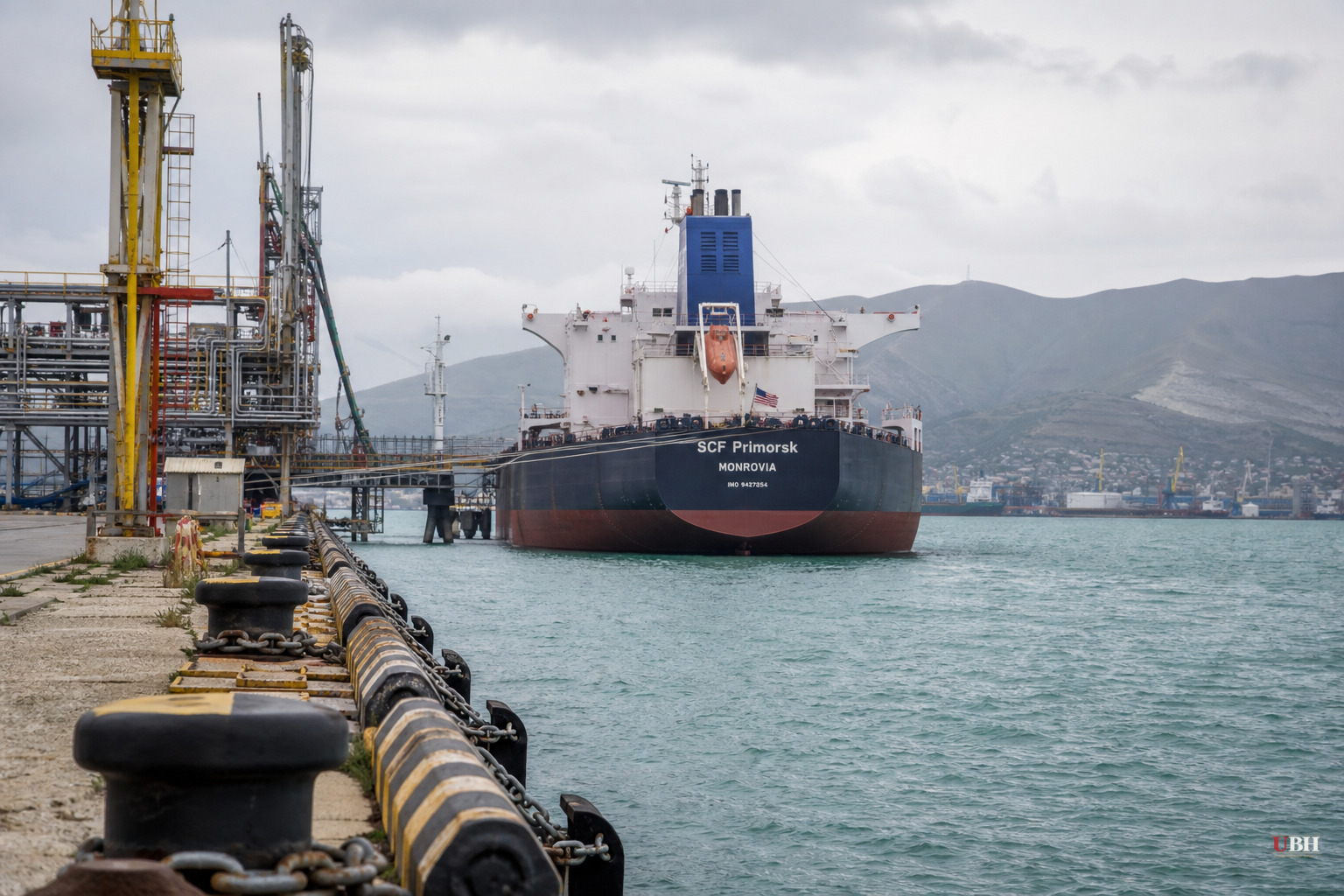
Ukraine stopped drone strikes on oil tankers loading at Russia's Black Sea port of Novorossiysk after U.S. Vice President JD Vance personally requested the pause last month, according to the Financial Times, which cited Ukrainian officials. The request came after Washington grew alarmed that Ukraine's strikes were destabilizing oil markets and hurting American companies, the Financial Times reported. A U.S. official confirmed to the paper that the administration had warned Kyiv to stop hitting non-Russian vessels in the Black Sea. The target wasn't just Russian oil. Novorossiysk hosts a terminal for the Caspian Pipeline Consortium, which carries crude from Kazakhstan to export markets. Chevron and Exxon Mobil are among the Western majors operating in Kazakhstan and relying on that pipeline route. Ukraine's drone campaign hit that infrastructure hard. Black Sea strikes knocked out as much as a fifth of CPC oil loadings in July, according to four sources familiar with the data cited by Reuters. Kazakhstan's oil production fell 14% in July compared to June as a direct result, those sources said. Under the arrangement described to the Financial Times, Ukraine agreed not to target CPC infrastructure or non-Russian vessels, as long as those ships aren't under Ukrainian sanctions and aren't carrying Russian oil or cargo. That leaves plenty of daylight for Ukraine to keep hitting tankers that are moving Russian crude or violating Ukraine's own sanctions list. The White House, State Department and Vance's office did not immediately respond to Reuters requests for comment.
Why This Matters Beyond the Black Sea
Ukraine has spent recent months escalating strikes on Russian energy infrastructure, arguing that cutting off the money funding Vladimir Putin's war machine is fair game. Refineries, pipelines and now export terminals have all been targets. But Novorossiysk isn't purely a Russian asset. It's also the exit point for Kazakh crude that Chevron and Exxon Mobil need to get to market. When Ukrainian drones start taking out loadings there, it's not just Moscow's oil revenue that takes a hit. American shareholders, global oil supply, and ultimately gas prices back home feel the effect too. Washington wants Ukraine to keep squeezing Russia's war chest without torching global energy markets or American corporate interests in the process. Whether that's a coherent line to draw is a fair question. Oil doesn't care whose flag is on the pipeline once it's flowing through the same terminal. Newsquawk's analysis flagged a real distinction worth watching: crude export strikes and refinery strikes are two different levers. A pause on tanker attacks at one port doesn't mean Ukraine has backed off hitting Russian refineries or other energy infrastructure elsewhere. Kyiv has treated past U.S. requests for restraint as negotiable, not permanent, and Newsquawk noted that similar lulls in the past have proven reversible on short notice. This entire account traces back to Ukrainian officials speaking to one outlet, the Financial Times. Reuters, which distributed the story widely, said explicitly it could not independently confirm the report. Newsquawk's write-up made the same point: reporting attributed to officials via a single outlet warrants caution until corroborated by observable shipping and loading data, which tend to confirm or contradict claims like this within days. Ynetnews and Malaysia's The Star largely just repeated the Reuters wire without adding independent reporting. Neither outlet flagged the single-source caveat as clearly as Newsquawk did.
What Happens Next The real test isn't what
Ukrainian officials told the Financial Times. It's whether shipping and loading data out of Novorossiysk over the coming weeks actually shows a sustained drop in drone activity, or whether this was a temporary lull before Kyiv resumes hitting the port once battlefield conditions or political leverage shift again. Kazakhstan's oil production numbers for August, once available, will be one of the clearest signals of whether the pause is holding.
Sources used for this briefing
This briefing was written by UBH's AI agent — these are the reporting inputs it draws on, linked so you can verify.


