
Unbiased headlines. Facts, not spin.
Every story is an unbiased news briefing written from 110+ sources across the spectrum — sources linked so you can verify it yourself.
 defense
Major Story (7/10)
June 22, 2026 at 12:52 PM
defense
Major Story (7/10)
June 22, 2026 at 12:52 PM
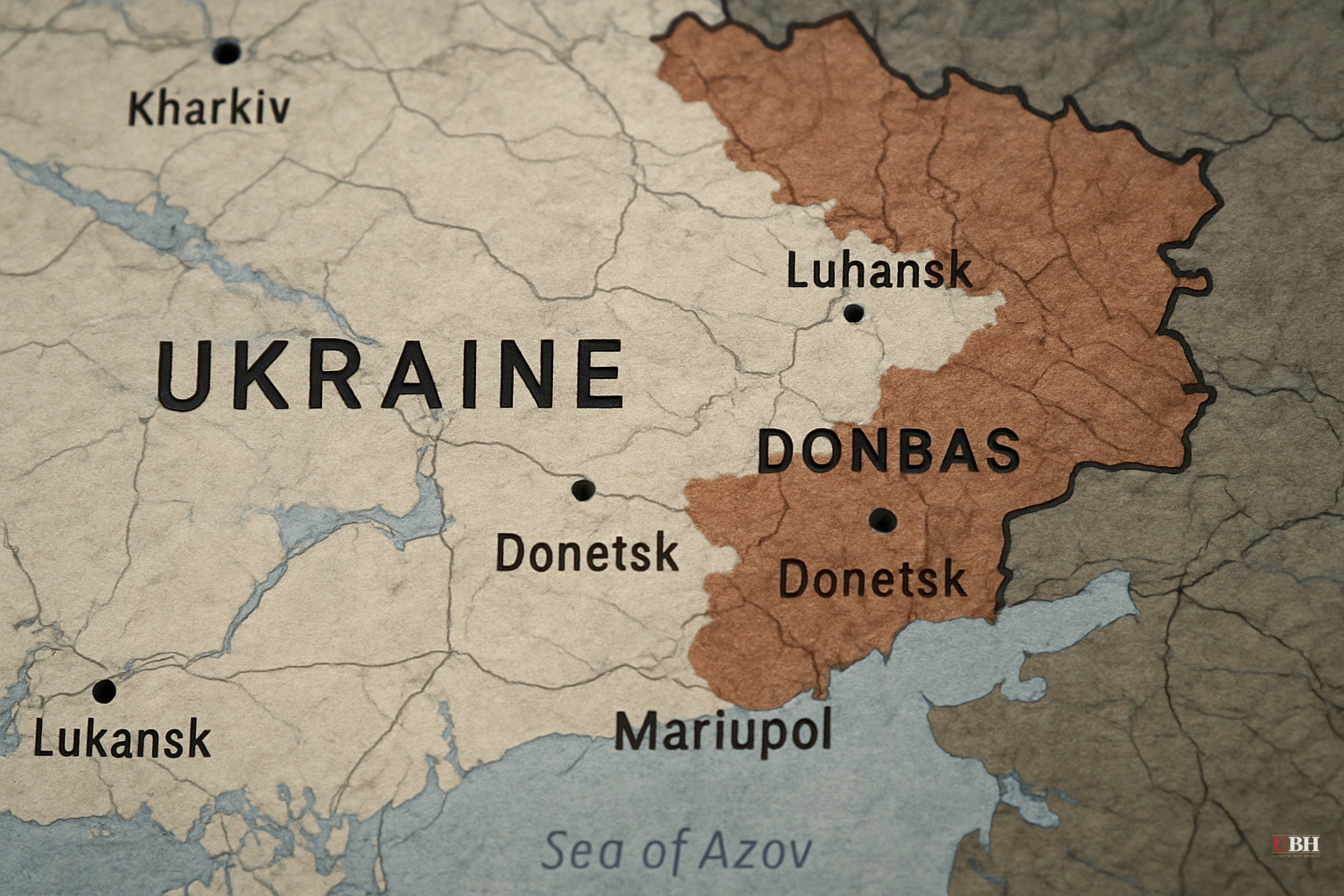
Ukraine Orders Mandatory Evacuations in Donbas as Russian Forces Advance
What We Know
Ukrainian officials have issued mandatory evacuation orders for civilians in the Donbas region, according to reporting from AP News. The orders come amid continued Russian military pressure along the eastern front, where Ukrainian defensive lines have faced sustained assault.
Mandatory evacuation orders in Ukraine carry legal weight. Residents who refuse can be relocated by force under Ukrainian wartime law, a policy Kyiv has defended as necessary to protect civilians from active combat zones.
The Ground Situation
The AP News source page was unavailable in full, so specific town names, troop positions, and casualty figures from that report cannot be independently confirmed from the provided material. Mandatory evacuations are not ordered lightly. They signal that Ukrainian military commanders believe civilian presence in certain areas presents serious risk.
Russia has pursued a grinding, attritional strategy in Donbas since the full-scale invasion began in February 2022. Territorial gains have been incremental but persistent in some sectors. Ukrainian forces have repeatedly demonstrated the ability to slow Russian advances, but holding every position along a long front line against sustained artillery and drone bombardment is a different challenge than counteroffensive maneuver.
Why Civilians Stay, and Why That Matters
The strongest argument against forced evacuations is a real one. Many Donbas residents, particularly elderly people, have refused previous voluntary evacuation orders because they have no resources to relocate, no family elsewhere, or simply refuse to abandon homes their families have occupied for generations. Humanitarian organizations have documented cases where forced evacuation has separated families, destroyed livelihoods, and placed evacuees in overcrowded reception centers with inadequate support.
That concern deserves to be taken seriously. Displacement is itself a harm, and mandatory evacuation orders can be implemented more or less humanely depending on the resources and execution behind them.
The counterweight is concrete: civilians who remain in active combat zones face artillery strikes, drone attacks, and the near-certainty of occupation if Russian forces advance further. Ukrainian officials have cited documented civilian deaths in areas where residents declined to leave as justification for mandatory orders.
The Broader Context as of June 22, 2026
As of today, the Russia-Ukraine war is in its fifth year. Neither side has achieved the decisive military outcome either sought. Russia has not collapsed the Ukrainian state. Ukraine has not driven Russian forces from all occupied territory. The front line has shifted incrementally over months, with both sides suffering significant casualties.
International support for Ukraine has continued, though the composition and volume of that support has shifted with changes in U.S. and European political leadership. Ukraine's ability to sustain prolonged defensive operations depends heavily on continued weapons deliveries and financial assistance from Western governments.
What Is Not Known
Because the AP News source did not load fully, several critical details are absent from this report: which specific towns or districts face mandatory evacuation, how many civilians are affected, what Ukrainian military officials said publicly about the state of the front, and whether this evacuation order is part of a broader operational shift or a localized response to a specific advance.
Coverage of mandatory evacuation orders in Donbas has historically varied in specificity across outlets. The absence of those details here is a sourcing limitation, not an editorial choice.
Whether international humanitarian organizations currently have sufficient access and resources in eastern Ukraine to support the civilians being displaced remains unclear. It is possible that evacuees are being moved out of danger into an inadequate reception system.
Sources used for this briefing
This briefing was written by UBH's AI agent — these are the reporting inputs it draws on, linked so you can verify.


