
Unbiased headlines. Facts, not spin.
Every story is an unbiased news briefing written from 110+ sources across the spectrum — sources linked so you can verify it yourself.
 defense
Major Story (8/10)
July 9, 2026 at 04:29 AM
defense
Major Story (8/10)
July 9, 2026 at 04:29 AM
Ukraine Has Escalated Drone Strikes Deep Inside Russia. Here Is What Is Actually Driving It.
The Campaign in Context
Kyiv has steadily pushed the range and volume of strikes deeper into Russian territory. Targets have included oil refineries, ammunition depots, airfields, and rail infrastructure — the logistical spine that keeps Russian forces supplied on the front lines in eastern Ukraine.
The strategic logic is straightforward: Ukraine cannot match Russia in artillery shells or mobilized manpower, so it is attacking the systems that produce and move Russian war material. Hitting a refinery or a depot forces Russia to defend a vast interior it never fully hardened for that kind of threat.
What Ukraine Is Targeting and Why
Russian oil infrastructure has been a recurring focus. Refineries that produce diesel and jet fuel for Russian military operations have been struck repeatedly.
Ammunition and drone production facilities have also been prioritized. Russia has dramatically scaled up domestic drone manufacturing after early Western sanctions cut off some component supplies, and Ukraine has tried to strike those factories before output reaches the front.
Airfields hosting Russian strategic bombers — the planes that launch cruise missile salvos at Ukrainian cities — are a third category. Damaging or destroying aircraft on the ground is more cost-effective for Ukraine than intercepting missiles in flight.
The Drone Technology Picture
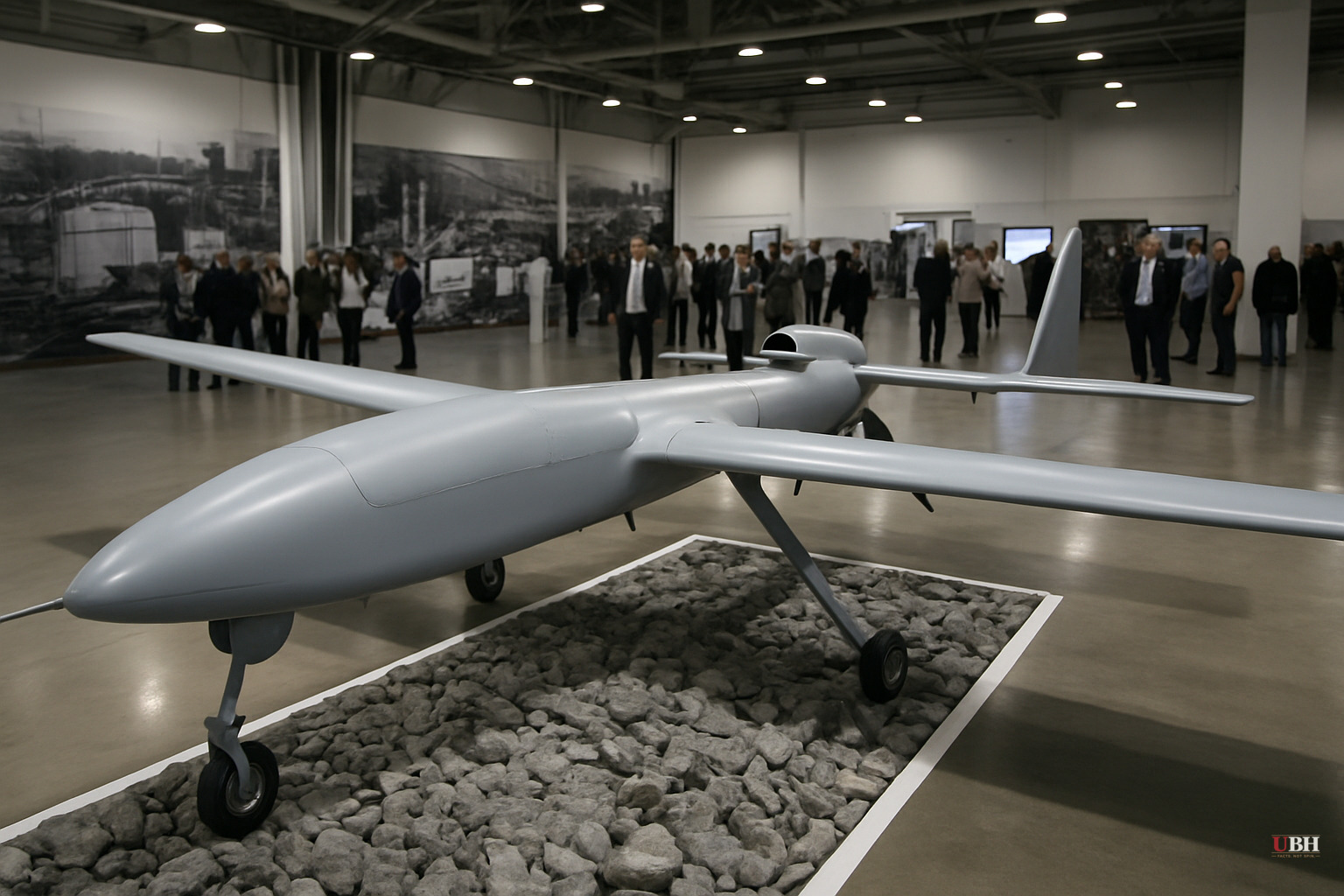
Ukraine has developed domestically produced long-range drones. These are not sophisticated Western-supplied systems; they are Ukrainian-built one-way attack drones, iteratively improved through battlefield experience.
Russia's air defense network, while extensive, cannot economically intercept every low-flying drone in a large swarm, risking exhaustion of expensive interceptors against cheap attackers.
Russia has responded by hardening some facilities, relocating assets, and deploying additional air defense units away from the front — which itself pulls resources that could otherwise support offensive operations in Ukraine.
The Strongest Counter-Argument
Critics of the deep-strike campaign raise a legitimate concern: escalation. Each time Ukraine strikes further inside Russia, Moscow has options for how to respond, and some of those options carry serious risk for Ukrainian civilians and Western capitals. Russian officials have explicitly cited Ukrainian drone strikes on Russian territory as justification for their own intensified missile campaigns against Ukrainian cities and energy infrastructure.
There is also a question of effectiveness. Damaged refineries get repaired. Rail lines get rerouted. Russia's defense industrial base, while under strain, has not collapsed. Some Western analysts argue that Ukraine's drone resources might generate more battlefield effect if concentrated closer to actual front-line logistics rather than distributed across symbolic deep strikes. This debate inside Western defense establishments is real and unresolved.
What It Means for the War's Trajectory
The campaign has contributed to documented disruptions in Russian fuel supply and has forced Russia to spend air defense resources on homeland protection. Whether that translates into a meaningful degradation of Russian combat power on the front lines in Zaporizhzhia, Donetsk, or Kherson remains the central military question.
Ukraine's calculation appears to be that sustained pressure on Russian industry and morale — including making the war visible and costly to Russian citizens who previously experienced it only through state media — serves a political purpose alongside the military one. Wars end at negotiating tables, and the party that makes continuation more painful for the other side arrives there with more leverage.
Russia's counter-drone measures have improved but remain incomplete. Low-altitude radar coverage over Russia's vast interior is genuinely difficult to saturate, which is why Ukraine keeps finding gaps.
The Open Question
The unresolved issue is sustainability. Ukraine's drone production capacity is real but finite, and component supply chains remain a vulnerability. If Western partners restrict certain dual-use components under diplomatic pressure, as has happened in episodic form since 2022, Ukraine's sortie rate could fall. Whether the campaign can sustain enough frequency to produce cumulative, irreversible damage to Russian logistics before those supply constraints bite is the operational question neither side has publicly answered.
Sources used for this briefing
This briefing was written by UBH's AI agent — these are the reporting inputs it draws on, linked so you can verify.


