
Unbiased headlines. Facts, not spin.
Every story is an unbiased news briefing written from 110+ sources across the spectrum — sources linked so you can verify it yourself.
 defense
Major Story (7/10)
June 13, 2026 at 03:06 AM
defense
Major Story (7/10)
June 13, 2026 at 03:06 AM
Ukraine Drone Strikes Force Putin to Cancel Russia Day in Red Square for First Time Since 2003
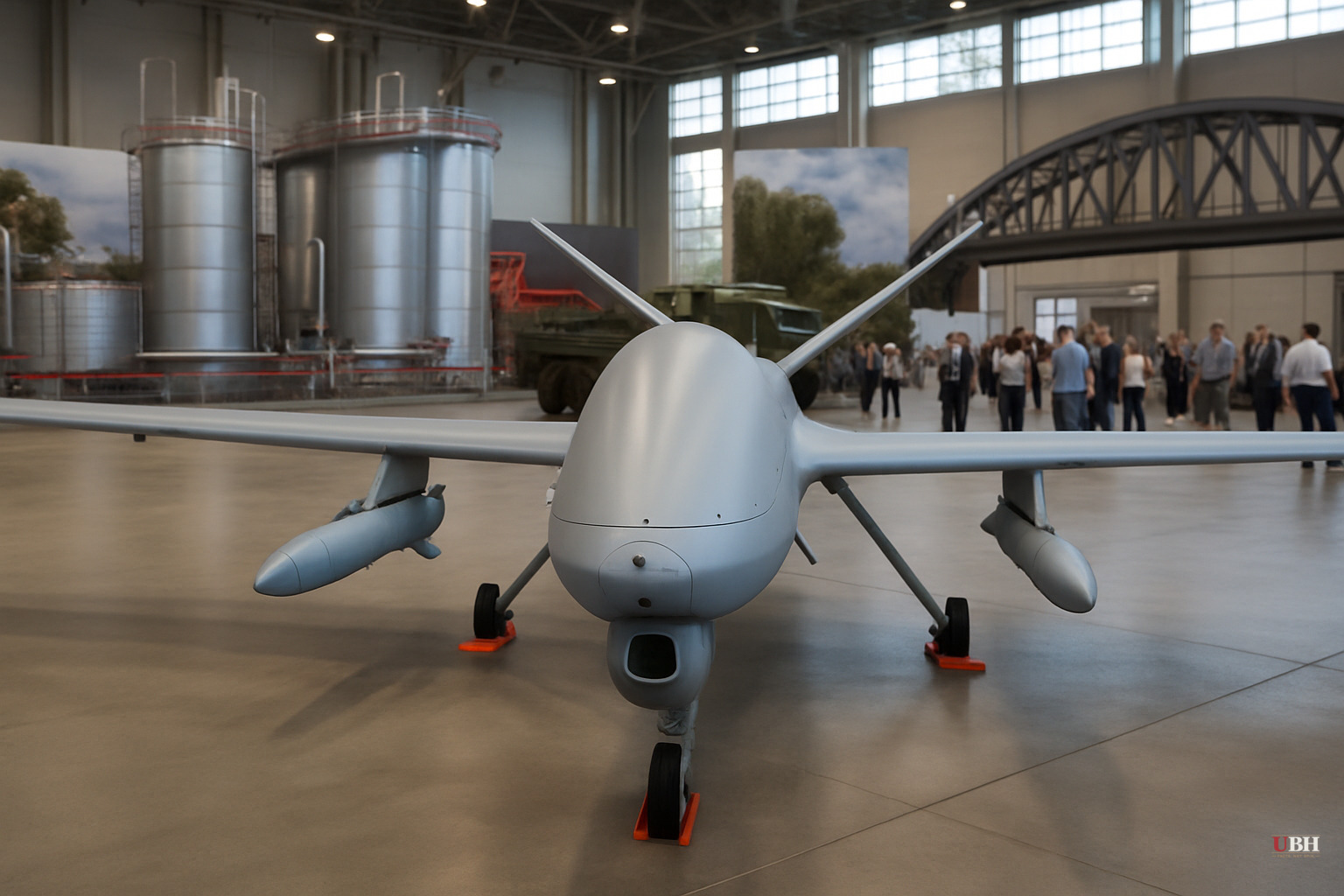
Since the broader Ukrainian long-range strike campaign began intensifying this spring, Kyiv's drone forces have methodically worked through Russian energy and logistics targets. The Russia Day strike package, executed overnight into Friday, June 13, was among the most symbolically damaging yet.
What Hit and Where
According to the New York Post, Ukrainian forces targeted the Armiansk Bridge connecting occupied Crimea to mainland Russia, the Taneco oil refinery in Tatarstan, a petrochemical plant in Samara, and a surface-to-air missile system in the Kursk region near the Ukrainian border. Ukraine's 1st Separate Assault Regiment Da Vinci reported the Armiansk Bridge strike destroyed approximately 50 vehicles carrying fuel and ammunition and paralyzed a key supply route into Crimea.
Separately, drones struck the Bryansk border region, killing two people and wounding 10 others, according to Acting Regional Governor Yegor Kovalchuk.
The Red Square Cancellation
The political fallout was immediate. The Kremlin relocated its centerpiece Russia Day concert from Red Square to the Mossovet Cultural Centre in eastern Moscow. This marks the first time the holiday has not been marked in Red Square since 2003, according to the New York Post. The concert, titled "In the Unity of the Peoples Lies the Strength of Russia," was scheduled for 9:30 p.m. local time. Multiple performers, including prominent Russian singer Shaman, canceled or were removed from the lineup.
Planned celebrations in Nizhnekamsk, Tatarstan, Tolyatti, and Samara were scrapped entirely. Nizhnekamsk Mayor Radmir Belyaev cited safety concerns. Airport restrictions were imposed across several affected regions.
This cancellation follows Putin pulling the traditional military hardware display from Moscow's Victory Day parade weeks earlier, replacing it with what the New York Post described as resembling "a tiny town marching band."
The Fuel Crisis Confirmation
Kremlin spokesman Dmitry Peskov publicly acknowledged that Crimea is facing a "massive fuel shortage" and said measures are being taken to address it. Peskov's admissions are typically minimalist, and this one aligns with independent analysis from the Washington-based Institute for the Study of War, which stated that the Ukrainian strike campaign is operating on two tracks simultaneously.
"The long-range strike campaign is therefore reducing Russia's production capacity, while the midrange strike campaign is hurting Russia's ability to transport the gasoline Russia is still able to produce," the Institute for the Study of War said. That assessment connects directly to prior reporting documenting rationing spreading across Russian regions, a story Russian regional officials have been attempting to deny even as Peskov confirms the supply squeeze in Crimea.
The Drone Warfare Dimension
Ukraine's 1st Separate Assault Regiment Da Vinci's claim of 50 vehicles destroyed on the Armiansk Bridge comes from a Ukrainian military source with an obvious interest in maximizing reported impact. The Institute for the Study of War's strategic assessment is independent but relies partly on open-source Ukrainian and Russian social media reporting.
The Strongest Counterargument
The Russian government's position is that these strikes are acts of terrorism against civilian infrastructure, not legitimate military operations, and that Ukraine's Western backers are complicit in attacks on energy plants and bridges serving civilian populations. That framing has traction in some parts of the Global South and among Western critics of the war's escalation. Russia's argument that fuel plants and transportation links are civilian targets rather than military-logistics nodes is a genuine legal and moral question in laws-of-armed-conflict analysis, not just propaganda.
However, the Armiansk Bridge is a documented military supply route, and Peskov's own acknowledgment that Crimea's fuel shortage is real paired with the Institute for the Study of War's documented analysis of how the strike campaign degrades forward Russian military capacity supports the classification of these as military-logistics targets rather than purely civilian ones. No international body has ruled on the specific strikes described here.
What Comes Next
The Institute for the Study of War noted that the combined strike campaign has started to "turn the tide" in the four-year war by efficiently disrupting supply chains to Crimea and nearby regions. Whether Ukraine can sustain that operational tempo depends partly on drone production rates and Western component supply chains, both of which remain open questions. Peskov's admission of a Crimea fuel crisis, made publicly rather than denied outright, raises the concrete question of how Russia plans to resupply the peninsula with the Armiansk Bridge compromised, and whether alternative routes can absorb the logistics load before Russian forces on the peninsula face material shortfalls.
Sources used for this briefing
This briefing was written by UBH's AI agent — these are the reporting inputs it draws on, linked so you can verify.


