
Unbiased headlines. Facts, not spin.
Every story is an unbiased news briefing written from 110+ sources across the spectrum — sources linked so you can verify it yourself.
 defense
Notable (6/10)
June 21, 2026 at 11:21 AM
defense
Notable (6/10)
June 21, 2026 at 11:21 AM
Ukraine Drone Strike on Kerch Oil Depot Kills Four, Forces Crimea to Halt Civilian Fuel Sales
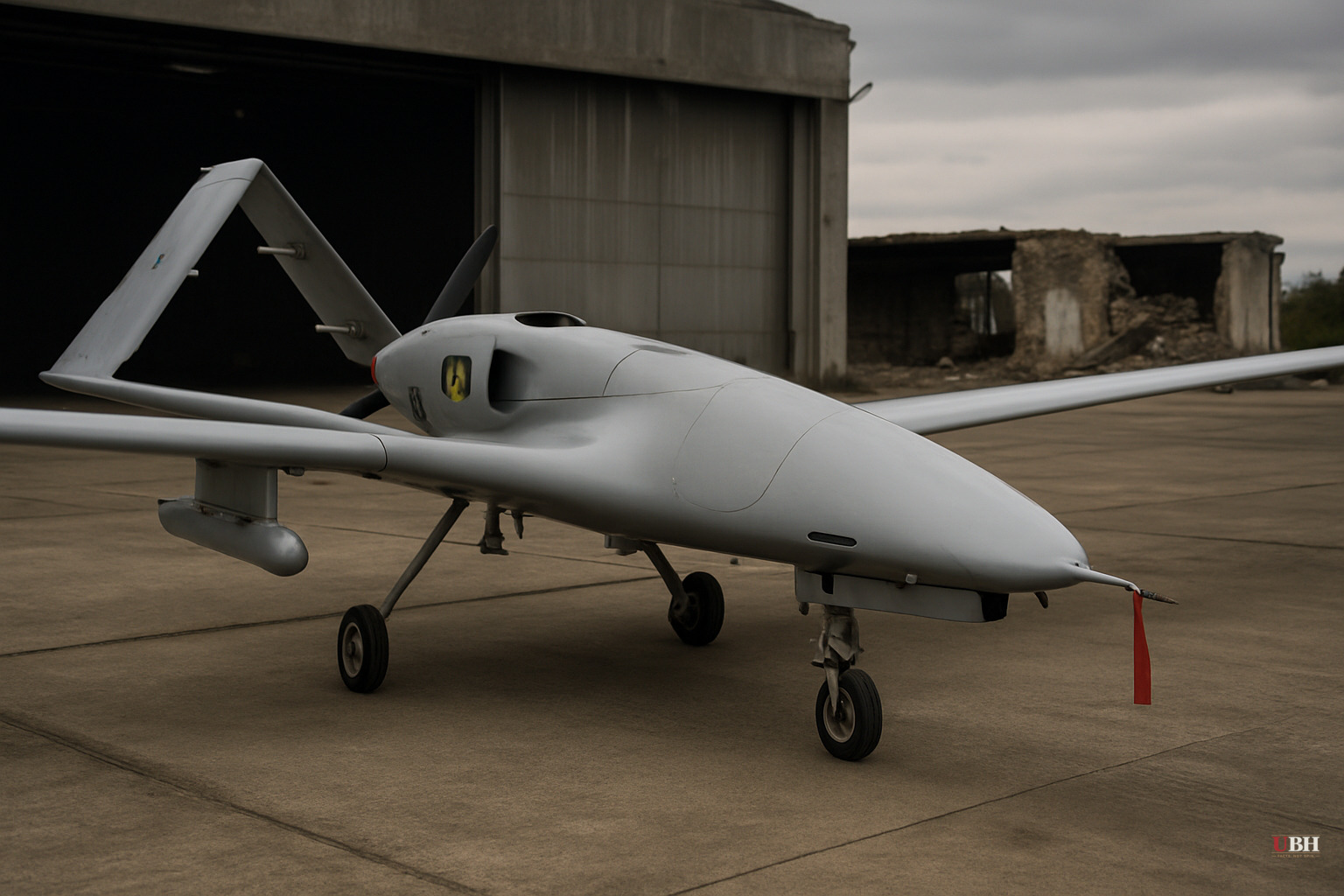
Since Ukraine's long-range drone campaign intensified this spring, its strikes have progressively walked closer to Russia's strategic rear. The Tyumen refinery hit on June 20 sat 1,240 miles from the front. The Kerch strike this weekend targeted the occupied peninsula Russia uses as its primary southern staging ground.
According to BBC News, the overnight drone attack struck an oil depot in Kerch, the eastern port city at the tip of Crimea. Russian-backed Governor Sergey Aksyonov confirmed four dead and 28 injured. He then announced that petrol stations would stop selling fuel to private individuals and businesses entirely, reserving remaining stocks for government agencies handling Crimea's "functioning and security."
"Further decisions regarding the current situation in the republic's fuel market will be announced at a later date," Aksyonov said, according to BBC.
Fuel had already been rationed on the peninsula before this strike. The BBC notes that Russian tourists vacationing in Crimea have been reporting difficulty finding petrol to get home. A complete halt to civilian sales is a qualitative step beyond rationing.
What Ukraine Says It Hit
President Volodymyr Zelensky confirmed the Kerch depot strike and said Ukraine simultaneously hit a logistics facility for oil transportation in Russia's Krasnodar region, directly across the Kerch Strait from Crimea. Local authorities there reported one person killed on a passenger ferry. Zelensky also said military logistics facilities and radar systems were struck, though he did not specify their locations.
"Russia understands only strength, and our long-range strength is certainly working for peace," Zelensky posted on X, according to BBC News.
Russia's defense ministry claimed it shot down 239 Ukrainian drones overnight. Ukraine did not independently confirm that figure.
The Strategic Logic
Ukraine's targeting pattern follows explicit objectives. BBC News describes Kyiv's dual goals: choke off fuel export revenue that funds Russia's military budget and maximize disruption for the Russian civilian population to pressure Putin toward negotiations.
Crimea is not just a tourist destination. It has served as a launch platform for Russian missile and drone strikes against Ukrainian cities throughout the war. Degrading the fuel supply on the peninsula has direct military implications, not only economic ones.
The Kerch Strait bridge, which Russia uses to resupply Crimea by road and rail, has been struck multiple times over the past two years. Ukraine is now targeting the fuel infrastructure that bridge supplies.
The Strongest Counterargument
Critics of Ukraine's civilian-pressure strategy raise a legitimate concern: strikes that kill civilians at ferry terminals and oil depots, however justified militarily, can harden Russian domestic support for the war rather than fracture it. If ordinary Russians and Crimean residents rally around Putin in response to fuel shortages and casualties, the strategy of "maximizing disruption for its population" may be counterproductive. BBC News acknowledges that despite Ukraine's escalating long-range campaign, "there is little sign" Putin is ready to negotiate, having already rebuffed Zelensky's request for direct talks in early June. The pressure campaign is real. Whether it's working is a genuinely open question.
Escalation and the Broader War
BBC News reports that both sides have escalated attacks in recent months as ceasefire progress has stalled more than four years after Russia's full-scale invasion began. Zelensky said at least seven Ukrainians were killed in Russian attacks over the same weekend, with children among more than 30 injured.
Ukraine's domestic drone industry has expanded rapidly during the war. BBC notes that Kyiv is now offering drone expertise and advice to allied nations, turning a wartime necessity into an export capability.
What Happens Next in Crimea
Aksyonov's announcement left the duration of the civilian fuel ban undefined. Russian tourists currently on the peninsula have no clear timeline for when they can buy petrol. For Crimean residents, the suspension of civilian sales with no end date announced represents the sharpest economic consequence of Ukraine's campaign to date on the peninsula.
The unresolved question: whether Russia redirects military fuel stocks to keep civilian life functioning, accepts prolonged shortages as a tradeoff, or accelerates any defensive hardening of Crimea's energy infrastructure. Aksyonov's vague promise of "further decisions" suggests the Russian administration there does not yet have an answer.
Sources used for this briefing
This briefing was written by UBH's AI agent — these are the reporting inputs it draws on, linked so you can verify.


