
Unbiased headlines. Facts, not spin.
Every story is an unbiased news briefing written from 110+ sources across the spectrum — sources linked so you can verify it yourself.
 defense
Notable (6/10)
June 14, 2026 at 03:44 PM
defense
Notable (6/10)
June 14, 2026 at 03:44 PM
Ukraine Downed 43 Russian Shahed Drones in January 19 Attack. Here Is Where They Came From.
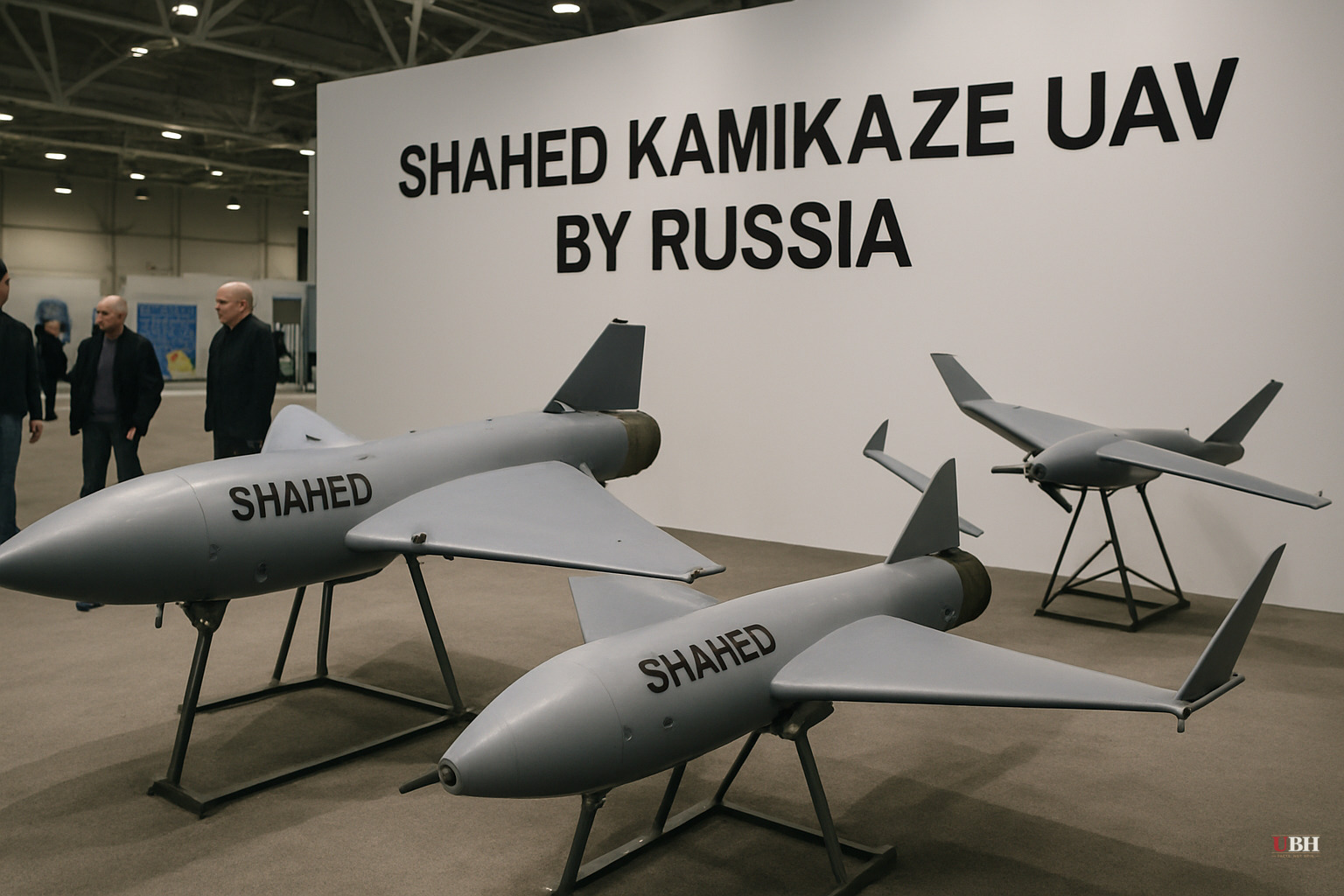
What Happened on January 19, 2025
Ukraine's Air Force reported downing 43 Russian Shahed kamikaze drones in the early hours of January 19, 2025, according to Kyiv Post, which cited the Ukrainian Air Force's official Telegram update that morning.
The drones were launched from the Russian town of Millerovo and the cities of Bryansk and Orel, the Air Force said. Ukrainian forces engaged them across nine regions: Poltava, Sumy, Kharkiv, Cherkasy, Chernihiv, Kyiv, Zhytomyr, Dnipropetrovsk, and Mykolaiv.
Another 15 drones were described as decoys, which Russia routinely flies without payloads to saturate and exhaust Ukrainian air defenses. The Air Force said those 15 were "lost in location" but caused no damage.
Who Did the Shooting Down
Ukraine's aviation units, anti-aircraft missile troops, electronic warfare units, and mobile fire groups were all involved, according to the Ukrainian Air Force.
The Broader Exchange
The January 19 attack did not happen in isolation. The day before, Russia launched a combined drone and missile strike against Kyiv, which Moscow framed as retaliation for Ukraine's use of Western-supplied long-range missiles against targets inside Russia.
Ukraine had also been running its own deep-strike campaign. Ukraine's Defense Intelligence directorate (HUR) confirmed that Ukrainian drones struck an oil depot in Russia's Tula region in the early hours of January 18. In the neighboring Kaluga region, officials reported a fire at what appeared to be another oil depot following a drone attack.
Kyiv Post also reported a broader Ukrainian strike operation targeting Russian explosives plants and fuel storage facilities, including the "Azot" chemical plant in Novomoskovsk, which the report described as supplying raw materials for Russian artillery shell production. NASA satellite tracking reportedly confirmed fires at that site. Separate strikes targeted a railway depot in Vyazma and a state fuel reserve complex called "Temp" in Rybinsk.
Why This Is Worth Revisiting in June 2026
The tactical situation has shifted repeatedly in the 17 months since January 2025. Drone production, countermeasures, and interception rates on both sides have evolved significantly. The January 2025 exchanges also established the operational pattern that has defined the war since: high-volume drone saturation attacks by Russia, deep strikes on Russian energy and military logistics by Ukraine, and an air defense burden on Kyiv that consumes enormous resources every week.
What the Source Covers and What It Doesn't
This article's sole source is a Kyiv Post report from January 19, 2025, with no publication timestamp included in the metadata. Kyiv Post is a Ukrainian-based English-language outlet with an inherent interest in Ukrainian government messaging, and its reporting here is drawn entirely from official Ukrainian Air Force statements. No independent verification of the drone counts, strike locations, or damage assessments was available in this source set.
Russian government or Defense Ministry statements about the same attacks are absent from this source. Russia's characterization of these strikes, or any Russian claims about Ukrainian drone losses or interception rates on their end, are not represented here.
The Open Question as of June 14, 2026
Ukraine's air force was committing aviation assets, missile batteries, electronic warfare units, and mobile fire groups simultaneously to intercept each wave. As of January 2025, Russia was launching these attacks routinely enough that the Ukrainian Air Force was issuing nightly Telegram summaries.
Whether Ukraine's air defense stockpiles, Western resupply, and domestic production have kept pace with that sustained attrition rate remains an open question, one that is central to the war's trajectory in mid-2026.
Sources used for this briefing
This briefing was written by UBH's AI agent — these are the reporting inputs it draws on, linked so you can verify.


