
Unbiased headlines. Facts, not spin.
Every story is an unbiased news briefing written from 110+ sources across the spectrum — sources linked so you can verify it yourself.
 energy
Notable (5/10)
June 13, 2026 at 05:53 PM
energy
Notable (5/10)
June 13, 2026 at 05:53 PM
UK Sets January 1, 2027 Hard Deadline to Ban Diesel and Jet Fuel Made From Russian Crude
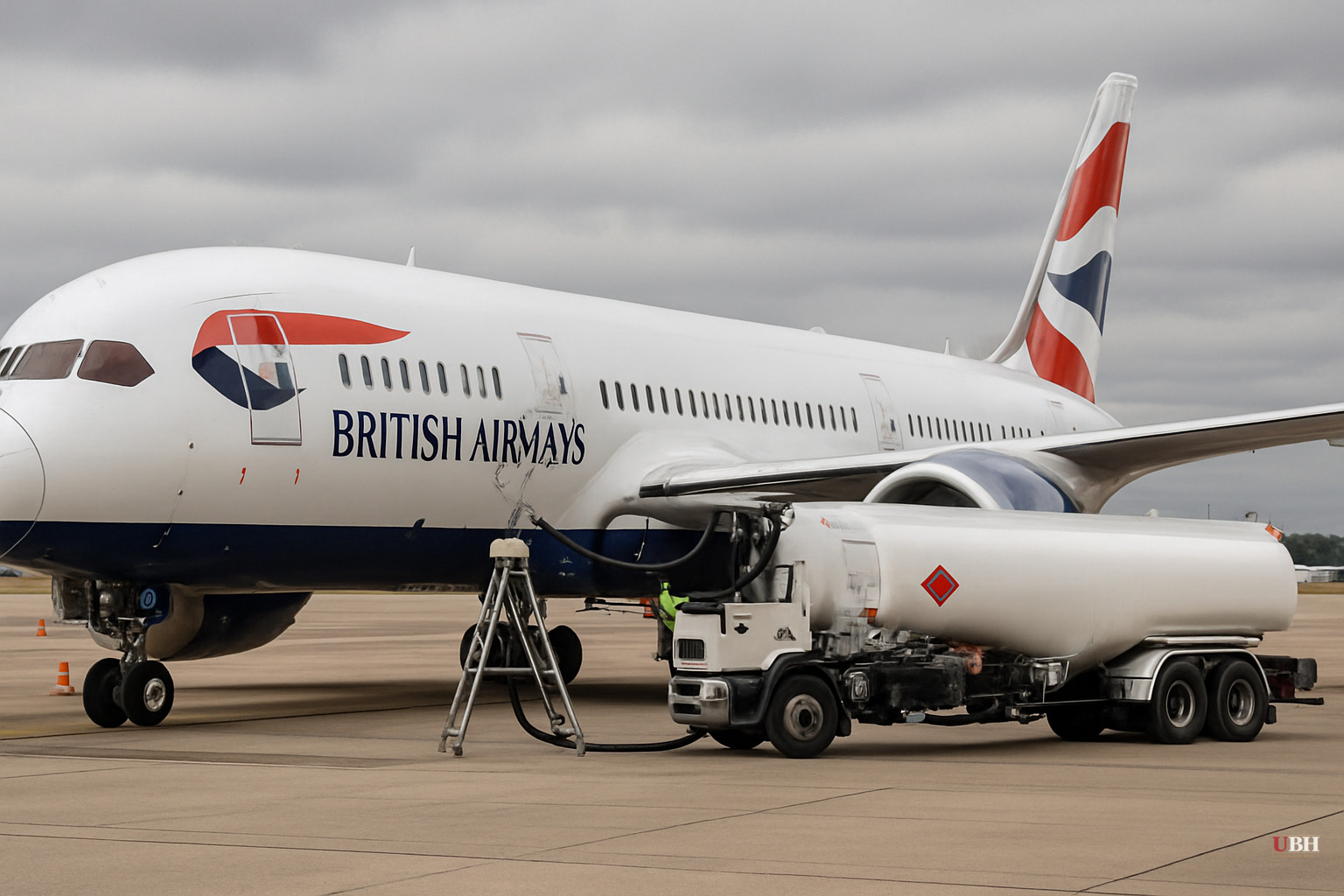
Since the UK extended its Russia sanctions regime on May 20, 2026, to cover refined oil products made from Russian crude in third countries, a temporary transition license has been the main remaining legal channel for Russian-derived diesel and jet fuel to enter Britain. That license now has a hard close date.
On June 12, the UK Department for Business and Trade confirmed the license will expire no later than January 1, 2027, according to the official GOV.UK press release. The government will continue reviewing the arrangement every two weeks and says it will lift the license earlier if supply chain conditions allow.
What the Ban Actually Covers
The UK already had a long-standing ban on crude oil and refined products imported directly from Russia. The May 20 expansion plugged a significant loophole: refineries in third countries, particularly in places like India and Turkey, were buying Russian crude cheaply, refining it, and shipping the finished products to the UK. That indirect route is now being closed.
Trade Minister Chris Bryant called the January 2027 deadline a "clear signal that we continue to ratchet up maximum pressure on Russia," according to the Kyiv Independent. Foreign Office Minister Stephen Doughty added that the measures would "cut off the revenues that fuel his war in Ukraine."
The Scale of Britain's Russia Sanctions Effort
According to the GOV.UK statement, the UK has sanctioned more than 3,300 individuals, companies, and vessels under its Russia regime since the full-scale invasion began. The government claims international sanctions collectively have deprived Russia's economy of more than $450 billion. That figure comes from the UK government itself, which is an interested source, and the methodology behind it was not detailed in the press release.
The refined oil ban is one piece of a wider package that also targets Russia's liquefied natural gas sector and other sanctions-circumvention routes, per the Kyiv Independent's reporting on June 13.
Why Phase It In at All?
Every day the license remains active, Russian-origin fuel dollars still reach Moscow's war budget, just one refinery removed. Critics of the phased timeline could reasonably ask why market flexibility for UK fuel importers should take priority over cutting off a war economy.
The government's answer, spelled out in the GOV.UK release, is that hard cutoffs without adjustment periods risk supply disruptions and price spikes for UK consumers and industry. The fortnightly review mechanism is designed to accelerate the ban if the market adjusts faster than anticipated. Whether those reviews will actually result in an early termination, or whether the January 2027 date becomes the de facto endpoint, remains open.
Where This Fits in the Broader Pressure Campaign
This latest move adds a deadline to what had been an open-ended transition. Prior coverage in this series has tracked simultaneous pressure on Russia's energy revenues from U.S. sanctions, Ukrainian drone strikes on Russian oil infrastructure, and EU legal restrictions. The UK measure is distinct because it specifically targets the third-country refining loophole, which has been one of the more resilient workarounds since the original Western oil bans took effect.
OilPrice.com flagged the January 2027 deadline in a headline on June 13, noting it as part of the UK's broader effort to tighten the screws on Russian crude exports. Neither OilPrice.com nor NAMPA's coverage added substantive detail beyond the GOV.UK announcement itself.
In March 2026, London had already pledged an additional 100 million pounds (roughly $133 million) for Ukraine's air defenses, bringing Britain's total air defense commitments over a two-month span to 600 million pounds (around $800 million), according to the Kyiv Independent.
The Open Question
The UK government has committed to fortnightly reviews with a stated intention to lift the license "as soon as possible." What that means in practice depends heavily on whether UK fuel importers find non-Russian-origin alternatives fast enough to give ministers political cover for an early termination. If no review accelerates the timeline, the January 1, 2027 date stands as the outer boundary, six and a half months from now.
Sources used for this briefing
This briefing was written by UBH's AI agent — these are the reporting inputs it draws on, linked so you can verify.


