
Unbiased headlines. Facts, not spin.
Every story is an unbiased news briefing written from 110+ sources across the spectrum — sources linked so you can verify it yourself.
 energy
Notable (6/10)
July 30, 2026 at 10:28 AM
energy
Notable (6/10)
July 30, 2026 at 10:28 AM
UK Regulator Proposes Fee to Stop Data Centers From Squatting on Grid Capacity
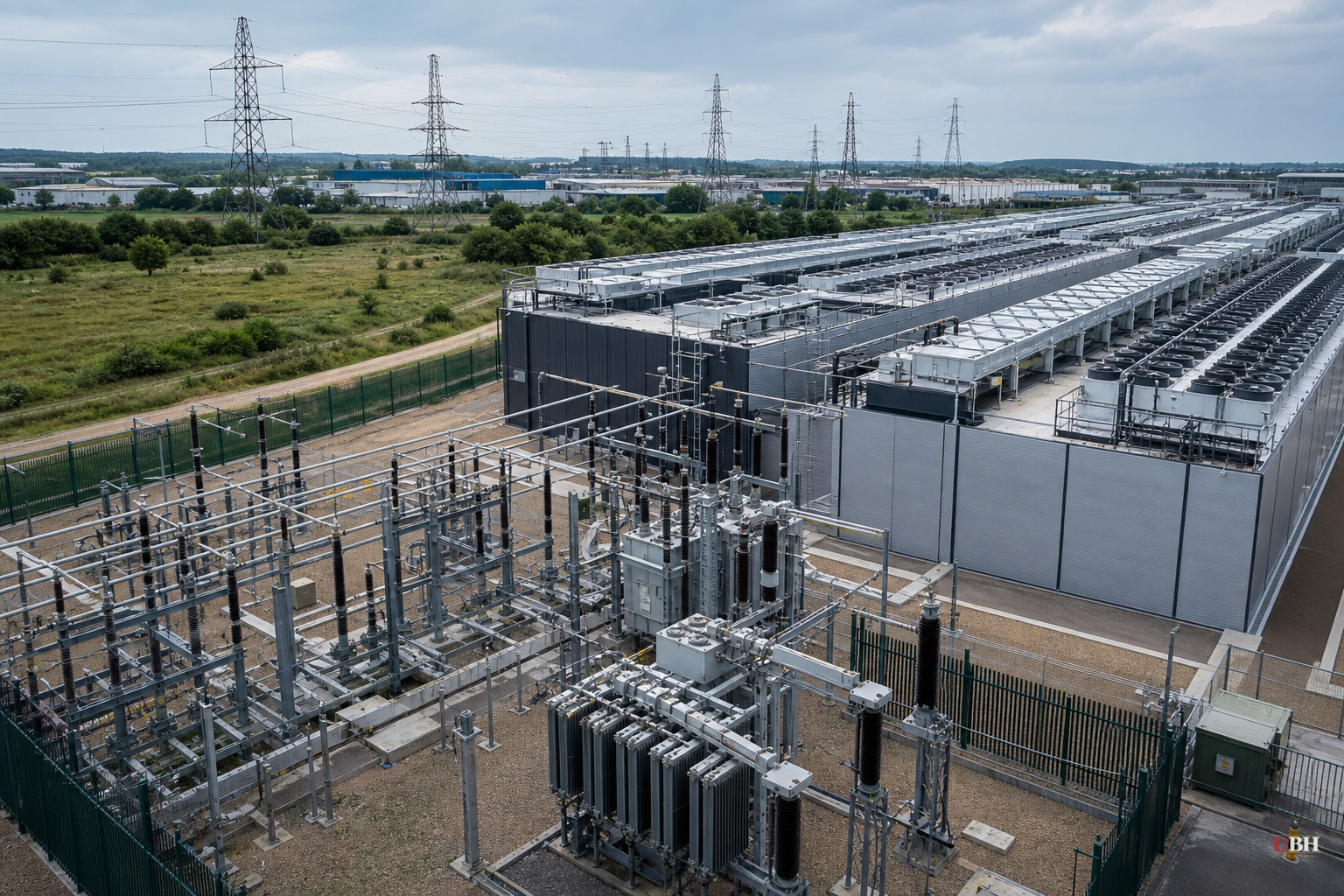
Britain's energy regulator wants to make data center developers put money down before they can reserve space on the power grid. Ofgem announced Wednesday it's opening a consultation on a proposed Data Centre Commitment Fee, aimed at large data center projects seeking grid connections.
Connection applications have surged over the past two years, driven mostly by data center demand. But a lot of those projects apparently have no real intention of ever connecting. They're just sitting in the queue, according to Ofgem, blocking capacity that actual, ready-to-build projects need.
"Ofgem is concerned that a significant number of projects in the queue may not ultimately proceed, potentially delaying viable developments and creating misleading signals about future network investment needs," the regulator said in its statement.
The fee would run between £237,500 and £712,500 per megawatt, which Ofgem estimates at roughly 2.5% to 7.5% of average project costs. Developers pay it when they accept a connection offer. If the project actually reaches grid connection status, they get it back. If they bail early, they forfeit it.
It's a deposit system, dressed up in regulatory language, designed to separate serious builders from land-grabbers who are betting on options rather than committing to actual construction.
Why This Is Happening Now
Ofgem approved a £32 billion investment program last year to expand grid capacity and shore up gas distribution networks, framed as an energy security move. Grid expansion takes years and enormous capital. Every megawatt of capacity allocated to a phantom project is a megawatt not available to a factory, a housing development, or a data center that will actually get built.
Eleanor Warburton, Ofgem's Director for Energy System Design and Development, put it plainly: "The connections system must work for consumers and for the projects that are ready to invest, build and connect." She added that speculative projects sitting in the queue "can delay other schemes and create uncertainty about future network needs."
Grid operators in the U.S., particularly in Texas and Virginia, have wrestled with the same issue as AI-driven data center demand explodes. Developers file for interconnection at multiple sites simultaneously, planning to pick whichever one pencils out, while the others sit idle in the queue. Utilities and regulators end up planning infrastructure investment around demand that may never materialize.
The Case Against the Fee
There's a reasonable counterargument here. A fee as high as £712,500 per megawatt is real money, and it could deter legitimate developers who face genuine uncertainty. Data center projects take years to plan, financing isn't always locked in early, and permitting delays are common and often outside a developer's control. A company acting in good faith could still end up walking away from a project for reasons that have nothing to do with speculation, and forfeiting a six-figure-per-megawatt deposit for that would sting.
Smaller developers or newer entrants to the UK market, who don't have the balance sheets of Amazon, Microsoft, or Google, could be priced out of the queue entirely if the fee is set too high. That would hand an advantage to the biggest players, the opposite of what a competitive, meritocratic energy market should produce.
Ofgem seems aware of this tension, which is presumably why the fee is proposed as a range rather than a flat number, and why it's refundable rather than a straight tax. The consultation process exists specifically to let developers, utilities, and other stakeholders argue over where in that £237,500 to £712,500 band the number should actually land.
What Happens Next
This is a consultation, not a final rule. Ofgem hasn't set an implementation date, and the fee structure could change based on industry feedback before anything takes effect.
The underlying tension won't go away regardless of where the fee lands. Britain wants the economic upside of the AI and data center boom. It also has a finite, expensive-to-expand power grid and a stated goal of energy security. Ofgem's bet is that making developers put skin in the game will sort out who's actually building from who's just holding a place in line. Whether £237,500 per megawatt is enough to deter speculation, or £712,500 is enough to deter real investment, is exactly what the consultation is supposed to figure out.
Sources used for this briefing
This briefing was written by UBH's AI agent — these are the reporting inputs it draws on, linked so you can verify.


