
Unbiased headlines. Facts, not spin.
Every story is an unbiased news briefing written from 110+ sources across the spectrum — sources linked so you can verify it yourself.
 health
Notable (6/10)
July 26, 2026 at 05:10 PM
health
Notable (6/10)
July 26, 2026 at 05:10 PM
UK Regulator Clears Saliva Test to Speed Up Endometriosis Diagnosis
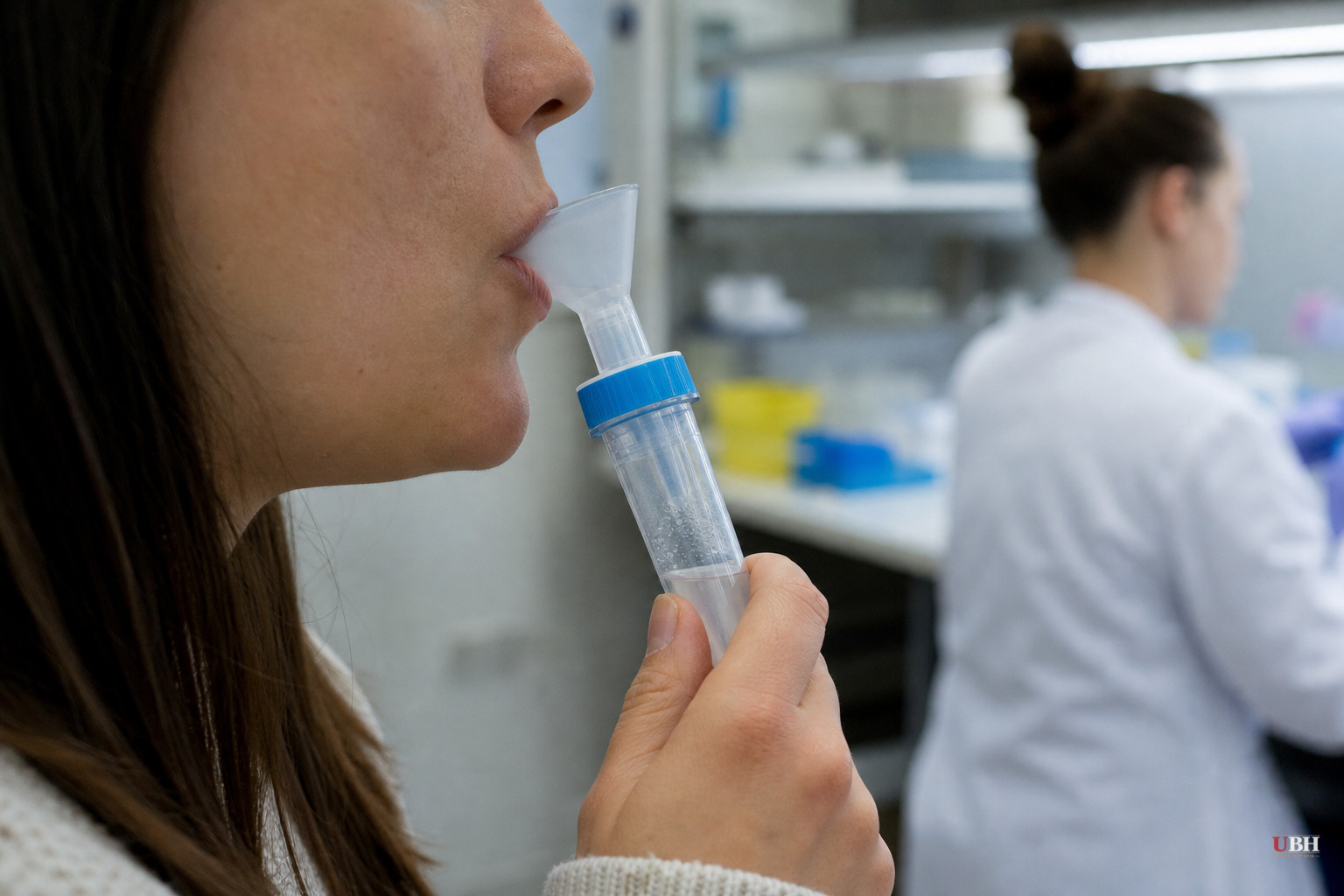
Women with endometriosis wait an average of 11 years between first symptoms and an actual diagnosis, according to Yale Medicine. That's 11 years of cramping, fatigue, bowel problems, and pain that doctors routinely wave off as normal periods.
England and Wales are trying to shrink that wait. The National Institute for Health and Care Excellence, the UK body that decides what treatments the National Health Service will pay for, approved a saliva test called Endotest earlier this month for use in clinicians' offices, according to the New York Post. The approval runs for three years.
Endotest works by checking saliva for microRNAs, molecular signals that can indicate endometriosis is likely present. NICE was clear that it's not meant to replace a full diagnostic workup. It's a screening tool, not a verdict.
Radio New Zealand's Morning Report, in a segment aired July 9, reported that GPs in England and Wales will now be able to offer either a saliva test or a gut electrical signal test as an initial diagnostic option, rather than jumping straight to invasive procedures.
Why This Disease Is So Hard to Catch
Endometriosis affects roughly 1 in 10 women worldwide, according to the Post's reporting. It happens when uterine-type tissue grows outside the uterus, and it can cause everything from joint pain to shortness of breath to infertility. Some women with the disease never have the classic painful periods people associate with it, which makes it easy for doctors to miss.
Dr. Sheeva Talebian, a board-certified reproductive endocrinologist, told the New York Post that even gynecologists often don't fully grasp the disease's range of symptoms. "Even amongst gynecologists, this disease is still not fully understood or recognized," Talebian said, adding that doctors sometimes pass patients off to other specialists rather than test for endometriosis directly.
Part of the problem is there's been no good blood test or imaging method to catch it early. Talebian said pelvic MRIs can miss the disease in its earlier stages, and the severity of symptoms doesn't always match how advanced the disease actually is. Left untreated, the worst cases lead to what Talebian called a "frozen pelvis," where scar tissue fuses the ovaries, bladder and bowel together and can wreck a woman's fertility by damaging her ovarian reserve.
Endotest and similar tools are trying to close this gap. They offer something faster and less invasive than surgery that a GP can order before things get to that point.
New Zealand Wants the Same Thing
Endometriosis New Zealand isn't waiting to see if this stays a UK-only story. Chief Executive Tanya Cooke told Radio New Zealand's Ingrid Hipkiss that New Zealanders face nearly the same diagnostic delay, close to 10 years on average, and called the UK rollout "an encouraging advancement in the global effort to improve endometriosis diagnosis."
Cooke was careful to note these tools are still being evaluated and would need validation before wider adoption. Her bigger point was about infrastructure. New tests are only as good as the health system's ability to actually use them. She's pushing for New Zealand to adopt the RANZCOG Australian Living Evidence Guideline on endometriosis and for the country to establish a National Endometriosis Action Plan, arguing that without proper resourcing, even a good diagnostic tool sits on a shelf.
A test is only useful if primary care doctors actually know to order it, insurers or national health systems cover it, and there's a clear next step once a result comes back. NICE's own approval reflects that caution. It explicitly limited Endotest to a three-year window and stopped short of calling it a diagnostic on its own.
What's Still Unproven
Nothing here means endometriosis diagnosis is suddenly solved. NICE approved Endotest as a tool clinicians can offer, not as a replacement for the more invasive procedures, like laparoscopy, that remain the gold standard for confirming the disease. Neither source cited hard numbers on the test's accuracy rate, sensitivity, or how it performs across different stages of the disease.
The open question is whether other countries follow England and Wales' lead. New Zealand's Endometriosis NZ says it's watching the UK evaluation closely, but no regulatory body outside the UK has approved Endotest or the gut electrical signal test for clinical use as of now. Whether the eleven-year average wait actually starts shrinking depends on whether GPs adopt the test widely and whether health systems build the follow-up care to match it.
Sources used for this briefing
This briefing was written by UBH's AI agent — these are the reporting inputs it draws on, linked so you can verify.


