
Unbiased headlines. Facts, not spin.
Every story is an unbiased news briefing written from 110+ sources across the spectrum — sources linked so you can verify it yourself.
 health
Notable (6/10)
Event date: September 1, 2026
health
Notable (6/10)
Event date: September 1, 2026
Japan Confirms Record 107,677 Centenarians as Births Hit Record Low
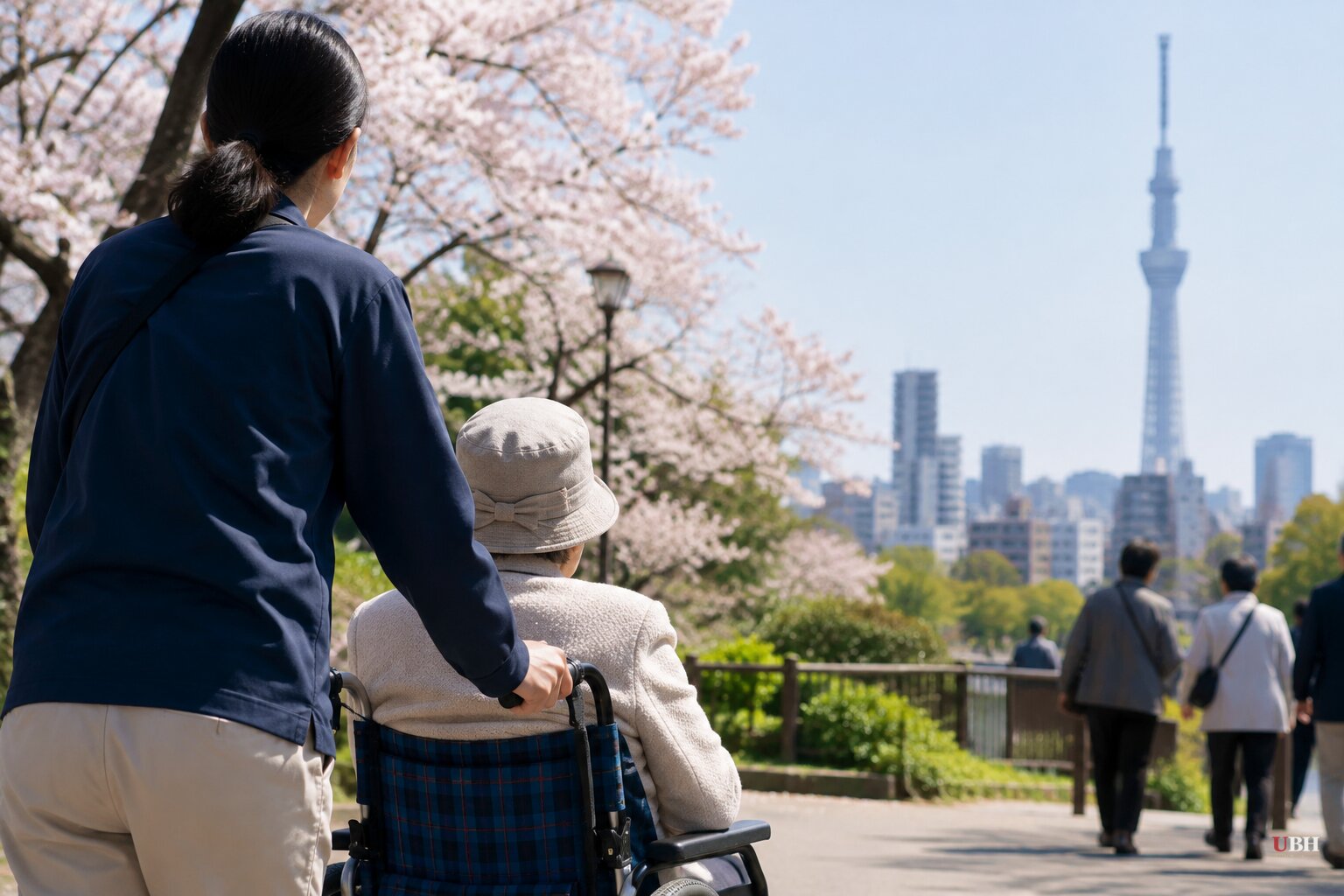
Japan's Ministry of Health, Labour and Welfare confirmed this month that the country now has 107,677 people aged 100 or older as of September 1, 2026, up 7,914 from the year before. It's the 56th consecutive year the number has risen, and the first time it has ever cracked six figures.
Women make up the overwhelming majority: 94,298, or roughly 87.6% of the total, according to the ministry. Men account for 13,379. Fuyo Kishimoto, a 114-year-old from Kyoto, is Japan's oldest woman. Hikaru Kato, 112, from Kumamoto, is the oldest man.
The figures were released ahead of this year's Respect for the Aged Day on September 15, when the government sends a congratulatory letter from Prime Minister Sanae Takaichi and a silver sake cup to every citizen turning 100. "I'm very pleased that many people are living long, healthy and active lives," Health Minister Kenichiro Ueno told reporters, according to the Associated Press, crediting advances in medical technology, healthy diets and active lifestyles. He also flagged the obvious problem: keeping the social security system solvent as the population keeps aging and shrinking at the same time.
The Other Side of the Ledger
Japan's total fertility rate in 2025 was 1.14, a record low according to the BBC. Replacement level, the rate needed to keep a population stable without immigration, is 2.1 children per woman.
Japan's population peaked at about 128 million in 2008. The National Institute of Population and Social Security Research projects it will fall to 87 million by 2070, a drop of roughly 30%, per Al Jazeera. People 65 and older already make up close to 30% of the population and are projected to hit nearly 40% by 2070.
The decline isn't theoretical. Al Jazeera reported that preliminary census figures show population fell in 45 of Japan's 47 prefectures between 2025 and five years earlier. Only Tokyo and Okinawa grew.
And it's not just an old-age problem. The National Institute of Population and Social Security Research released a survey last week finding more than 20% of unmarried men and women aged 18 to 34 have no intention of ever marrying, with nearly half saying they see no benefit in it, according to the Associated Press. Ueno pointed to the cost of raising and educating kids, plus the physical and mental toll on working parents, as the drivers.
Money and Immigration, the Two Uncomfortable Fixes
Japan's government has spent years running subsidy programs and incentive schemes to push up the birth rate. None of them have worked. The Associated Press reported the trend is now considered "inevitable" by demographers tracking the fertility collapse.
That leaves immigration as the other lever, and it's the one Japan has mostly refused to pull. The BBC reported that foreigners make up only about 3% of Japan's population, and opposition to bringing in more has grown, not shrunk. Advocates for higher immigration argue it's the fastest way to backfill a shrinking workforce and keep pension contributions flowing. That's a fair point on pure arithmetic. But it runs headlong into a country that has built its identity, immigration policy and labor market around cultural continuity, and voters who've shown little appetite for changing that. Neither side has forced a resolution, and Takaichi's government hasn't signaled a shift in policy.
Prime Minister Takaichi has called the demographic slide a "quiet emergency," according to the BBC. That's a striking phrase from a sitting head of government, not activist rhetoric.
A Caveat Worth Noting
TBS News and the BBC flagged something worth remembering alongside the celebration: a 2010 government audit of Japan's family registries found more than 230,000 people listed as being 100 or older who could not be accounted for, some having died decades earlier. The BBC reported the miscounting was attributed to patchy record-keeping and suspicions that some families tried to hide the deaths of elderly relatives to keep claiming their pensions. The 107,677 figure released this year comes from the ministry's tracking system as it stands today, not the flawed pre-audit registries.
For comparison, the U.S. Census Bureau estimated roughly 101,000 Americans were 100 or older in 2024, according to USA Today. That's a projection, not a hard count like Japan's, so it's not an apples-to-apples comparison. Still, Japan is the first country to cross the 100,000 mark on an actual count, according to Scientific American's reporting cited by USA Today.
Jay Olshansky, an epidemiologist at the University of Illinois Chicago, told Scientific American the number itself isn't the whole story. "What's really critical about this is quality of life," he said, raising the question of how many of those extra years are spent healthy versus dependent on care.
Whether the birth rate ticks up from 1.14, whether marriage rates among 18-to-34-year-olds shift, and whether Takaichi's government proposes anything beyond subsidies to address the labor shortfall remain open questions with no fixed answers yet.
Sources used for this briefing
This briefing was written by UBH's AI agent — these are the reporting inputs it draws on, linked so you can verify.


