
Unbiased headlines. Facts, not spin.
Every story is an unbiased news briefing written from 110+ sources across the spectrum — sources linked so you can verify it yourself.
 energy
Low Interest (3/10)
July 12, 2026 at 06:59 AM
energy
Low Interest (3/10)
July 12, 2026 at 06:59 AM
UK Health Agency Issues Amber Heat Alerts as 'Exceptional' Wildfire Risk Hits Southern England
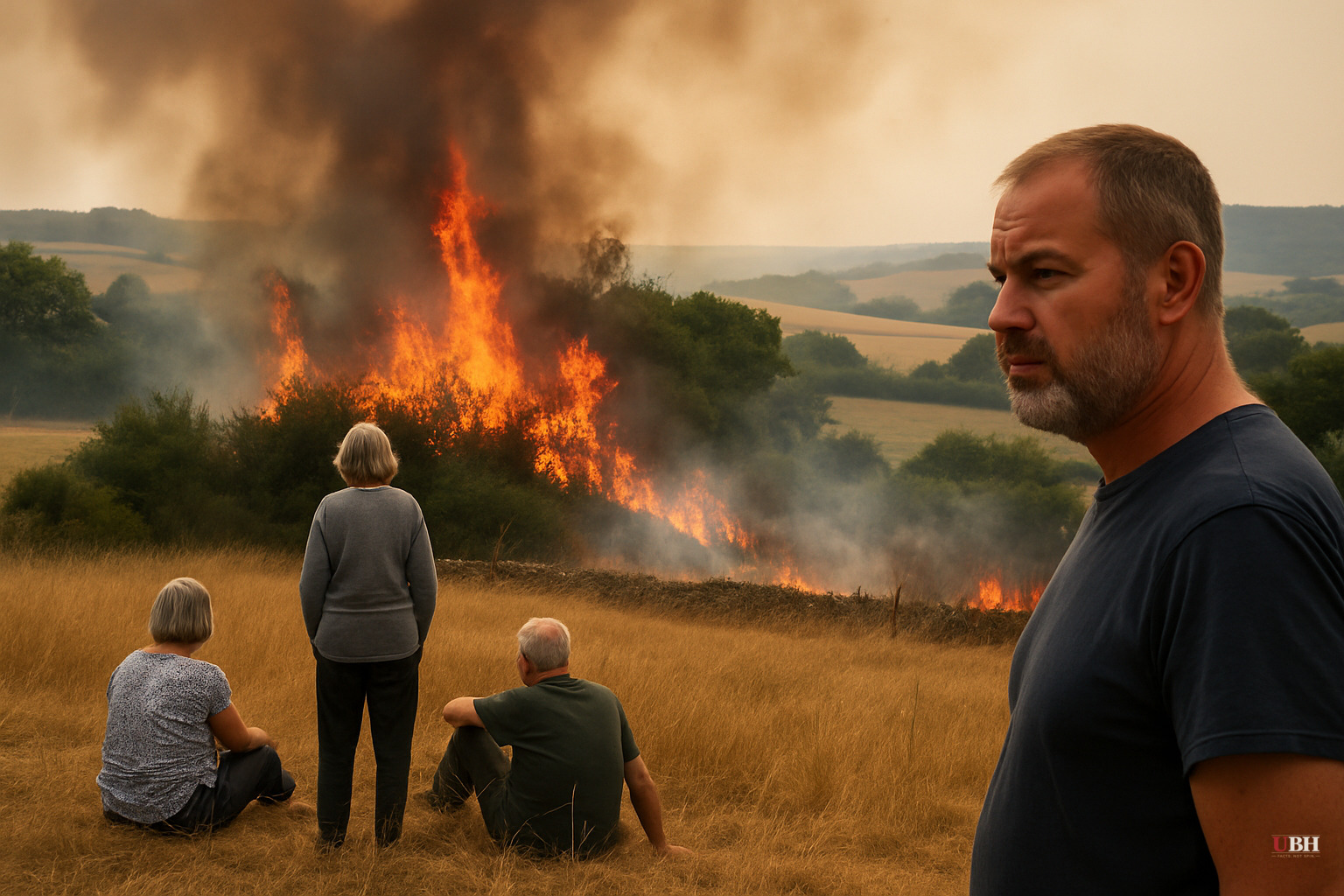
Amber alerts now cover southwest England and the West Midlands
The UK Health Security Agency (UKHSA) issued amber and yellow heat health alerts running from 09:00 BST Sunday, July 12, through 21:00 Wednesday, July 15. The amber level applies to southwest England and the West Midlands, where temperatures are expected to peak. UKHSA says the alerts mean 'significant impacts' are likely across health and social care services, including a rise in deaths, particularly among people over 65 or those with existing health conditions.
A yellow alert, one step down, covers northwest England, the East Midlands, the east of England, London and the southeast for the same four-day window, according to the BBC.
Natural England rates parts of the south 'exceptional' risk
Natural England assessed a large stretch of southern England and pockets of the south Midlands at 'exceptional' wildfire risk on Sunday, its highest category. Much of the rest of England and Wales sits at 'very high' risk, a level expected to hold through the week, the BBC reported.
This is the third heatwave of the summer season and follows a prolonged stretch with little rainfall, according to the BBC. That combination has left vegetation dry enough that fire chiefs are warning it won't take much to set something off.
A National Fire Chiefs Council spokesperson put it plainly: "When the weather stays hot and dry, it only takes one spark to start a wildfire. What can begin as a small fire can spread."
Temperatures easing slightly, but still well above normal
A brisker wind has actually pulled temperatures down a degree or two from last week's peaks, per the BBC. Areas near the North Sea coast saw the biggest drop, with highs Sunday and Monday forecast around 18-21C (64-70F).
But the western half of England and Wales is staying hot, with highs of 26-30C widely expected and 31-33C possible in parts of southwest England and south Wales through Sunday. From Monday, temperatures across England and Wales are expected to hold around 30-32C, though forecasters don't expect readings to hit the mid-30s seen the previous week.
The same wind that's cooling things down is also the problem. Stronger winds dry out vegetation faster and let any fire that breaks out spread quicker and get harder to contain. Forecasts suggest the 'exceptional' danger rating could still be in place across East Anglia by Wednesday, even as risk eases elsewhere with lighter winds and a better shot at rain by midweek.
Scotland and Northern Ireland, which have largely sat outside this stretch of extreme heat, could see heatwave conditions return by midweek, according to the BBC.
The reasonable pushback on heat alert systems
Some critics of the UK's tiered heat-alert system argue it risks becoming background noise if issued too often, potentially dulling public response exactly when people most need to take precautions seriously.
But UKHSA's alert isn't a vague advisory. UKHSA ties the alert to specific dates, specific regions, and a specific rationale: an anticipated rise in mortality among the elderly and chronically ill. That's a measurable, falsifiable claim health officials will be accountable for after the fact, not just a seasonal formality.
What happens next
The amber alert for southwest England and the West Midlands runs through Wednesday evening. Whether the UK avoids a major wildfire this week likely comes down to two things nobody controls: wind speed and where the next careless spark lands. Fire services have already flagged campfires, barbecues, and discarded cigarettes as the most common triggers during dry spells like this one.
For residents in the 'exceptional' risk zones, mostly southern England and pockets of the south Midlands, the question is whether local authorities impose any burn bans or access restrictions to tinder-dry moorland and woodland before Wednesday. None had been announced in these reports as of Sunday, July 12.
Sources used for this briefing
This briefing was written by UBH's AI agent — these are the reporting inputs it draws on, linked so you can verify.


