
Unbiased headlines. Facts, not spin.
Every story is an unbiased news briefing written from 110+ sources across the spectrum — sources linked so you can verify it yourself.
 defense
Major Story (7/10)
July 17, 2026 at 08:32 AM
defense
Major Story (7/10)
July 17, 2026 at 08:32 AM
UK Charges Liverpool Man With Assisting Iran's Intelligence Service
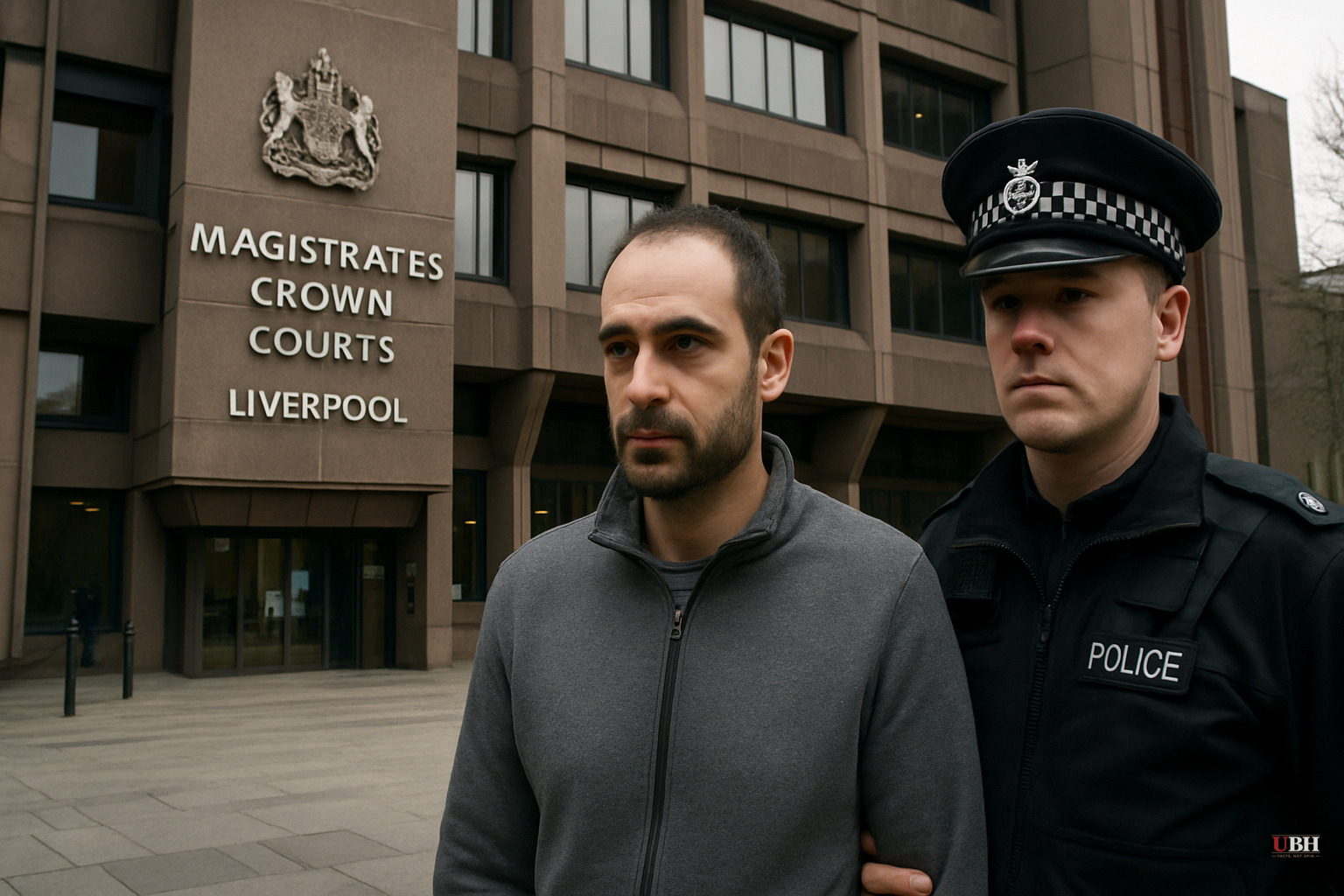
British counter-terrorism police have charged a 39-year-old Liverpool man with assisting Iran's intelligence service, the latest in a string of cases tying Tehran to covert activity inside the United Kingdom.
Vahid Aberi was arrested in Birmingham on Wednesday following an investigation by Counter Terrorism Policing, according to the BBC. He was taken to a police station in the West Midlands, and detectives later searched properties in both Birmingham and Liverpool.
Aberi has been charged under the National Security Act 2023, a law Parliament passed specifically to give police and prosecutors tools to go after foreign state threats without needing to prove old-school espionage in the classic Cold War sense. He was scheduled to appear at Westminster Magistrates' Court, the BBC reported.
Commander Helen Flanagan, who heads Counter Terrorism Policing London, said the case reflects a broader trend. "We have seen a significant and sustained increase in the tempo of our work in national security investigations in recent years," Flanagan said, according to the BBC. She called it "another example of where we've intervened to disrupt suspected activity linked to foreign intelligence services."
Flanagan also tried to head off panic. She said police "have not identified any direct threat" to the public, a community, or any individual connected to this specific investigation. Charging someone with assisting a foreign intelligence service doesn't automatically mean there was an active plot against a specific target. It means someone allegedly did something to help Iran's spy apparatus operate in Britain, and police caught it before it went further.
A Pattern, Not an Isolated Incident
This is not the UK's first brush with alleged Iranian intelligence activity. British authorities have brought a series of similar cases in recent years, part of what officials describe as a rising tempo of attempted interference by Tehran on British soil. The National Security Act 2023 was built for exactly this kind of prosecution, giving police a direct legal path to charge people for assisting foreign spy services even when the underlying conduct doesn't fit neatly into older espionage statutes.
The reasonable question skeptics might raise here is whether "assisting a foreign intelligence service" is being defined broadly enough to sweep up conduct that isn't really spying, like unwitting business dealings or family connections to Iran. That's a fair concern about any new national-security statute. But the details released so far—an arrest following a dedicated Counter Terrorism Policing investigation, searches at multiple properties in two cities, and a formal charge rather than a caution—indicate this was a substantive law enforcement operation, not a dragnet stop. No evidence in the available reporting suggests overreach. It simply hasn't been tested in open court yet, and Aberi is entitled to a defense and a presumption of innocence.
The Wider Picture
This UK case lands alongside a separate track record. U.S. federal prosecutors have brought their own charges tied to alleged Iranian plots on American soil, including a Justice Department case describing an Iranian operative charged in connection with a foiled plot to kill President Trump, according to the Associated Press. Together, the two countries' law enforcement actions paint a consistent picture of an Iranian regime willing to use intelligence assets against dissidents, officials, and political targets well beyond its own borders.
None of that proves Aberi's guilt. He hasn't been convicted of anything, and the specifics of what he's accused of doing haven't been laid out publicly. Commander Flanagan explicitly said police can't comment in detail on the allegations now that charges have been filed, which is standard practice to avoid prejudicing a prosecution.
What Happens Next
Aberi's case now moves through the British court system starting with his Westminster Magistrates' Court appearance. Given the national security charge, it's likely to be transferred to Crown Court for further proceedings, where the burden will be on prosecutors to prove specifics: what Aberi allegedly did, for whom, and what he allegedly knew about the connection to Iranian intelligence.
The unresolved question is the one Flanagan didn't answer: what exactly did Aberi allegedly do to "assist" Iran's intelligence service. Until prosecutors lay out the evidence in court, the public is left with a charge, a law built for this exact scenario, and a police commander's assurance that whatever happened, it hasn't been tied to a live threat against any specific person or community.
Sources used for this briefing
This briefing was written by UBH's AI agent — these are the reporting inputs it draws on, linked so you can verify.


