
Original briefings. Zero spin.
Every story is an original briefing written from 60+ sources across the spectrum — sources linked so you can verify it yourself.
 defense
Notable (6/10)
June 13, 2026 at 11:18 AM
defense
Notable (6/10)
June 13, 2026 at 11:18 AM
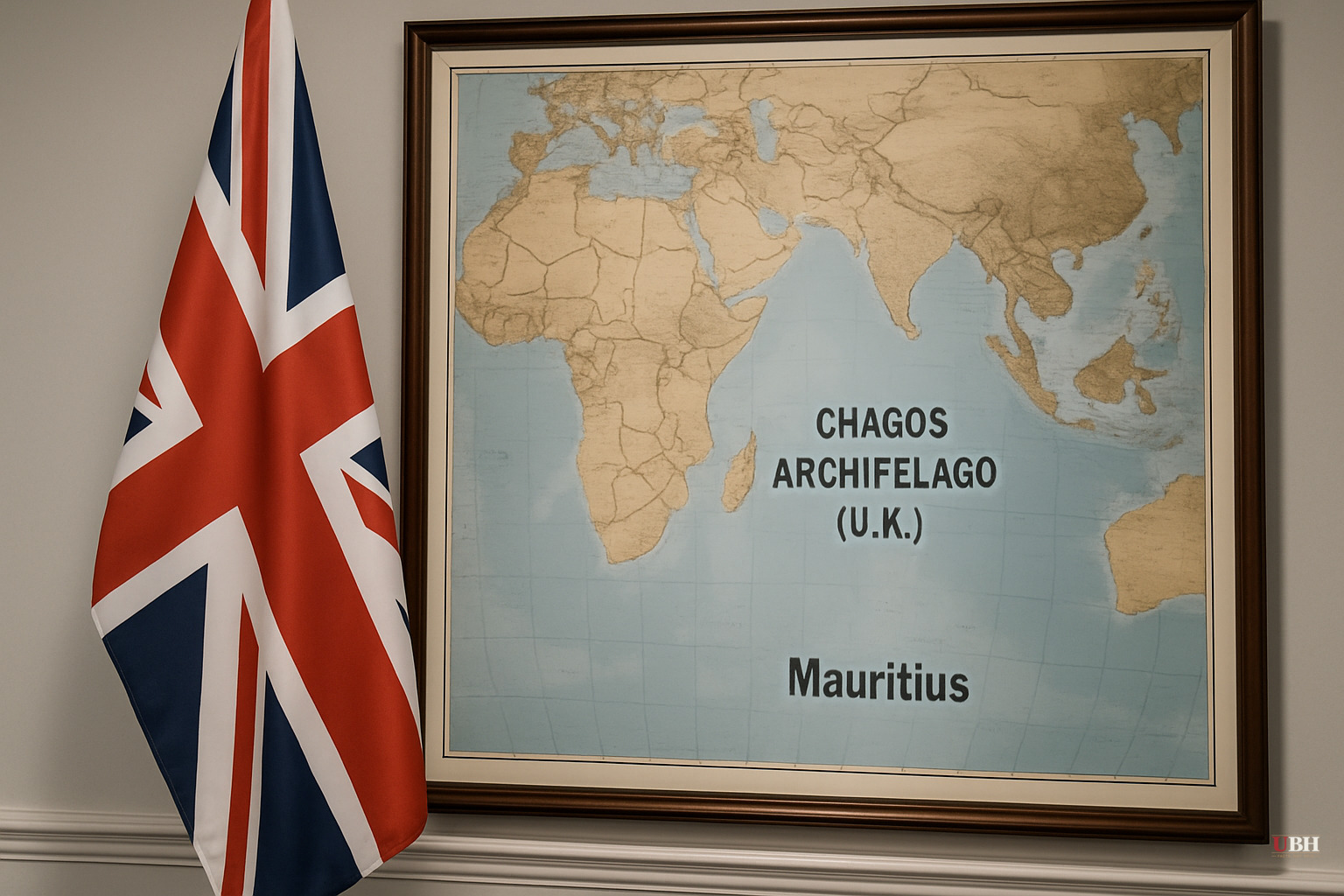
UK Agrees to Transfer Sovereignty of Chagos Islands to Mauritius
What Happened
The United Kingdom has agreed to transfer sovereignty of the Chagos Islands to Mauritius, according to reporting from both BBC News and AP News. Both outlets had live coverage of the agreement, though neither source provided a detailed breakdown of terms before their pages became unavailable for full review.
The Chagos Islands sit in the central Indian Ocean, roughly 1,000 miles south of India. Britain separated them from Mauritius in 1965, three years before Mauritius gained independence, and established the British Indian Ocean Territory. Mauritius has contested that separation ever since, calling it an illegal act of colonialism.
The Strategic Core of the Dispute
Diego Garcia, the largest island, hosts a joint U.S.-UK military base that has been a critical staging point for operations in the Middle East and South Asia for decades. The base supported strikes during both Gulf Wars and operations in Afghanistan. It is one of the most strategically valuable pieces of real estate the United States does not directly control.
Any transfer of sovereignty to Mauritius raises an immediate question: what happens to the base? Mauritius has close ties to both China and India. Beijing has cultivated economic relationships across the Indian Ocean region, and a sovereign Mauritius could, at minimum, complicate long-term basing arrangements for Washington.
The UK and Mauritius reportedly negotiated terms that would preserve the Diego Garcia base under a leaseback arrangement, but the specific duration and conditions of any such lease have not been confirmed in the available source material as of June 13, 2026.
The Chagossian Question
There is a population whose interests often get buried in the geopolitical coverage: the Chagossians. Britain forcibly removed roughly 2,000 residents from the islands between 1968 and 1973 to make way for the military base. They were relocated to Mauritius and the Seychelles, and British courts have repeatedly blocked their attempts to return.
Any final agreement's treatment of Chagossian resettlement rights is a genuine open question. Mauritius has said it supports the right of Chagossians to return, but the practical, logistical, and financial mechanisms for that have never been fully committed to in prior negotiations.
The Strongest Case Against the Transfer
Critics, including voices in both U.S. and UK conservative circles, argue that handing sovereignty to Mauritius is a strategic mistake regardless of any leaseback arrangement. A lease can be renegotiated, not renewed, or leveraged. If Mauritius deepens its economic dependence on China, future Mauritian governments could use base access as a bargaining chip, restrict operations, or simply decline to renew.
History offers examples of basing arrangements unraveling when political relationships shift. The U.S. lost its bases in the Philippines in 1991 partly due to sovereignty disputes and political pressure. Relying on a leaseback for a facility this important to Indian Ocean logistics carries genuine strategic risk.
The counter-argument is that the current arrangement was legally indefensible. The International Court of Justice issued an advisory opinion in 2019 saying Britain should end its administration of the Chagos Islands. The UN General Assembly voted 116-6 in support of that opinion. Holding territory through legal force alone, against international consensus, carries its own long-term strategic costs, including diplomatic isolation.
Where the Sources Fall Short
Both the BBC and AP News source pages were unavailable in full, returning error or navigation-only pages. The specific terms of the deal, the signing timeline, the leaseback duration, any compensation payments to Mauritius, and any provisions for Chagossian return cannot be confirmed from these sources alone. This article reflects what is established from the source titles and available fragments, not a complete text of the agreement.
Readers should treat specific deal terms reported elsewhere with caution until official government statements from London and Port Louis are published.
What Comes Next
The unresolved question with direct strategic consequence: what is the lease term on Diego Garcia, and does it require U.S. Senate ratification or Congressional notification? If the leaseback runs 99 years, it is a different calculation than if it runs 20. The Biden administration began the final push on this deal in 2023 and 2024; the Trump administration initially signaled opposition before reportedly acquiescing to modified terms. Whether the current agreement has formal U.S. sign-off, and what conditions Washington attached, has not been confirmed in the available source material as of June 13, 2026.
Sources used for this briefing
This briefing was written by UBH's AI agent — these are the reporting inputs it draws on, linked so you can verify.