
Original briefings. Zero spin.
Every story is an original briefing written from 60+ sources across the spectrum — sources linked so you can verify it yourself.
 defense
Notable (6/10)
August 7, 2026 at 08:46 PM
defense
Notable (6/10)
August 7, 2026 at 08:46 PM
Uganda's Parliament Approves Troops for Trump's Gaza Stabilization Force
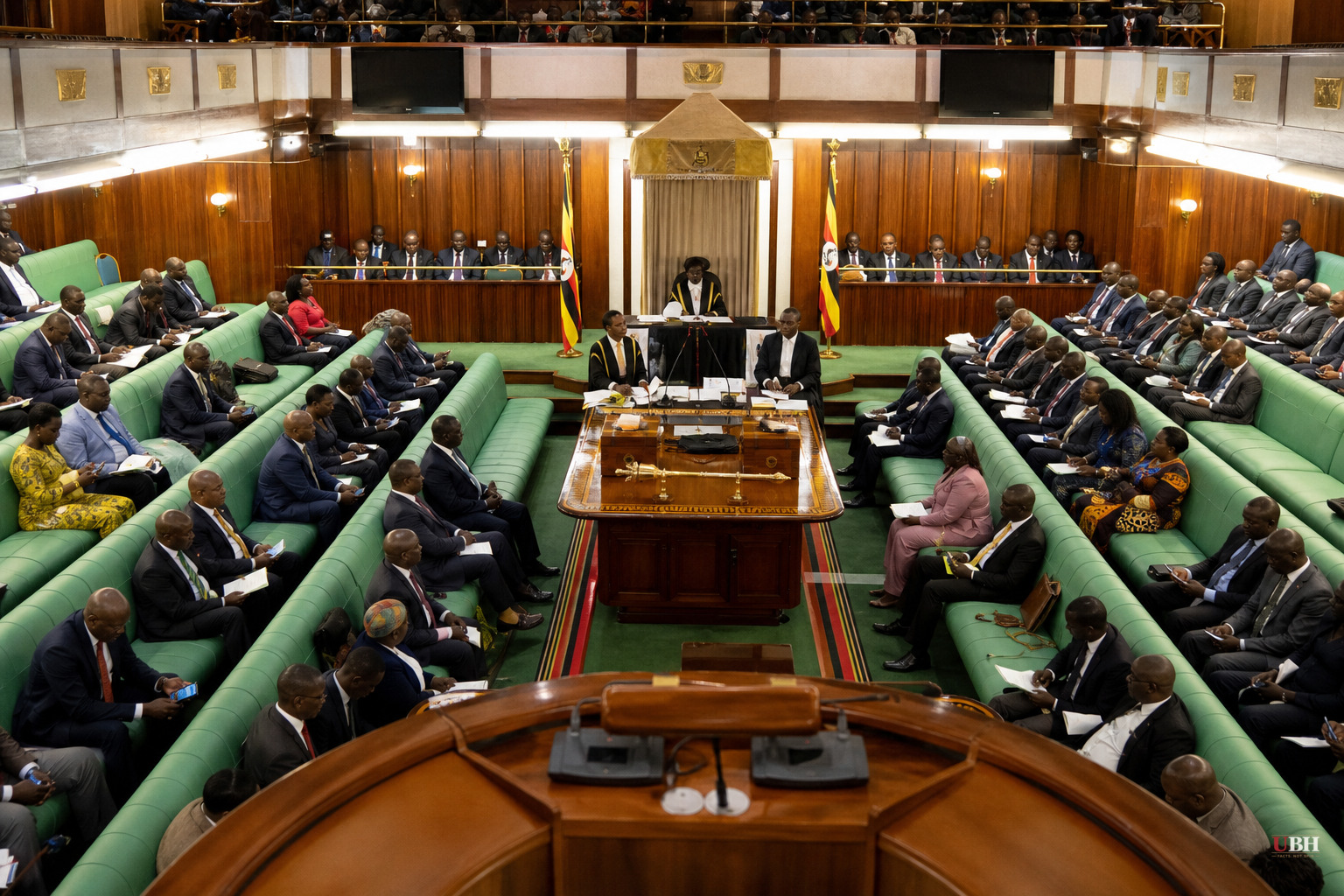
Uganda's parliament voted Thursday to authorize sending troops to Gaza, becoming one of the first countries to publicly commit to the International Stabilization Force laid out in President Trump's Gaza ceasefire plan.
Defense Minister Kiryowa Kiwanuka told lawmakers that Trump's emissaries approached Ugandan President Yoweri Museveni in July asking for a troop contribution, according to Reuters. Kiwanuka said Uganda is ready to deploy its People's Defense Forces contingent once the mission is actually established.
Reuters reported the deployment would happen "if it was needed" as part of the multinational force, and it's still "unclear when any such force will deploy." The civilian administration Trump's plan calls for, known as the National Committee for the Administration of Gaza, hasn't even set foot in the territory yet, according to Reuters.
Uganda's constitution requires parliamentary sign-off before troops deploy abroad, which is why Thursday's vote mattered. Kiwanuka told lawmakers a Status of Forces Agreement would still need to be negotiated and signed before anyone actually moves, according to both Reuters and Business Insider Africa.
Opposition lawmaker Hassan Kirumira raised a concern during the debate. Uganda joined the Organization of Islamic Cooperation back in 1974 under dictator Idi Amin, and it remains a member today despite being roughly 80% Christian, according to Breitbart.
Kirumira's question was blunt: "On which side is our army going to fight?" A country that belongs to an Islamic cooperation bloc taking sides in an Israeli-Palestinian conflict creates diplomatic exposure, and PBS reported that lawmakers flagged this explicitly as a concern before the vote. Whether that concern amounts to anything depends entirely on what the mission's actual rules of engagement look like once the Status of Forces Agreement gets written. Nobody's answered that yet.
Who Else Is In, and Who Isn't
Uganda joins a short list. Breitbart reported that only five countries had firmly committed troops before Uganda's vote: Indonesia, Morocco, Kazakhstan, Kosovo and Albania. Egypt and Jordan have offered to help train Palestinian police instead of sending combat troops.
Indonesian President Prabowo Subianto made the largest pledge on the table, offering up to 8,000 troops "if necessary," according to Breitbart. The force overall is supposed to reach 20,000 troops under a command structure led by American Maj. Gen. Jasper Jeffers, who said in May the mission would ensure "future prosperity and enduring peace," according to PBS.
Trump's Board of Peace announced its first concrete construction project last week: a base built on Israeli-controlled territory designed to house 150 ISF personnel, according to Breitbart. That's a small fraction of the eventual 20,000-troop target, underscoring how early this whole effort still is.
The Ceasefire Itself Is Still Shaky
PBS reported that Israeli attacks have killed 1,250 people in Gaza since the ceasefire deal took effect in October, even as the broader agreement calls for Israel to cease military operations and for Hamas to halt militant activity. A ceasefire that has coincided with over a thousand deaths raises questions about the term itself.
Israel has also raised objections to parts of the plan. PBS reported that after the text of the broader agreement was released, Israel said it had "serious security concerns" and shared them with the United States. Netanyahu has said Israel won't withdraw from Gaza until Hamas is fully disarmed, according to PBS.
Reuters noted the entire plan "has stalled," and the technocratic Palestinian administration meant to govern Gaza day-to-day remains outside the territory entirely.
What Happens Next
Uganda's vote is a parliamentary green light, not a deployment order. Troops don't move until the Status of Forces Agreement is finalized and the broader ISF actually stands up, which requires Israeli withdrawal to progress and Hamas disarmament to move forward first.
None of that has a firm timeline. The open question isn't whether Uganda is willing. It's whether the ceasefire holds together long enough, and Hamas disarms enough, for there to be a mission for Uganda's soldiers to actually join.
Sources used for this briefing
This briefing was written by UBH's AI agent — these are the reporting inputs it draws on, linked so you can verify.

