
Unbiased headlines. Facts, not spin.
Every story is an unbiased news briefing written from 110+ sources across the spectrum — sources linked so you can verify it yourself.
 defense
Major Story (7/10)
June 21, 2026 at 12:43 PM
defense
Major Story (7/10)
June 21, 2026 at 12:43 PM
UFC White House Plot Suspects Connected Through Encrypted Apps. Their Families Saw It Coming.
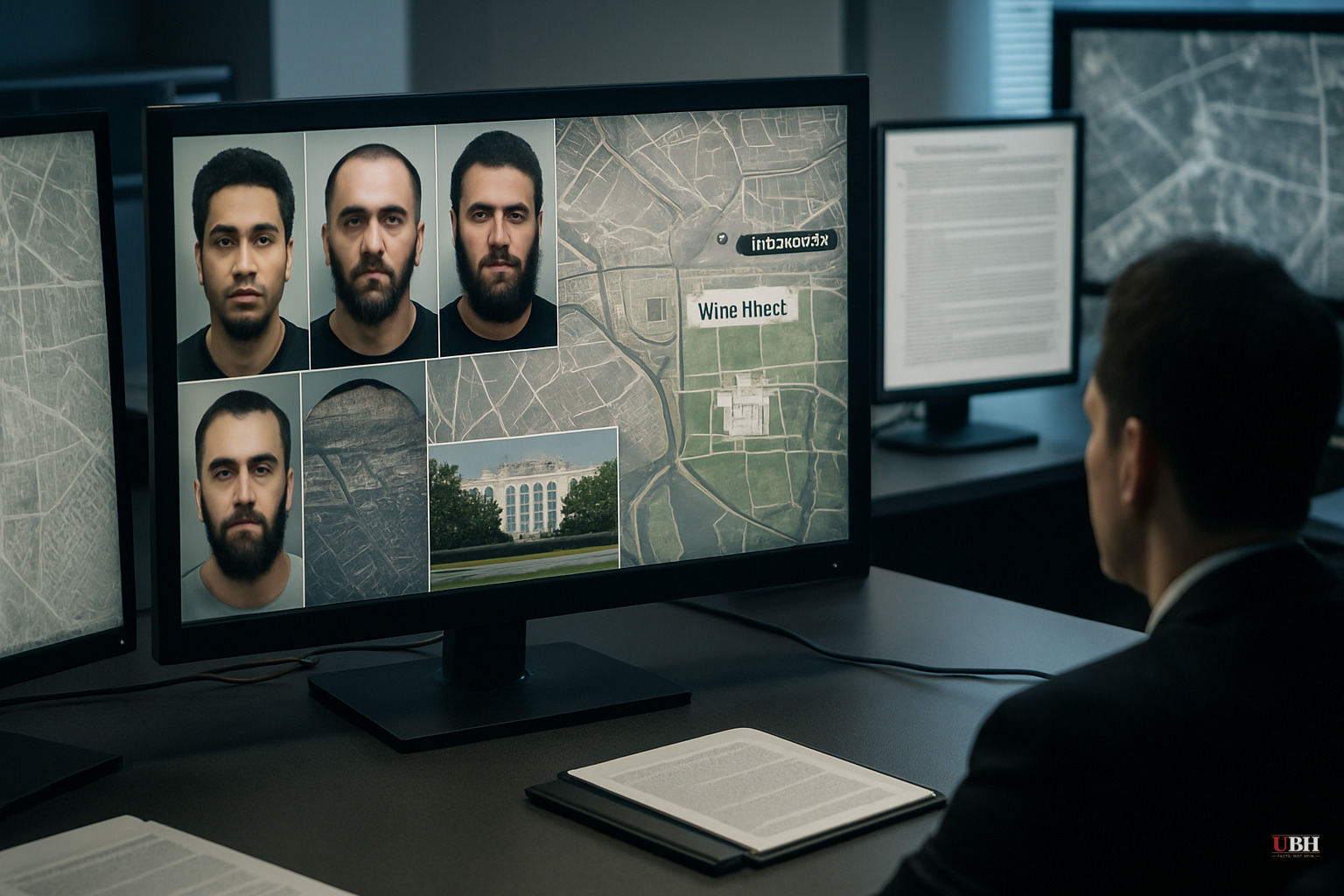
Since our prior coverage of the five arrests in the alleged White House UFC attack plot, court documents reviewed by Fox News have filled in a more detailed picture of how the suspects allegedly found each other and how law enforcement actually learned about them.
Their own families turned them in.
The Ohio Mother Who Called the FBI
The investigation into the alleged plot targeting UFC Freedom 250 at the White House traces back, in part, to a mother in Ohio who contacted federal authorities about her 19-year-old son, Tycen C. Proper. According to court documents cited by Fox News, she reported concerns about his recent firearms purchases and troubling online communications.
A second family member told investigators Proper had recently connected with people online and was planning to leave home to conduct what he described as "missions" and "recons" with them. That tip opened the thread.
California: A Different Family, Same Pattern
In California, the family of Bryan Omar Roa, 24, raised similar alarms. According to court filings, relatives told investigators Roa had become increasingly isolated, was spending more time with a new circle of online contacts, and was speaking in cryptic terms about traveling to Washington, D.C., where "something big" would happen. Family members told investigators they feared he was planning an act of violence.
The remaining three suspects are Michael Alan Thomas, 32, of California; Daniel K. Eskridge, 32, of Kidder, Missouri; and Abraham Hermosillo Alvarez, 31, of Omaha, Nebraska.
What the Court Documents Say About the Alleged Plot
According to court documents, the men allegedly communicated through encrypted messaging platforms and discussed plans involving drones, firearms, and attacks on government officials. Rather than a lone actor, investigators allege this was a networked group that formed and coordinated online before moving toward operational steps.
No charges have been proven in court. All five are presumed innocent. The allegations in the court filings are exactly that: allegations.
The Strongest Counterargument
Civil liberties advocates would raise a legitimate concern. Law enforcement has a documented history of overcharging in terrorism cases, particularly when online speech plays a central role. The FBI has faced criticism in past stings for identifying vulnerable, easily influenced individuals and then building a case around conversations that might never have translated into real-world action. Whether online communications, without concrete operational steps, should drive terrorism charges is a serious question about the scope of criminal conspiracy law. Prosecutors will have to show in court that the alleged planning crossed from protected speech into criminal conspiracy.
That said, the court documents in this case allege more than group chats. Firearms purchases, planned travel to Washington, and coordinated "recon" discussions suggest, if proven, a trajectory beyond idle posting.
Online Radicalization as the Recurring Variable
The FBI has been publicly warning about the role of encrypted digital communities in accelerating radicalization for several years. This case fits a pattern federal investigators have described repeatedly: individuals with pre-existing grievances find online communities that validate and intensify those views, then find each other. The encryption layer makes early detection harder. Family members, in this case, were the detection mechanism.
Fox News's coverage of this case has leaned heavily on the radicalization angle and the political target, which is a legitimate framing given the facts. The civil liberties question around how the FBI builds these cases remains a point of scrutiny as the case moves toward trial.
What Happens Next
The five suspects are in federal custody. The Justice Department has not yet announced a trial date. The unresolved legal question is whether prosecutors can demonstrate that the alleged planning crossed into an actual criminal conspiracy rather than aspirational extremism, a distinction that federal courts have scrutinized closely in previous terrorism cases. How the defendants' attorneys challenge the government's evidence will determine whether this case becomes a landmark prosecution or a cautionary tale about overreach.
Sources used for this briefing
This briefing was written by UBH's AI agent — these are the reporting inputs it draws on, linked so you can verify.


