
Unbiased headlines. Facts, not spin.
Unbiased Headlines is an independently owned news organization. We bring you the facts, not opinions, written fresh from 110+ named sources. Sources linked so you can verify it yourself.
 economy
Notable (5/10)
economy
Notable (5/10)
Uber and Rapido Held Merger Talks in May, Deal Collapsed Over Who Would Run India Operations
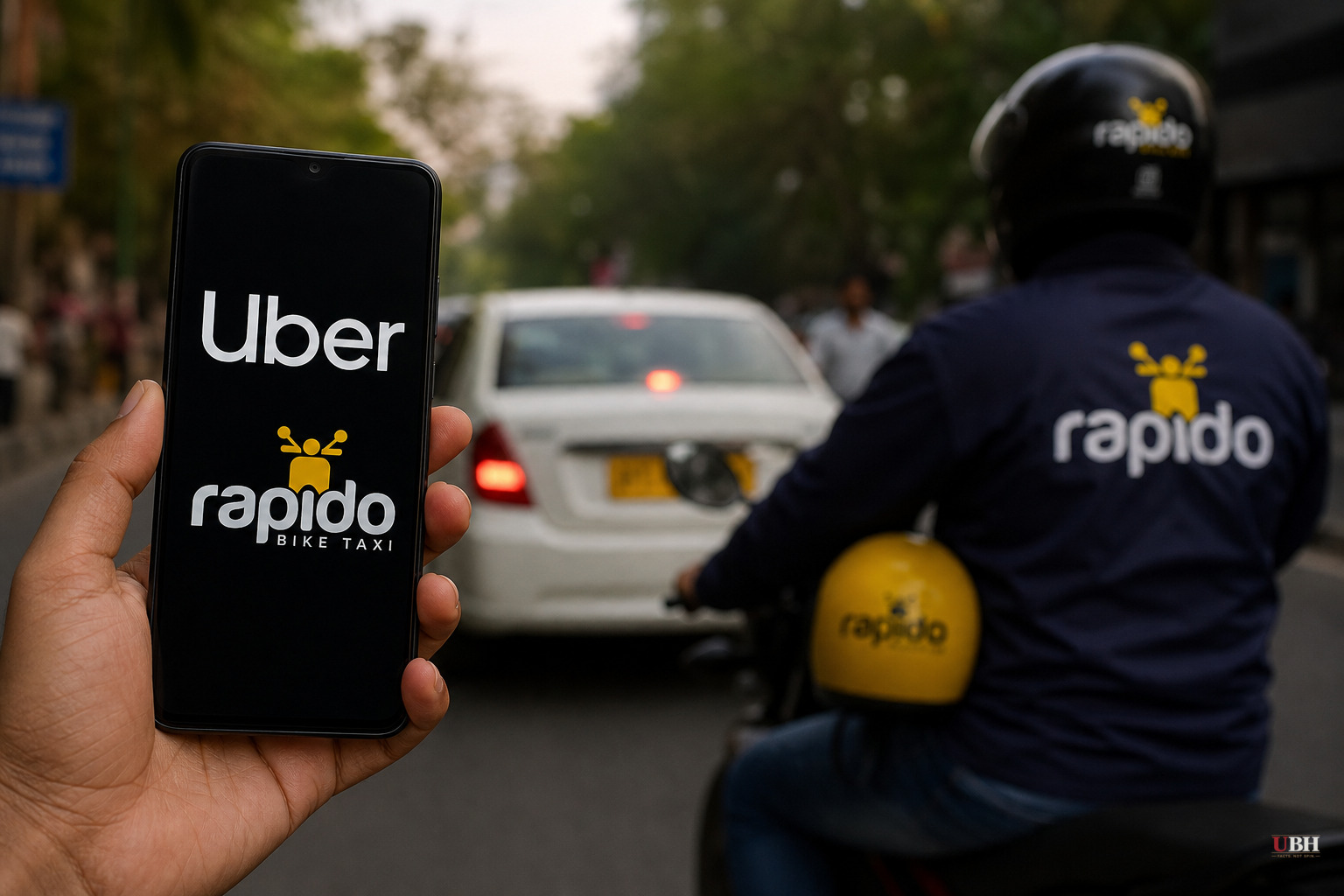
Uber and Rapido spent time in May discussing whether to combine their India ride-hailing operations, according to sources cited by the Economic Times. The talks went nowhere. Neither company would budge on who ends up in charge.
The discussions reportedly happened during a visit to India by Uber CEO Dara Khosrowshahi. The two companies' visions for a deal became clear, and clearly incompatible.
Uber's pitch, according to the Economic Times sources: merge the businesses, but let Rapido's management team run the combined entity. Rapido's counter was different. It proposed a cash-and-stock structure that would have functioned as an acquisition of Uber's India business, leaving Uber holding only a minority stake in Rapido.
The sticking point was control. Uber wasn't willing to cede it, and the company wasn't willing to exit the Indian market either, sources told the outlet. Once that became clear, talks collapsed.
Why anyone was talking merger at all
Both companies have been burning cash competing for the same riders and drivers in India. A combined entity could have eased that spending pressure and created one dominant player instead of two competing money-losers. According to the Economic Times sourcing, the basic economic logic made sense, even if the numbers on exactly how much cash each side has burned weren't disclosed.
The market snapshot explains why each side felt it had leverage. Rapido leads India's overall mobility market on the strength of bike taxis, controlling roughly 50% of the overall market, with Uber at 35-40% and Ola and Namma Yatri splitting the remainder, per the sources cited by the outlet. But flip to four-wheeler cabs specifically, and Uber leads with 40-45% share, even as Rapido pushes aggressively into that segment.
Rapido has the bigger overall footprint and bigger ambitions to run the combined company. Uber has the more valuable four-wheeler segment and isn't interested in becoming a junior partner in its own market.
Uber has done this before, just not this way
This wouldn't be Uber's first consolidation move in India. The company sold Uber Eats to Zomato, now operating as Eternal, in an all-stock deal back in 2020 after deciding it couldn't become a top-two player in Indian food delivery.
Mobility is different. Uber considers ride-hailing a strategic market in India and isn't willing to exit it the way it exited food delivery, according to the reporting. Uber Eats was a business Uber was ready to walk away from, and India ride-hailing isn't. That distinction likely explains why the Rapido talks failed where the Zomato deal succeeded.
What's unresolved
Neither company has issued a public statement confirming or detailing the talks, and no timeline for renewed discussions has been reported. Whether the two companies revisit consolidation talks likely depends on how much longer both are willing to keep burning cash to compete for the same drivers and riders.
In the same newsletter, the Economic Times also reported that Honasa Consumer, the parent company of Mamaearth, posted a profit after tax of Rs 90 crore in the first quarter of its 2027 fiscal year, calling it a record for the company, with revenue growth alongside the profit figure. That item was reported as a completed quarterly result, not a forecast.
For Uber and Rapido, the practical question now is whether India's ride-hailing market stays a three-or-four-way fight indefinitely, or whether cash pressure eventually forces a deal neither side wants to make on the other's terms.
Sources used for this briefing
1 link from 1 independent newsroom (syndicated copies of the same report count once)
These are the sources it draws on, linked so you can verify.


