
Original briefings. Zero spin.
Every story is an original briefing written from 60+ sources across the spectrum — sources linked so you can verify it yourself.
 economy
Major Story (7/10)
August 14, 2026 at 04:34 AM
economy
Major Story (7/10)
August 14, 2026 at 04:34 AM
Brazil Opens Formal Process to Retaliate Against U.S. Tariffs
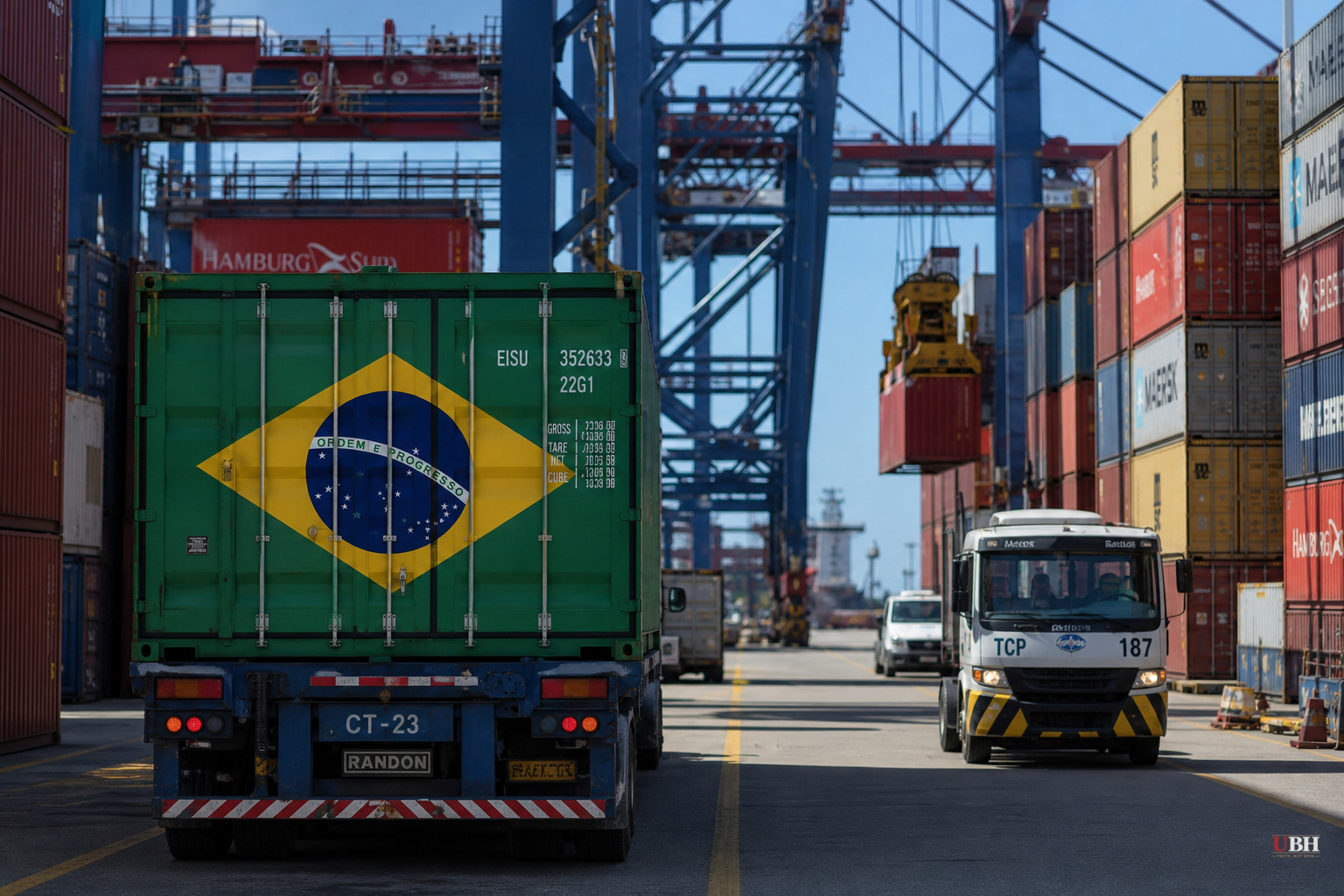
Brazil's government notified U.S. trade authorities on Thursday, August 13, that it's opening a formal reciprocity analysis in response to two rounds of American tariffs, according to Reuters. This is a procedural step, not retaliation itself. Brazil is requesting diplomatic consultations, which starts a clock before anything actually gets imposed.
In July, the Trump administration slapped a 25% surcharge on a range of Brazilian exports, including sugar, clothing, paper, and steel, citing unfair trade practices, according to Al Jazeera. Separately, the U.S. hit Brazil and 59 other countries with an additional 12.5% tariff tied to allegations of weak enforcement against forced labor, according to AgroLatam. Those broader forced-labor tariffs took effect Friday, August 14, covering trading partners well beyond Brazil.
Brazil isn't buying either justification. "The U.S. tariffs are unjustified and arbitrary, and Brazil will continue to defend its position in all appropriate forums," the Brazilian government said in Thursday's statement, according to Reuters. Brasilia has also said it will formally challenge the tariffs through the World Trade Organization's dispute settlement system, according to AgroLatam, and argues the forced-labor rationale is a legal fig leaf for straight-up protectionism.
President Luiz Inacio Lula da Silva has been threatening this move since July, when he first vowed to invoke Brazil's "Reciprocity Law." That statute lets Brazil retaliate well beyond matching tariffs dollar-for-dollar. Reuters reported that officials have been reviewing options including curbs on U.S. audiovisual companies and suspension of pharmaceutical and agricultural patents. Suspending patents on American drugs would be a direct shot at U.S. pharmaceutical companies operating in one of the largest markets in Latin America.
The numbers explain why Brazil has leverage to burn but not unlimited leverage. The U.S. runs a trade surplus with Brazil, exporting $26.5 billion worth of goods there so far in 2026 against $17 billion in imports, according to U.S. Census Bureau data cited by Al Jazeera. That surplus means American exporters, not just Brazilian ones, have skin in this game if Brazil starts restricting U.S. goods and services.
Newsquawk's analysis notes this is a "process headline rather than an imposed measure." Reciprocity procedures like this typically follow a legal analysis phase, notification, and a consultation request. Historically, most trade disputes resolve during consultations before tariffs actually snap into place. Brazil's goods trade with the U.S. is also narrower than America's disputes with bigger economies, meaning the real exposure sits in specific sectors like steel, coffee, and agricultural products rather than the broader economy.
Lula is keeping a door open despite the saber-rattling. He's said Brazil remains willing to negotiate with Washington, but warned the country will look elsewhere for export markets if U.S. access keeps shrinking, according to AgroLatam. That's a real signal: Brazil is Latin America's agricultural heavyweight, particularly in soybeans, and it has other buyers lined up if this drags on.
Monica de Bolle's analysis from the Peterson Institute for International Economics notes that Mercosur, the South American trade bloc including Brazil, Argentina, Paraguay, and Uruguay, is being strained not just by U.S. tariffs but by the Trump administration's broader involvement in regional politics. De Bolle points to friction between Lula and Argentine President Javier Milei, worsened by Milei's public support for Bolsonaro-aligned opposition figures in Brazil. That bloc-level instability matters because Mercosur's collective bargaining power is what gives member countries leverage to negotiate trade deals with anyone, including a retaliating U.S.
The July 25% surcharge and the broader forced-labor levy are widely seen as replacements for the "Liberation Day" tariffs Trump rolled out in April 2025, which U.S. courts later struck down, according to Al Jazeera. This round is designed to survive legal challenges the first round didn't.
What happens next depends on whether Washington agrees to the consultations Brazil requested, and what specific product list Brazil eventually puts on the table if talks stall. No retaliatory tariffs, patent suspensions, or import restrictions have actually been imposed by Brazil yet. Whether Lula follows through with the more aggressive options, like suspending U.S. pharmaceutical patents, or settles for a narrower tariff response remains an open question with real stakes for American exporters and Brazilian consumers alike.
Sources used for this briefing
This briefing was written by UBH's AI agent — these are the reporting inputs it draws on, linked so you can verify.

