
Unbiased headlines. Facts, not spin.
Unbiased Headlines is an independently owned news organization. We bring you the facts, not opinions, written fresh from 110+ named sources. Sources linked so you can verify it yourself.
 economy
Notable (6/10)
Tyson to Fully Reopen Second Shift at Amarillo Beef Plant, Plans Direct Partnership With Allied Beef Ranchers
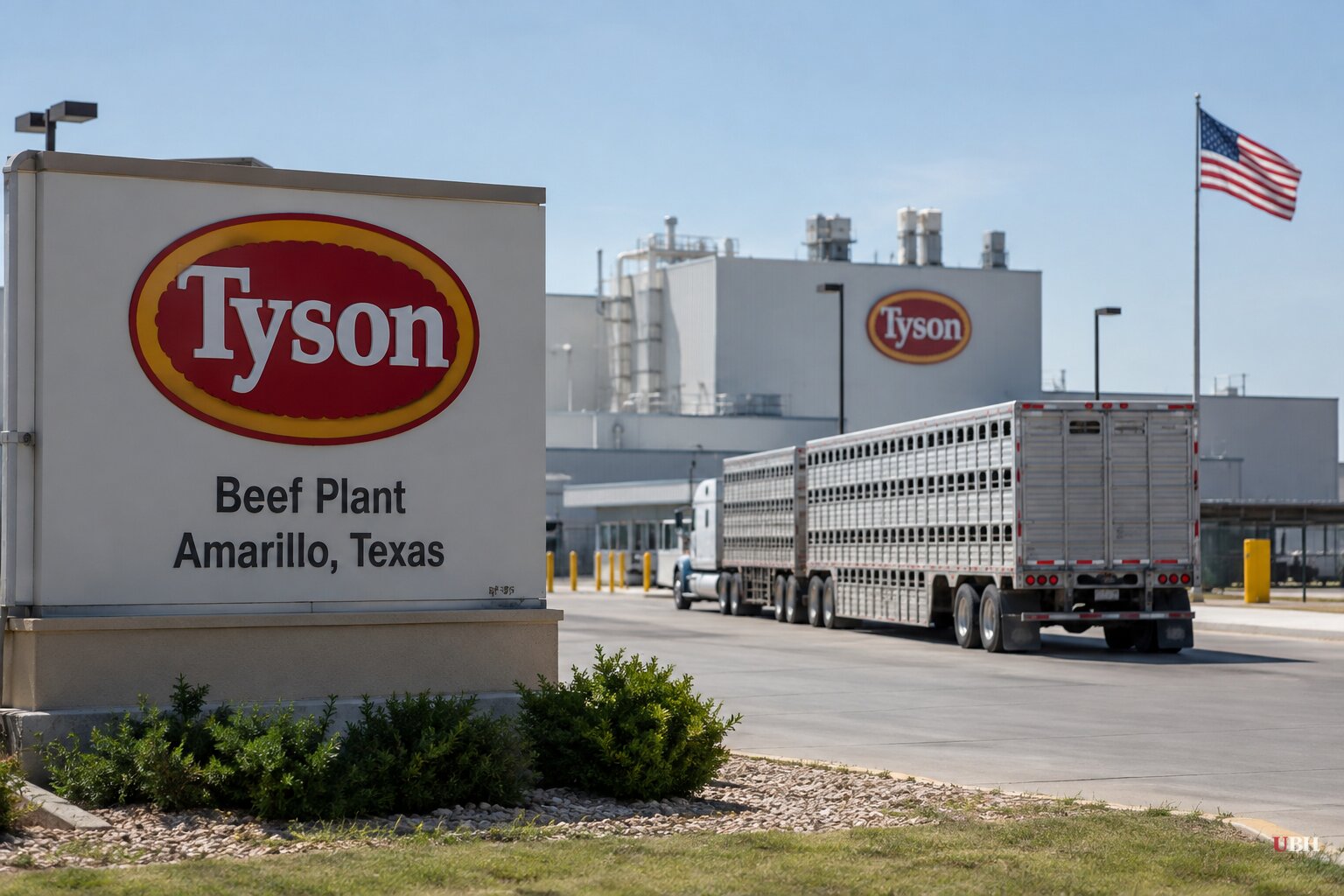
Tyson Foods said today, Nov. 9, that it will bring back the second production shift at its Amarillo, Texas, beef plant. The company says the shift should be fully operational by summer 2027.
Tyson tied the move to a planned long-term partnership with Allied Beef Co., which it describes as a consortium of American ranchers. The company has already started restoring select second-shift operations.
Tyson announced its intent to establish the partnership. It is not a signed deal with published terms.
What Tyson and Allied Beef are saying
Tyson says the arrangement would create a direct link between the company and ranchers and a "more economically sustainable model across the supply chain."
"The future of our beef business depends on strong partnerships across the supply chain," said Wes Morris, Tyson's chief operating officer. "We're proud to announce our intent to partner with Allied Beef and the American ranchers they represent while continuing to invest in facilities like Amarillo."
Allied Beef said the partnership offers long-term value for ranchers and new opportunities as beef production grows. A spokesperson said the group "works across all stages of cattle production, including both multigenerational ranch and feedlot operations."
Packers like Tyson typically buy cattle from feedlots, which in turn buy animals from other ranchers at auction. A direct relationship with a ranching group would shorten that chain.
Tyson says the Amarillo reopening "will increase production and create significant additional employment opportunities." It has not given a hiring number, a cattle volume, a dollar figure for the Allied Beef arrangement, or a date for finalizing the deal.
A year of cuts
The reversal follows a bruising stretch. Tyson cut Amarillo to a single shift in January, laying off 1,700 workers and trimming expected daily throughput by upwards of 2,500 head of cattle. It also closed its Lexington, Nebraska, beef plant this year.
In August, Tyson announced plans to close two beef facilities and pursue the sale of a third. It said it would consolidate beef around plants in Dakota City, Nebraska; Holcomb, Kansas; and Amarillo, and add a second shift at Amarillo "as cattle supply allows."
Less than a month after that announcement, the company cut its profit outlook.
CEO Donnie King pointed to U.S. Department of Agriculture data showing few signs that ranchers are rebuilding herds. He said that suggests supply constraints are likely to persist. Tyson projected an adjusted operating loss of $500 million to $650 million for its beef segment in fiscal 2026. The segment has lost money every quarter since early 2024.
The U.S. cattle herd has shrunk to its smallest in more than a century, driven by drought and high operating costs. Cattle prices have surged, squeezing packer margins. JBS and Cargill have also cut capacity.
Washington's role
Beef prices are a major piece of food inflation, and the Trump administration has made supply a priority. It has encouraged more foreign ground beef imports and resumed live cattle shipments from Mexico. Both moves have helped meatpackers.
The administration has also pushed investment toward smaller producers while criticizing the largest meatpackers over industry consolidation. A direct deal between the nation's largest meatpacker and a ranchers' group lands in the middle of that argument. Neither company has commented on how it fits.
Tyson's statement does not mention consumer prices. More beef coming out of one plant does not by itself lower what shoppers pay while the herd stays small and cattle costs stay high.
What to watch
The open questions are specific. How many cattle will Allied Beef supply, and on what pricing basis? How many of the 1,700 laid-off Amarillo workers get their jobs back? Does the partnership work if herd rebuilding stalls, as King's own comments about USDA data suggest it might?
Tyson is scheduled to report fourth-quarter earnings on Nov. 16. That report is the first chance for investors to hear the company put numbers on Amarillo, the Allied Beef deal and the fiscal 2026 beef loss.
Sources used for this briefing
6 links from 6 independent newsrooms (syndicated copies of the same report count once)
These are the sources it draws on, linked so you can verify.


